Currently Empty: $0.00

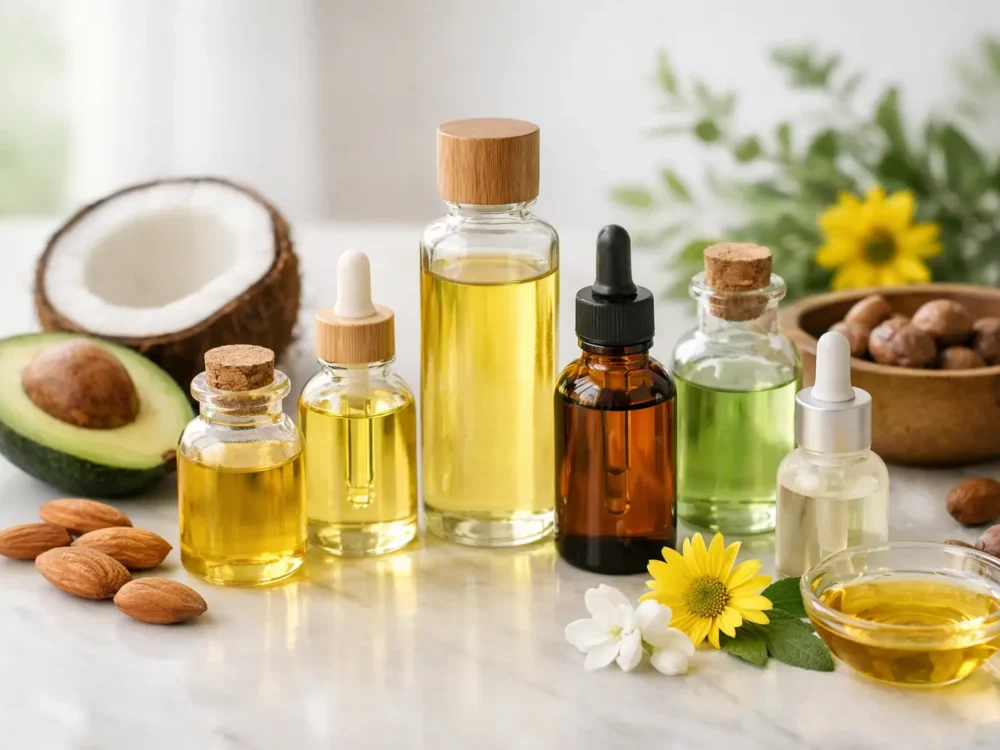
Some facial oils feel luxurious for about 10 minutes, then leave you shiny, irritated, or breaking out by lunch. That is usually not because oils are bad for skin. It is because the best natural oils for skin depend on your skin type, how the oil is processed, and how consistently you use it.
A good oil can help reduce moisture loss, soften rough patches, and support a healthier-looking skin barrier. The wrong one can feel heavy, sit on the surface, or trigger congestion if your skin already runs oily. That is why product selection matters more than hype.
How to choose the best natural oils for skin
Start with one simple question: what does your skin actually need right now? Dry skin usually needs richer, more occlusive oils that help seal in moisture. Sensitive or reactive skin often does better with gentler oils that are less fragrant and less likely to sting. Oily or acne-prone skin may prefer lightweight options that absorb faster and do not feel greasy.
Processing matters too. Cold-pressed, unrefined, and high-purity oils tend to appeal to shoppers who care about clean-label quality. But even a pure oil is not automatically right for every face or body. Texture, scent, and how your skin responds over time still matter.
The other factor people skip is routine fit. If an oil is messy, too thick, or hard to use daily, it usually ends up sitting in a cabinet. Convenience counts. The best choice is often the one you will actually apply consistently after cleansing or after a shower.
The 7 best natural oils for skin and what they do best
1. Jojoba oil for balanced, combination skin
Jojoba oil is often the safest place to start if you are new to face oils. It has a lightweight feel and absorbs well, which makes it a strong match for combination skin or skin that gets oily in the T-zone but dry around the cheeks.
It is commonly chosen because it feels more like a skin-conditioning oil than a thick coating. That matters if you want softness without the heavy finish. For many people, jojoba works well as a simple last step at night or mixed with a basic moisturizer.
The trade-off is that very dry skin may find it too light on its own. If your barrier is compromised or your skin flakes easily, jojoba may need to be paired with a richer cream.
2. Rosehip oil for dullness and uneven-looking skin
Rosehip oil is popular with people who want skin to look brighter and smoother without moving into a complicated routine. It has a relatively dry-touch finish compared with heavier oils, so it can suit normal to combination skin types.
Many users reach for rosehip when their skin looks tired, post-breakout marks linger, or their tone appears uneven. It is not an overnight fix, but it can fit well into a steady evening routine.
One note here: some formulas have a naturally earthy scent that not everyone loves. If you are highly sensitive, patch testing first is smart.
3. Coconut oil for very dry body skin
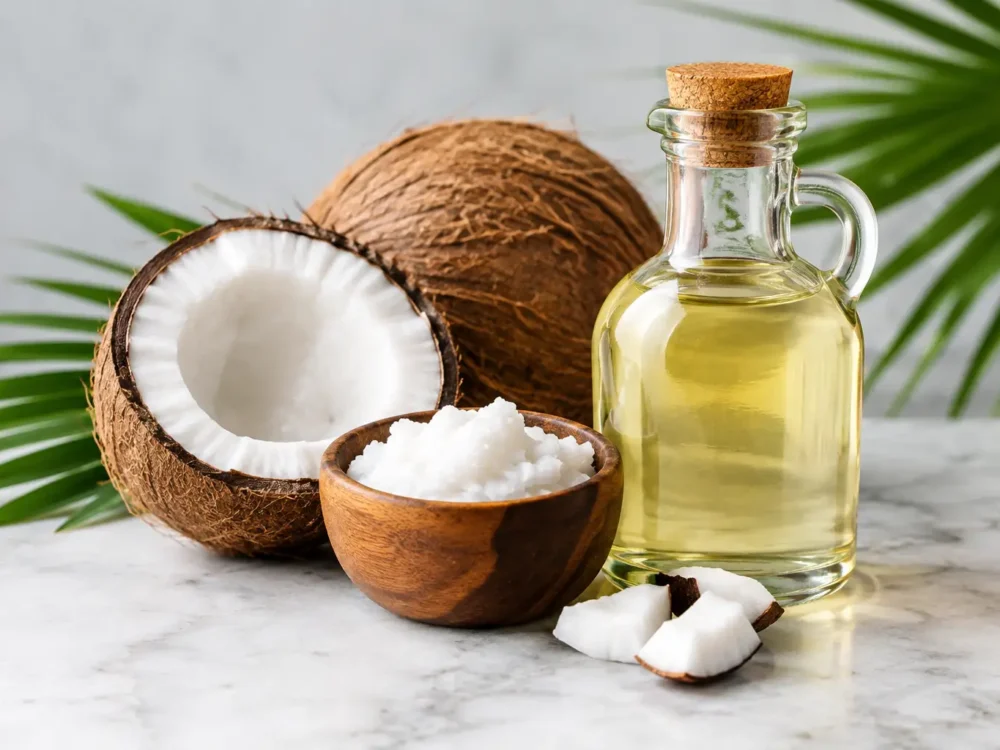
Extra virgin coconut oil is one of the most familiar natural oils, and for body care it can work extremely well. It is rich, softening, and especially useful on dry legs, elbows, knees, and rough areas that need more than a lightweight lotion.
Where people get mixed results is facial use. Coconut oil can feel amazing on very dry skin, but it is often too heavy for acne-prone or congestion-prone faces. So the better move is to think of it as a body-first oil unless you already know your facial skin tolerates it well.
If you like multi-use staples, this is one of the most practical oils to keep around. It fits a simple routine, and that matters for busy shoppers who want fewer products doing more.
4. Castor oil for dry patches and targeted use
Castor oil is thick. That is both its strength and its limitation. For very dry patches, cuticles, brows, or areas that need a heavier seal, it can be a strong option. It tends to feel more protective than elegant, which is why many people use it sparingly rather than all over the face.
If your skin is easily clogged, a full-face layer may be too much. But as a targeted treatment on flaky spots or as part of a nighttime routine for dry areas, it earns its place.
For shoppers who want clean, straightforward staples, organic castor oil has strong appeal because it is versatile and easy to understand. You know exactly what it is there to do.
5. Argan oil for everyday hydration
Argan oil sits in the sweet spot between nourishing and wearable. It is richer than jojoba but usually less heavy than castor or coconut oil, which makes it a strong everyday option for normal, dry, or mature-looking skin.
This is the kind of oil that works well if you want your skin to feel softer and look smoother without a high-shine finish. It layers nicely over serums and under a cream if needed.
The main downside is value. High-quality argan oil can cost more than simpler oils, so it is worth checking that you are getting a pure product rather than a heavily fragranced blend.
6. Black seed oil for stressed, problem-prone skin
Black seed oil stands out because it is often chosen by people who want more than basic moisturization. It is known for its rich composition and has a long history in traditional wellness routines. On skin, it is usually used in small amounts or blended because the texture and scent can be more intense than lighter cosmetic oils.
For problem-prone skin, the appeal is that it feels active rather than just emollient. Still, more is not always better. If your skin is sensitive, start slowly and patch test first, especially on the face.
For shoppers who already value remedy-forward staples, this oil fits naturally into a streamlined routine. Sterling Nutrition carries black seed oil and other clean-label essentials at https://sterlingnutrition.sg for customers who want purity cues and easy daily use.
7. Moringa oil for dry, mature-looking skin
Moringa oil has a richer, cushiony feel that makes it especially appealing for dry or mature-looking skin. It helps skin feel supple and can work well as part of a nighttime routine when you want lasting comfort instead of a quick hit of hydration.
Because it is more substantial, it may be too much for very oily skin in hot, humid weather. But for dry environments, over-air-conditioned offices, or skin that feels tight by evening, it can be a strong pick.
This is also a good example of why skin oils are not one-size-fits-all. The same texture that feels restorative to one person can feel excessive to another.
How to match natural oils to your skin type
If your skin is dry, start with coconut, argan, or moringa oil. These tend to provide a more comforting finish and help reduce that tight, stripped feeling after cleansing. If your skin is oily or combination, jojoba and rosehip are usually easier entry points because they feel lighter.
If your skin is sensitive, simpler is better. Choose one single-ingredient oil, avoid added fragrance, and patch test near the jawline before applying it widely. If your skin is acne-prone, go carefully with heavier oils like coconut and castor, especially on the face.
Climate matters too. In humid weather, richer oils can feel overly occlusive. In drier indoor settings with constant air conditioning, the same oils may feel exactly right.
How to use skin oils without feeling greasy
Application makes a big difference. Most people use too much. Two to three drops are often enough for the face, while body use depends on the area. Apply oil to slightly damp skin or after moisturizer if your goal is to lock hydration in.
Night is usually the easiest time to start because you are not layering sunscreen and makeup over it. If you want to use oil in the morning, go lighter and give it a minute to absorb before moving on.
Consistency beats excess. A small amount used daily will usually give better results than a thick layer once in a while.
What to look for before you buy
Look for oils that are clearly labeled, ideally single-ingredient, and packaged in a way that protects quality. Dark glass bottles can help with light-sensitive oils. Organic and cold-pressed claims may matter to you if clean sourcing is part of your buying decision.
This is also where convenience and trust come in. Busy consumers do not want to decode vague labels or wonder what is really inside the bottle. Straightforward ingredient lists, purity signals, and a retailer that educates instead of overcomplicates the choice all help reduce that friction.
The best oil is rarely the trendiest one. It is the one that fits your skin, your climate, and your routine well enough that you keep reaching for it. Start simple, pay attention to texture and tolerance, and let your skin tell you when you have found the right match.