Currently Empty: $0.00

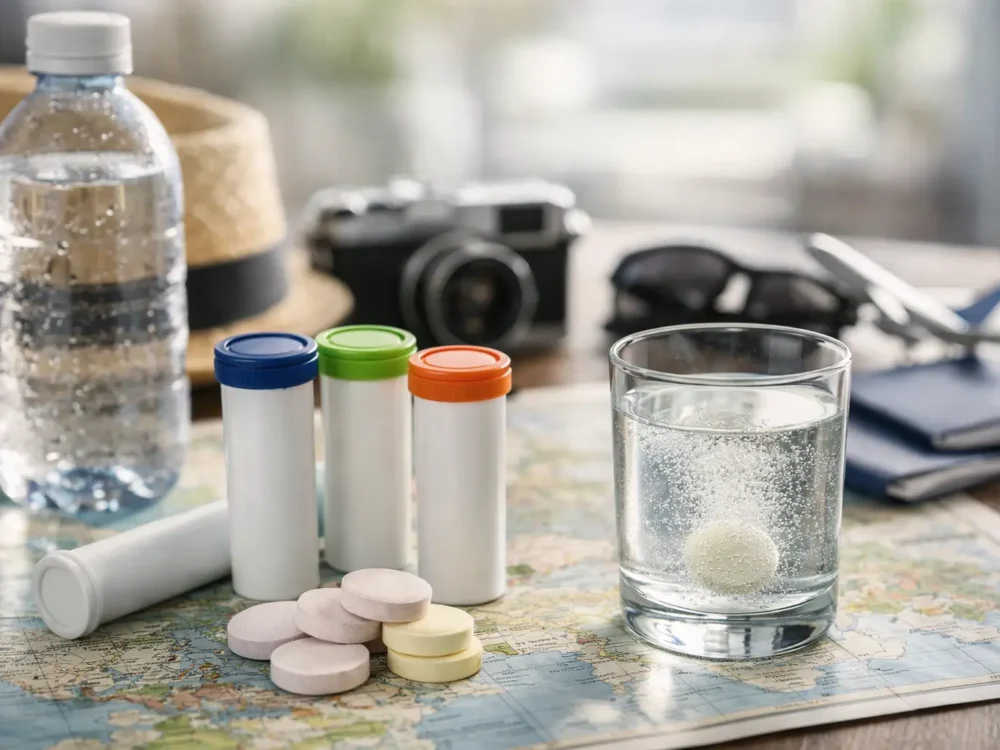
Miss one bottle of water on a long-haul flight, add airport coffee, dry cabin air, and a sweaty walk to your hotel, and you feel it fast. That is exactly why the best electrolyte tablets for travel have become a smart carry-on staple for frequent flyers, busy professionals, and anyone who wants hydration support without hauling bulky drinks through security.
Travel hydration sounds simple until real life gets involved. You may be crossing time zones, eating saltier food than usual, walking more than expected, or spending hours in air-conditioned airports and hotels. Plain water still matters, but it does not always feel sufficient when your routine is off. A well-formulated electrolyte tablet can make hydration easier, more portable, and more consistent.
What makes the best electrolyte tablets for travel?
The best option is not automatically the strongest formula or the one with the most ingredients on the label. For travel, convenience matters just as much as the nutrient profile. You want something compact, easy to pack, simple to use in a hotel room or airport lounge, and pleasant enough that you will actually drink it.
Start with sodium. This is usually the main electrolyte lost through sweat, and it plays a central role in fluid balance. If you are traveling to a hot climate, walking all day, or taking part in outdoor activities, sodium content deserves extra attention. Potassium and magnesium can also be useful, especially if you want a more balanced hydration formula, but they should support the formula rather than distract from the main job.
Taste is more important than many people admit. If a tablet tastes overly salty, overly sweet, or artificially flavored, it often ends up unused at the bottom of a bag. Effervescent tablets tend to do well here because they are easy to drink and can make hydration feel more appealing, especially when plain water gets boring.
Then there is sugar. This is where it depends on the traveler. Some people want little to no sugar for everyday use, especially on flights or work trips when activity levels are low. Others may prefer a formula with a small amount of carbohydrate if they are dealing with long walking days, hiking, heat, or sports. Neither choice is universally better. It depends on your travel style.
Best electrolyte tablets for travel by traveler type
If you are flying often for work, look for a tablet that is light, low-mess, and easy to take once you clear security. Effervescent formats work especially well because they turn an ordinary bottle of water into something you are more likely to finish between meetings or during a long connection.
If your travel is more active, such as beach holidays, city walking, trekking, or theme parks, a higher-sodium option may make more sense. You are likely losing more fluid and minerals, so a basic flavored tablet with minimal sodium may not feel like enough.
If you have a sensitive stomach, avoid formulas loaded with sugar alcohols, very high magnesium, or a long list of extras. Travel already changes digestion for many people. A cleaner, simpler formula is often the safer play.
If you are trying to keep your wellness routine clean and consistent, tablets with vegan, non-GMO, and natural ingredient positioning may fit better with the rest of your supplement stack. This matters less for performance on a single day, but it matters more if you use them regularly throughout a trip.
7 features to look for before you buy
1. Portable tube or sleeve packaging
Travel products should earn space in your bag. Tablets in a compact tube are usually easier to manage than large tubs or single-serve powders that can tear or spill.
2. Meaningful sodium content
Many travel hydration products market themselves well but underdeliver on actual electrolyte support. If the sodium is very low, the formula may be better described as flavored water support than a true rehydration option.
3. Balanced formula, not label overload
More is not always better. B vitamins, adaptogens, caffeine, and botanical add-ons can sound appealing, but a travel electrolyte tablet should first do hydration well.
4. Taste you will use daily
A good formula on paper is still a bad purchase if you hate drinking it. Citrus, berry, and mild tropical flavors tend to be the safest choices for repeated use.
5. Low sugar or purpose-driven sugar
If sugar is included, it should make sense for the use case. For active travel, a little can be useful. For routine flights or desk-heavy business trips, many people prefer low-sugar options.
6. Clean-label cues
For wellness-focused shoppers, quality markers matter. Vegan, cruelty-free, non-GMO, and natural ingredient positioning can help narrow the field quickly.
7. Fast-dissolving format
This seems minor until you are standing in an airport trying to mix a drink before boarding. Tablets that dissolve quickly and cleanly are simply easier to live with.
When to use electrolyte tablets while traveling
The obvious time is after sweating, but travel creates a few less obvious moments when electrolytes can help. Flights are one of them. Cabin air is dry, many travelers drink less water than normal, and coffee or alcohol can make things worse. Taking a tablet after boarding or when you land can be a practical reset.
They can also be helpful first thing in the morning, especially after a poor night of sleep, a hot climate, or a day packed with walking. Many travelers wait until they already feel drained. A more effective approach is using them proactively when you know the day will be demanding.
Another smart moment is after gastrointestinal upset. If travel changes your digestion or you are recovering from a stomach bug, restoring fluids and electrolytes becomes more important than usual. In that scenario, gentler formulas can be the better choice.
Common mistakes people make
One mistake is assuming all electrolyte tablets are basically the same. They are not. Some are designed for athletes, some for general wellness, and some are more like flavored vitamin tablets with minimal electrolyte value. Reading the label matters.
Another mistake is overusing them. More is not automatically better, especially if you are sedentary, eating normally, and not losing much fluid. Electrolytes should support hydration, not replace common sense around overall fluid intake.
A third mistake is forgetting compatibility with your travel routine. If a tablet needs a large bottle to taste right, but you usually buy small bottles on the go, it may be inconvenient. If a flavor is too strong, you may stop using it halfway through the trip.
How to choose the right formula for your trip
Think first about climate, activity, and trip length. A two-day business trip with indoor meetings calls for a different product than a week in tropical heat. For shorter, lower-activity travel, convenience and taste may be your top priorities. For active or hot-weather travel, sodium and overall electrolyte strength move higher on the list.
Next, think about your personal preferences. If you already avoid artificial sweeteners or prefer cleaner labels, do not ignore that just because you are shopping for a travel product. The best routine is the one you will stick with.
Finally, be realistic about format. Effervescent tablets are a strong fit for travel because they are easy to pack, easy to portion, and easier to enjoy than many hydration products. For shoppers who want modern convenience with clean-label cues, this format checks a lot of boxes. That is one reason wellness-first brands like Sterling Nutrition have leaned into practical, daily-use supplement formats that fit real routines instead of ideal ones.
A simple shortlist for buying the best electrolyte tablets for travel
If you want a quick decision filter, choose a tablet that travels easily, contains meaningful sodium, tastes good enough for repeat use, and matches your sugar preference and ingredient standards. That combination usually beats flashy branding or oversized claims.
For most travelers, the sweet spot is a clean, portable effervescent tablet with balanced electrolytes and a flavor you would actually want after a flight. If you are headed somewhere hot or plan to be active every day, lean toward stronger hydration support. If your trip is lighter and more work-focused, a lower-sugar, easy-drinking formula is often enough.
Hydration should not feel complicated when you are already juggling flights, hotel check-ins, and a packed itinerary. Pick a formula that fits in your bag, fits your routine, and makes it easier to drink what your body actually needs. That is usually the real difference between a product you pack once and one you never travel without again.