
Currently Empty: $0.00

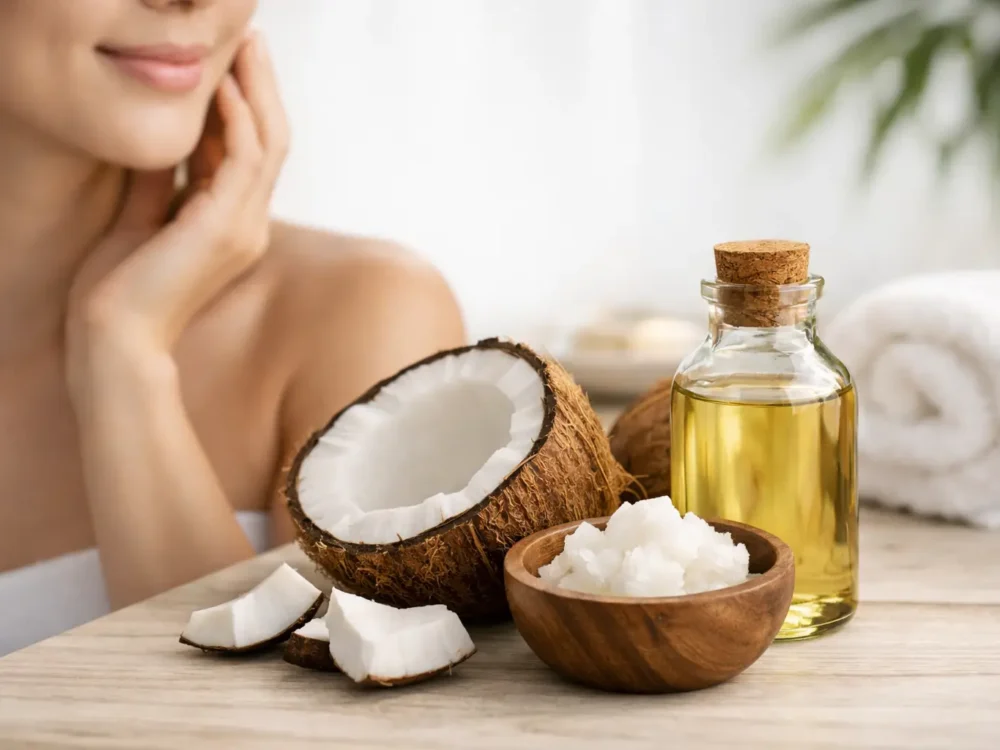
Dry skin usually does not need a 12-step routine. It needs less friction, better moisture retention, and ingredients that actually stay put. That is why coconut oil for dry skin keeps showing up in everyday routines – especially for people who want one simple product that works after the shower, on flaky elbows, or around rough knees and hands.
The real question is not whether coconut oil is popular. It is whether it is a smart fit for your skin. The short answer is yes, for many people, but not in every situation. Coconut oil can be excellent at sealing moisture into dry skin. It is less impressive as a cure-all, and for some skin types, especially acne-prone or very reactive skin, it can create problems if used the wrong way.
Why coconut oil for dry skin helps
Coconut oil works best as an occlusive. That means it sits on the skin and helps reduce water loss. If your skin feels tight after cleansing, looks ashy by midday, or gets rough in air conditioning, that moisture loss is often part of the problem. Applying oil over slightly damp skin can help slow that process down.
It is also rich in fatty acids, especially lauric acid, which contributes to its softening feel. On dry areas of the body, that can translate into smoother texture and less flaking fairly quickly. Many people notice the difference overnight on cracked-looking shins, dry feet, or hands that have been washed too often.
This is where expectations matter. Coconut oil does not add water to the skin. It helps hold on to the hydration that is already there. If you apply it to very dry skin with nothing underneath, it may feel better temporarily, but it works better when paired with water-based moisture from damp skin or a simple hydrating lotion.
Where it tends to work best
Body care is usually where coconut oil performs best. Arms, legs, elbows, knees, cuticles, and feet are all common dry zones that respond well to richer textures. If your skin barrier is feeling overworked from frequent showers, shaving, or dry indoor air, coconut oil can be a practical way to reduce that rough, stripped feeling.
It can also work well as an overnight treatment. A thin layer on damp skin before bed gives it time to sit without being rubbed off by clothing or constant hand washing. For people who want a low-effort routine, that kind of simplicity matters.
On the face, the answer is more mixed. Some people with dry, non-acne-prone skin love it as a final sealing step, especially on the cheeks or around the mouth. Others find it too heavy. If you are already dealing with clogged pores, frequent breakouts, or congestion around the jawline, coconut oil may not be the best choice for facial use.
How to use coconut oil without making dry skin worse
The biggest mistake is overapplying it. More is not better. A thick layer can leave skin greasy, stain fabrics, and feel uncomfortable in warm weather. Start with a small amount and warm it between your palms first so it spreads more evenly.
The best timing is right after bathing. Pat skin so it is no longer dripping, but still slightly damp. Then apply a thin layer to seal in that moisture. This works especially well after a lukewarm shower, which is generally kinder to dry skin than very hot water.
If you want more hydration, use it over a light moisturizer rather than in place of one. Think of coconut oil as the top layer that helps prevent water loss. That approach often gives better results than oil alone, particularly if your skin is very dry or seasonal dryness is hitting hard.
For targeted use, keep it simple. Massage a little into rough elbows, heels, or cuticles. Use it as a hand treatment before bed. Smooth a small amount onto dry patches that tend to flare up in colder months or after sun exposure. These are the routines where coconut oil usually earns its place.
Who should be careful
Not every dry skin issue is just dryness. Sometimes the skin is also sensitive, inflamed, or prone to eczema-like flare-ups. Coconut oil may still feel soothing for some people, but it is not automatically the best option for every compromised skin barrier.
If your skin stings when products touch it, gets red easily, or reacts to fragranced body care, patch testing is worth the extra minute. Even natural oils can trigger irritation in some people. Purity matters here. A clean, uncomplicated extra virgin coconut oil is generally the smarter pick than a heavily fragranced blend.
Acne-prone skin is the other major caution area. Coconut oil is quite rich, and while dry skin and acne can exist together, facial breakouts often do better with lighter barrier-supporting products. If you want to try it on the face, test it on one small area first and give it a week or two before making it part of your full routine.
If you have persistent cracking, bleeding, rash-like patches, or skin that does not improve with basic care, it may be time to think beyond home remedies. That kind of dryness can point to irritation, dermatitis, or another underlying issue that needs a more specific approach.
Coconut oil for dry skin versus lotion
This is not really an either-or decision. Lotion and coconut oil do different jobs. Lotion usually contains water plus humectants and emollients, so it helps hydrate and soften. Coconut oil mainly seals. If your skin is mildly dry, coconut oil alone may be enough. If it is very dry, dehydrated, or flaky from overcleansing, a lotion-oil combo often works better.
There is also a convenience factor. A single-ingredient oil appeals to people who want a clean-label product with multiple uses. That makes sense for busy routines. One jar can cover post-shower body care, dry hands, feet, and even hair ends. For shoppers who care about ingredient simplicity and daily usability, that versatility is a real benefit.
That said, convenience should not override fit. If your skin likes lighter textures or you live in a humid climate and hate anything heavy, a fast-absorbing cream may feel better for daytime. Coconut oil might then make more sense as a night treatment or spot treatment instead of an all-over daily layer.
What to look for in a good coconut oil
Quality changes the experience. For topical use, extra virgin coconut oil is usually the preferred option because it is less processed and retains more of its natural characteristics. Clean sourcing also matters. If you care about what goes on your skin, choosing an option with clear purity standards is the obvious move.
Look for a product that is straightforward – ideally organic, non-GMO, and free from unnecessary additives. That is especially relevant if you plan to use it regularly. With simple ingredients, there is less guesswork and a lower chance of extra irritants getting into the mix.
Sterling Nutrition’s extra virgin coconut oil fits naturally into this kind of routine because it supports the clean, everyday-use approach many shoppers actually want. No complicated system. Just a versatile staple you can keep in rotation for skin, hair, and more.
A simple routine that makes sense
If your goal is softer, less flaky skin, keep the routine practical. Use a gentle cleanser, avoid very hot showers, and apply coconut oil to damp skin where dryness shows up most. If needed, layer it over a basic moisturizer. Give it a week of consistent use before judging the results.
That steady routine matters more than chasing trendy ingredients. Dry skin usually improves when you reduce irritation and get serious about moisture retention. Coconut oil can absolutely help with that, especially on the body, but the best results come from using it in the right role.
If your skin has been feeling rough, tight, or uncomfortable, coconut oil is one of the simplest places to start – and sometimes simple is exactly what dry skin has been asking for.