
Currently Empty: $0.00

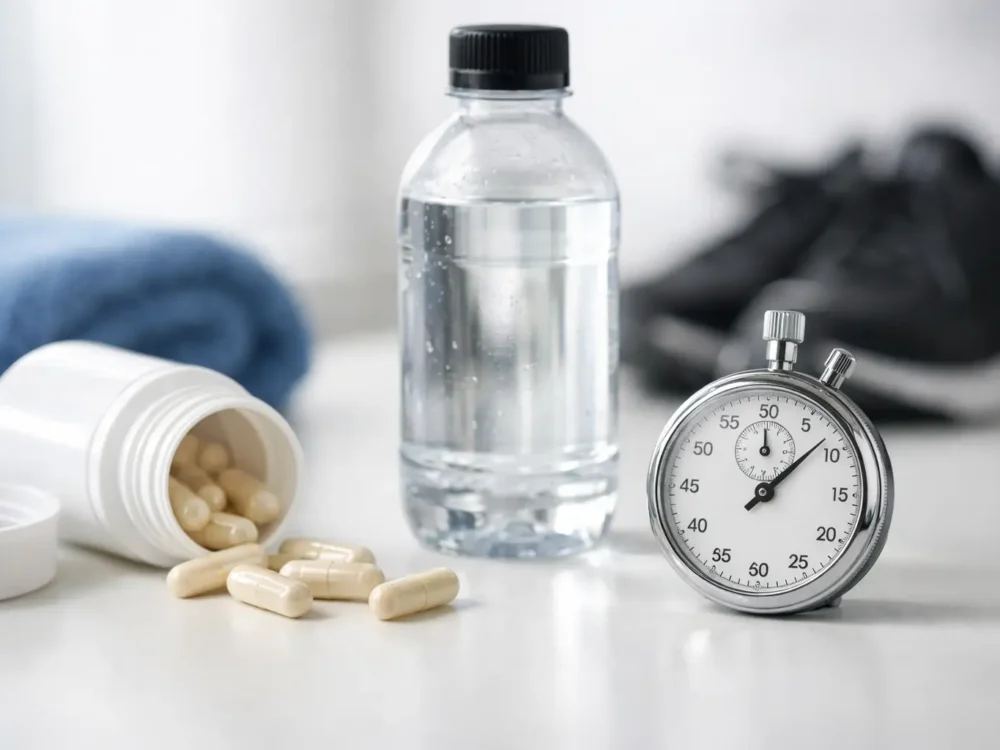
You feel it before you can always name it – the flat workout, the afternoon headache, the post-sweat fatigue that water alone does not seem to fix. A good guide to electrolyte capsule timing starts there, because timing matters almost as much as the formula itself. Take them too late and you may spend the session playing catch-up. Take them when you do not need them and you are just adding extra sodium and minerals without a clear payoff.
Why timing changes the result
Electrolyte capsules are built for convenience, but convenience does not mean random use. Sodium, potassium, magnesium, and chloride help regulate fluid balance, muscle function, and nerve signaling. When you sweat heavily, train in heat, fast for long hours, travel, or simply go through a demanding day, your needs can shift fast.
That is why the best timing depends on context. A desk-bound workday in air conditioning is different from a 10K run in humidity. A short gym session is different from a two-hour ride. If your goal is better hydration, steadier energy, and fewer cramps or headaches, the smart move is matching capsules to the moment rather than treating them like a generic daily extra.
Guide to electrolyte capsule timing for workouts
For exercise, the most effective window is usually before and during activity, not after symptoms show up. If you already know you are a salty sweater, train outdoors, or lose a lot of fluid quickly, taking an electrolyte capsule 30 to 60 minutes before your workout can make sense. That gives your body time to absorb the minerals while you are still in control, instead of reacting once performance starts slipping.
For moderate sessions under an hour, especially indoors, you may not need much more than normal hydration if you started the day well hydrated. This is where people often overdo electrolyte products. More is not automatically better, particularly for light activity with minimal sweat loss.
For longer workouts – think endurance runs, long gym sessions, cycling, hot yoga, or sports in Singapore-style heat and humidity – spacing capsules during the session can be useful. Instead of waiting until you feel weak or crampy, some people do better with a capsule at the start and another later in the session, paired with water. The exact interval depends on your sweat rate, workout length, and the strength of the formula.
After exercise, capsules can still help, but they work best as part of recovery rather than rescue. If you finished depleted, are still sweating, or need to train again later that day, a post-workout dose may support faster rehydration. If you ate a salty meal and feel fine, it may not be necessary.
Before a workout
This is the best time for many active adults. Preloading electrolytes can help you start better hydrated, especially for morning training when you have not had much food or fluid yet. It is also useful if you tend to get headaches during exercise, feel drained early, or train in hot conditions.
A practical approach is taking capsules with a full glass of water 30 to 60 minutes before you begin. If you train first thing in the morning, this simple habit is often easier than mixing powders or carrying sports drinks.
During a workout
During exercise, electrolyte capsules make the most sense when the session is long, sweaty, or both. Capsules can be a cleaner, lower-sugar option for people who do not want another flavored drink, but they should still be taken with enough water. Without fluid, the minerals are not going to help hydration the way you want.
If your workout is brief and you are not sweating much, skip the mid-session dose. Save it for the sessions where hydration is likely to become a limiting factor.
After a workout
Post-workout timing is less about performance and more about recovery. It can be helpful after heavy sweating, double-session training days, or physically demanding jobs. It can also be useful if you feel that familiar drained, foggy feeling after exercise.
Still, recovery is not just electrolytes. Water, protein, and a balanced meal matter too. Capsules are one piece of the routine, not the whole plan.
Daily use, fasting, and travel
Not every electrolyte routine is tied to workouts. Busy professionals often reach for capsules during long workdays, fasting periods, flights, or heat exposure. In those settings, the best timing is when dehydration risk is rising, not hours after it has already caught up with you.
During fasting, many people prefer electrolytes earlier in the day or around the point when energy and focus start to dip. This can be especially relevant if you are drinking coffee, spending time in air conditioning, or doing a light workout while fasted. The trade-off is that not every fasting style allows every supplement format, so your routine should match your goals.
For travel, think proactively. Flights, long commutes, hot weather, and disrupted meal patterns can all leave you feeling dry, sluggish, or headachy. Taking a capsule before a flight or early in the travel day, along with steady water intake, is often more useful than waiting until you land feeling wrecked.
On normal low-activity days, daily electrolyte use may or may not be necessary. If your diet already includes enough minerals and you are not sweating much, you may not notice a difference. If you eat very clean, train often, or tend to under-hydrate, a light routine may be worth testing.
Signs your timing may be off
Good timing should feel supportive, not dramatic. You are looking for steadier energy, better hydration, and fewer dips in performance or comfort. If you only remember electrolytes after the headache starts, after the cramp hits, or after your workout falls apart, your timing is probably too late.
On the other hand, taking capsules constantly without a clear reason may leave you wondering why you bought them in the first place. If there is no heavy sweat, no long workout, no fasting stress, and no travel strain, the benefit can be small.
Another clue is digestive comfort. Some people do better taking capsules with water and, in certain cases, with food. If you get stomach discomfort, the issue may not be the product itself. It may be the timing, the dose, or the fact that you took it too concentrated without enough fluid.
How to personalize your electrolyte capsule timing
The most useful guide to electrolyte capsule timing is one you can actually follow. Start by looking at your real hydration stress points. Are you dragging during morning workouts? Getting headaches in the office after coffee? Cramping on long runs? Feeling depleted after travel? Your best timing should match those patterns.
Then keep it simple for a week or two. Use capsules before the situations that usually cause problems and notice what changes. Energy during training, thirst, muscle function, and post-workout recovery are all practical markers.
It also helps to read the label closely. Different electrolyte capsules vary a lot in sodium and magnesium content. A lighter formula may fit daily use or shorter sessions, while a stronger one may be better for endurance training or extreme heat. If you ignore the serving size, timing becomes guesswork.
When to be more cautious
If you have kidney disease, high blood pressure, heart conditions, or take medications that affect fluid or mineral balance, do not treat electrolyte supplements casually. Timing is only part of the picture. The total amount matters too.
The same applies if you are already using multiple hydration products in one day. Capsules, sports drinks, and salty snacks can add up quickly. More input does not always mean better hydration.
The smartest routine is the one you will repeat
For most people, the sweet spot is straightforward: before sweat, during long or intense sessions, and after only when recovery demands it. Outside training, use electrolytes for fasts, flights, hot days, and high-output schedules where plain water may not be enough.
That is where modern convenience formats really earn their place. Capsules are easy to keep in your gym bag, work bag, or carry-on, which makes consistency more realistic. For shoppers who want clean, simple hydration support without turning it into a complicated regimen, that matters.
If you are building a routine that fits real life, not just best-case habits, start with timing. A clean, practical option from a brand like Sterling Nutrition can help make that routine easier to keep. The goal is not to take electrolytes at every opportunity. The goal is to take them when they actually help.