
Currently Empty: $0.00

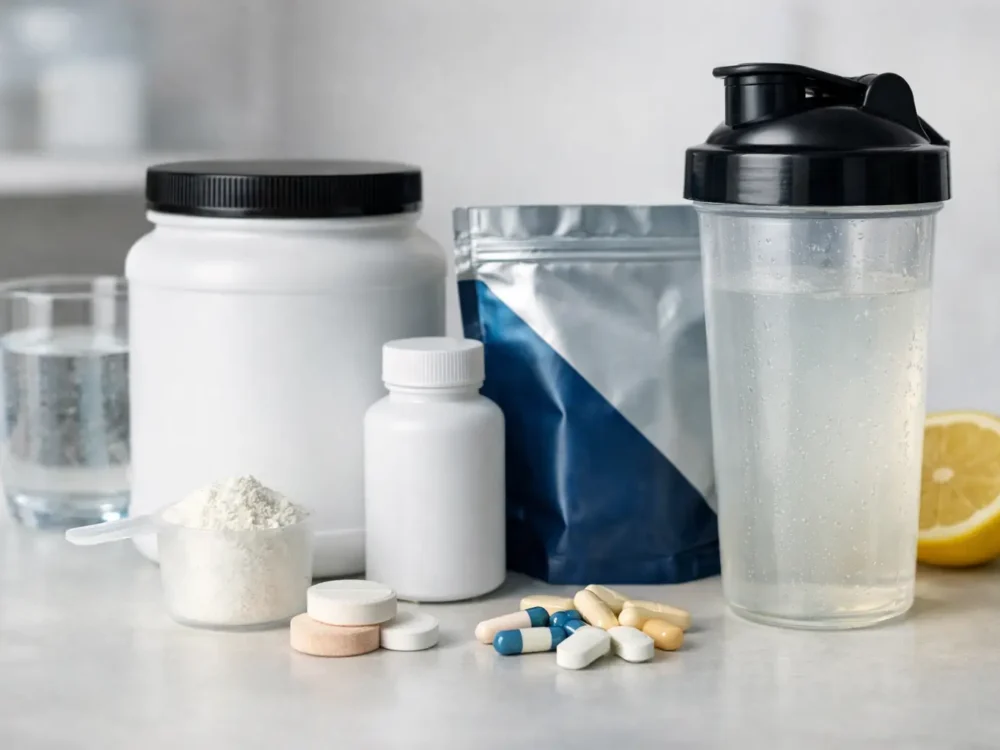
You do not need a chemistry degree to buy a hydration product, but some electrolyte labels can make it feel that way. A good guide to electrolyte supplement labels should help you spot what actually matters fast – how much sodium you get, what kind of sugar is included, how many servings are in the tube or bottle, and whether the clean-label claims are meaningful or just attractive packaging.
For most shoppers, the label tells you two things at once: how the product may perform and how easy it will be to fit into your routine. That matters whether you want hydration support for workouts, long workdays, travel, or simply a more convenient option than mixing powders from a giant tub. The smartest buy is not always the strongest formula on paper. It is the one that matches your sweat loss, taste preference, schedule, and ingredient standards.
How to read a guide to electrolyte supplement labels
Start with the Supplement Facts panel before you look at the front-of-pack claims. The front is where brands highlight words like hydration, performance, sugar-free, natural flavors, vegan, or non-GMO. Those details can be useful, but the Supplement Facts panel is where you see the actual formula.
Look first at serving size. This sounds basic, but it changes everything. One tablet, two capsules, or one scoop may equal a single serving, and some packages contain multiple servings. If the sodium number looks impressive, check whether that number is per serving or per two tablets. A label can seem strong until you realize you need double the suggested amount to reach the headline claim.
Next, check the electrolytes themselves. Sodium is usually the star because it is the electrolyte most closely tied to sweat loss. Potassium, magnesium, and calcium often appear alongside it, but the amounts vary widely. Some products are sodium-forward for intense exercise or heat exposure. Others keep sodium modest and lean into magnesium for more general daily use. Neither approach is automatically better. It depends on why you are taking it.
The ingredients that deserve the closest look
If you exercise hard, sweat heavily, or train outdoors, sodium is usually the first number to compare. Many casual shoppers focus on magnesium because it has a wellness halo, but for hydration support during and after sweating, sodium often does more of the heavy lifting. A product with very low sodium may still be fine for light daily use, but it may underdeliver for long runs, hot yoga, or outdoor work.
Potassium matters too, just usually in smaller amounts than people expect. It supports fluid balance and muscle function, but more is not always necessary. Some formulas add a modest amount because the main job is to complement sodium, not replace it.
Magnesium is where labels can get tricky. A formula may advertise magnesium for muscle support, but the form matters. Magnesium citrate, glycinate, oxide, and other forms differ in absorption and digestive tolerance. Labels do not always explain that. If you are sensitive, a gentler form may be worth prioritizing over a bigger number.
Calcium is often included in smaller quantities. It is not usually the deciding factor in an electrolyte product, but it can round out the formula. If a label barely includes it, that is not necessarily a flaw. It may simply reflect the product’s main use case.
Sugar, sweeteners, and what performance claims really mean
Sugar is one of the fastest ways to separate products by purpose. If a label includes sugar, that is not automatically bad. During longer or more intense exercise, some people benefit from a formula that includes carbohydrates for energy and faster absorption. For a quick hydration tablet during office hours, though, extra sugar may feel unnecessary.
A sugar-free formula can be a strong fit for daily use, travel, or anyone watching total sugar intake. Still, look at what replaced the sugar. Some products use stevia or monk fruit. Others use sugar alcohols or artificial sweeteners. Taste and tolerance vary a lot here. A clean label is not just about avoiding sugar. It is also about choosing a sweetening system you actually want to take consistently.
If the front says rapid hydration, performance blend, or endurance support, check whether the formula supports that positioning. A product marketed to athletes but containing very little sodium may be better described as a flavored wellness drink. On the other hand, a high-sodium formula with minimal sugar may be excellent for heavy sweaters but too intense for someone who just wants light daily support. The label should match the promise.
Watch the form: capsules, tablets, powders, and effervescents
The best format is usually the one you will use consistently. Capsules are simple, portable, and easy to keep in a gym bag or desk drawer. They work well for people who want hydration support without carrying flavored drink mixes. The trade-off is obvious: you do not get the same drinking experience as a dissolvable product, and some people prefer the ritual of sipping hydration instead of swallowing capsules.
Effervescent tablets are convenient and tend to feel more enjoyable, especially for people who struggle to drink enough plain water. They can also make a hydration routine feel easy instead of clinical. The trade-off is that flavor systems and added ingredients may matter more, so the ingredient list deserves a closer read.
Powders offer flexibility because you can often adjust strength and volume, but they can be messier and less travel-friendly. If convenience is a top priority, a clean capsule or tablet format may win even if the formula looks slightly simpler.
Clean-label claims: useful, but not a shortcut
This is where many shoppers make fast decisions. Vegan, cruelty-free, non-GMO, natural ingredients, and organic claims can absolutely matter, especially if they align with your broader wellness standards. But they should support the formula, not distract from it.
For example, a vegan electrolyte supplement with poor sodium content may not meet your workout needs. A non-GMO product with a practical, balanced formula may be a better buy than a flashy product making a dozen lifestyle claims with very little electrolyte support. The label should work on two levels: clean enough for your standards and effective enough for your routine.
Also check for unnecessary fillers, colors, or flavoring systems if you are aiming for a cleaner product. Some shoppers are fine with them. Others want a shorter ingredient list and a more straightforward formula. There is no universal right answer, but there should be transparency.
Red flags and green flags on electrolyte labels
One red flag is vague proprietary blends. If a brand tells you the total blend weight but not the actual amount of each electrolyte, comparison gets harder than it should be. Another is front-of-pack hype that does not line up with the Supplement Facts panel. If the product promises serious hydration support but gives you tiny electrolyte amounts, move on.
A green flag is clarity. You can quickly see the serving size, number of servings, exact electrolyte amounts, sweetener choice, and whether the formula fits exercise, travel, heat, or general wellness. Another strong sign is a product that makes realistic claims. Hydration support, convenient daily use, and clean ingredients are believable. Miracle language is not.
How to choose the right label for your routine
If your main goal is workout hydration, prioritize sodium first, then look at the supporting electrolytes and whether the format fits your training. If your goal is everyday support during busy workdays, a moderate formula in capsules or effervescent tablets may be easier to stick with. If you travel often, portability and serving simplicity matter just as much as the formula itself.
Price per serving is worth checking too. A lower sticker price can hide a weaker formula or fewer usable servings. A slightly higher-priced product may offer better value if the dose is practical and the ingredient quality is stronger. This is where brand trust matters. Sterling Nutrition, for example, builds around convenience formats and clean-label cues that make daily wellness routines easier to maintain, not harder to decode.
The smartest approach is simple: buy for your real use case, not your idealized one. If you are not training for a marathon, you probably do not need an extreme endurance formula. If you sweat heavily in Singapore-style heat or long gym sessions, a low-sodium lifestyle product may leave you underwhelmed.
A strong label should answer your questions before you ever click add to cart. When it does, hydration becomes less about marketing and more about fit – the right dose, the right format, and the right level of clean simplicity for everyday use. That is usually the product worth keeping on repeat.