Currently Empty: $0.00

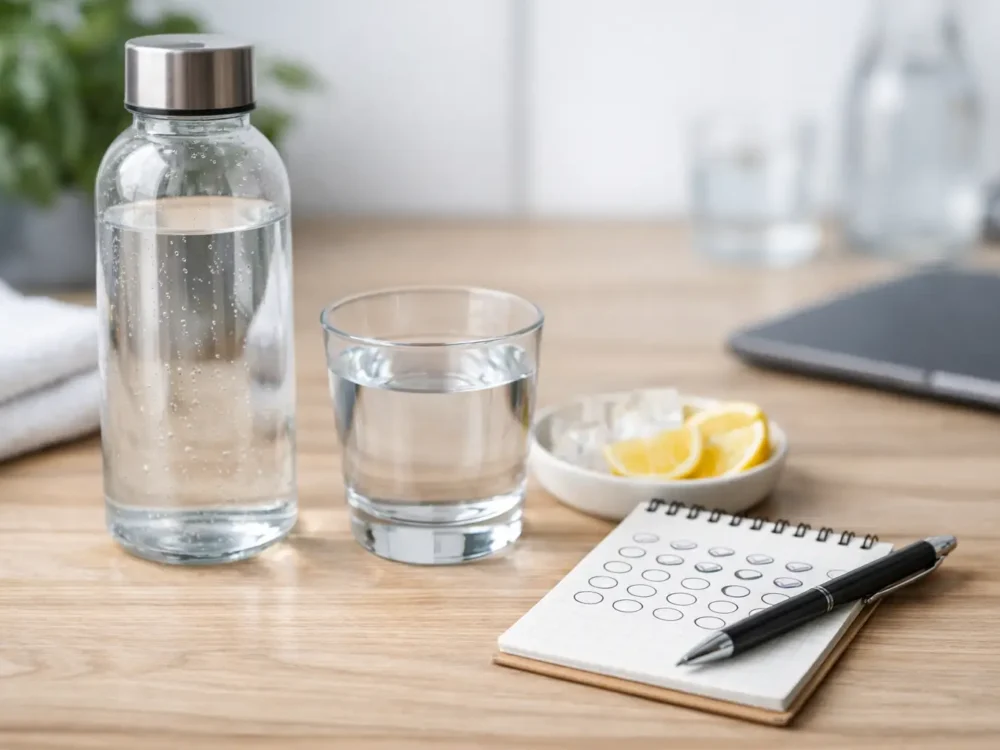
That midafternoon headache, dry mouth during a workout, or sudden fatigue on a long commute is often not a motivation problem. It is a routine problem. Learning how to build hydration habits means making fluids easy to remember before your body is already asking for them.
For busy professionals, active adults, and anyone balancing workouts with a full calendar, the goal is not to carry an oversized water bottle everywhere and force down water at night. The goal is a hydration rhythm that fits the way you already live.
Why hydration habits often fall apart
Most people do not struggle because they lack information. They know water matters. The gap comes from relying on thirst, willpower, or vague intentions such as “I should drink more.” Those plans disappear when meetings run late, travel changes your schedule, or a workout leaves you focused on getting home.
Thirst is useful, but it can lag behind your needs, especially when you are busy, exercising, or spending time in hot weather. By the time you notice it, you may already feel tired, foggy, or less focused than usual.
The other common mistake is making hydration feel all-or-nothing. Missing one refill does not mean the day is ruined. Consistent hydration is built through small repeatable actions, not a perfect daily total achieved at 10 p.m.
How to build hydration habits around your existing routine
The most effective cues are already part of your day. Rather than adding another task to your mental checklist, attach drinking water to habits you do without thinking.
Start with your first hour awake. Place a glass or filled bottle where you make coffee, prepare breakfast, or get ready for work. Drinking water soon after waking can create an easy first win before messages, errands, and deadlines compete for your attention.
Then build a few reliable checkpoints into the day. Have water with breakfast, refill before leaving home, drink alongside lunch, and take a few sips when you return from an errand or finish a meeting. If you train, make fluids part of the pre-workout and post-workout routine, just like changing shoes or packing a towel.
A simple way to organize this is to choose four anchors:
- After waking up
- With each main meal
- Before and after exercise
- When transitioning between work, home, or errands
These anchors work because they are specific. “Drink more water” requires a decision. “Drink while eating lunch” does not.
Keep water within reach, not just on your to-do list
Convenience has more influence than motivation. A bottle on your desk, in your car, or beside your workout bag makes hydration the default choice. A bottle stored in a cabinet does not.
Choose a bottle you genuinely enjoy using. Some people drink more from a straw lid, while others prefer a wide-mouth bottle or an insulated option that keeps water cold. There is no best bottle, only the one you will refill and carry consistently.
If plain water feels boring, change the experience without turning every drink into a high-sugar beverage. Chill it, add citrus or cucumber, use sparkling water occasionally, or rotate in an unsweetened flavored option. Taste can make a meaningful difference when you are trying to turn a short-term effort into a lasting routine.
Set a target that fits your body and day
You will often see one universal number recommended for daily water intake. It can be a useful starting point, but it is not a personal prescription. Your needs depend on body size, activity level, climate, food intake, medications, pregnancy status, and health conditions.
A practical approach is to begin with regular intake across the day, then observe patterns. Are you frequently thirsty? Does your urine tend to be dark yellow? Do you feel unusually drained during training or after time outdoors? Those may be signs that your fluid routine needs attention.
Pale yellow urine is often a reasonable sign of hydration for many healthy adults, but it is not a scorecard to obsess over. Completely clear urine all day can also mean you are drinking more than you need. The aim is steady, adequate intake, not constant drinking.
People with kidney, heart, liver, or endocrine conditions may need specific fluid guidance from a clinician. The same is true for anyone taking medications that affect fluid balance. More water is not automatically better in every situation.
Know when electrolytes make sense
Water is the foundation, but some days call for more than water alone. Electrolytes are minerals, including sodium and potassium, that help support fluid balance, nerve signaling, and muscle function. You lose them through sweat, so they can be particularly useful during prolonged exercise, hot and humid conditions, or physically demanding work.
An electrolyte drink, capsule, or effervescent tablet may be a practical option if you are training intensely for over an hour, sweating heavily, recovering from significant fluid loss, or struggling to drink enough because you want more flavor. Convenient formats can be especially helpful in a gym bag, office drawer, or travel kit.
That said, electrolytes are not required for every short walk or casual workout. Many products contain sodium, sweeteners, or added ingredients that may not suit everyone. Check the label and choose a format that supports your needs without turning hydration into an unnecessarily complicated supplement stack.
For everyday use, clean-label electrolyte effervescent tablets can offer a simple middle ground: portable, easy to use, and more enjoyable than plain water for people who need variety. If you manage high blood pressure, kidney concerns, or sodium restrictions, ask a healthcare professional which option is appropriate first.
Use your workout as a hydration checkpoint
Exercise is where inconsistent hydration becomes more noticeable. Starting a workout already underhydrated can make effort feel harder and may affect comfort, focus, and performance.
You do not need to chug a large amount right before training. Instead, drink regularly in the hours leading up to your session, take sips during longer or sweat-heavy workouts, and rehydrate afterward. If you finish with a soaked shirt, salt on your skin, or an unusually depleted feeling, that is useful feedback for your next session.
For endurance sessions, outdoor training, or two-a-day workouts, planning ahead matters. Bring enough fluid, know where refills are available, and consider electrolytes when heat and sweat losses are high. For a shorter low-intensity session, water is often enough.
Make travel and busy days easier
Hydration routines are most fragile when your environment changes. Flights, long drives, conferences, packed schedules, and restaurant meals can all disrupt your usual cues.
Prepare before the disruption begins. Fill your bottle before leaving, pack an electrolyte option you will actually use, and make water your first beverage choice when you sit down for a meal. If caffeine is part of your routine, you do not have to avoid it, but pairing coffee or tea with water helps you maintain momentum.
A useful rule for busy days is to refill rather than calculate. Each time your bottle is empty, refill it before moving on to the next task. This keeps the focus on a visible behavior instead of a complicated tracking app.
Review the habit without overthinking it
Give your new routine one or two weeks before judging it. If you still regularly forget, the problem is usually the cue or access point, not your discipline. Move the bottle into your line of sight, set one strategic reminder, or connect drinking water to a stronger existing habit.
If you are drinking consistently but still feel depleted around exercise, consider whether heat, workout duration, food intake, sleep, or electrolytes may be part of the picture. Hydration supports performance, but it cannot compensate for every recovery gap.
The habit that lasts is the one that feels almost too easy to skip. Keep water visible, use cues that already exist in your day, and choose convenient hydration support when your schedule or sweat level calls for it. A few intentional sips at the right moments can become one of the simplest forms of daily self-care.