Currently Empty: $0.00

A full water bottle on your desk is not a hydration routine. If it is still full at 4 p.m., you have already learned the hardest lesson about how to maintain a hydration routine: good intentions need a system. The most effective approach is not forcing huge amounts of water at night. It is making fluids easy to reach, pleasant to drink, and matched to the way you actually move through your day.
For busy professionals, regular gym-goers, and anyone dealing with warm weather, hydration supports more than thirst. It can affect workout comfort, concentration, digestion, and day-to-day energy. The goal is steady intake, not perfection or a one-size-fits-all number.
Start With a Routine, Not a Giant Water Goal
The familiar advice to drink a fixed number of glasses every day is simple, but it does not account for body size, food intake, exercise, heat, medications, or pregnancy. Some people need more fluids on active days; others may have health conditions that require individualized fluid limits. Your urine color can offer a practical general check: pale yellow often suggests you are reasonably hydrated, while consistently dark urine may signal that you need more fluids. Clear urine all day is not necessarily the target either.
Instead of treating hydration as a quota to chase, attach drinking moments to habits that already happen. Have water after waking, with meals, before leaving home, and when you sit down to work. Take a few drinks before coffee rather than relying on coffee to start the day. Caffeinated beverages can still contribute to fluid intake for most people, but they should not be your entire strategy.
A simple bottle also changes behavior. Choose one that fits your commute, your cup holder, and your work bag. If you enjoy sipping through a straw, use one. If cold water makes you drink more, fill it with ice. The best hydration tool is the one you will refill without thinking about it.
Build Your Hydration Routine Around Your Day
Make mornings do the heavy lifting
Many people wake up mildly dehydrated after several hours without fluids. Start with a glass of water before checking messages or making breakfast. It is a small action, but it creates an early win and prevents the common pattern of going from morning coffee straight into a busy afternoon with little water.
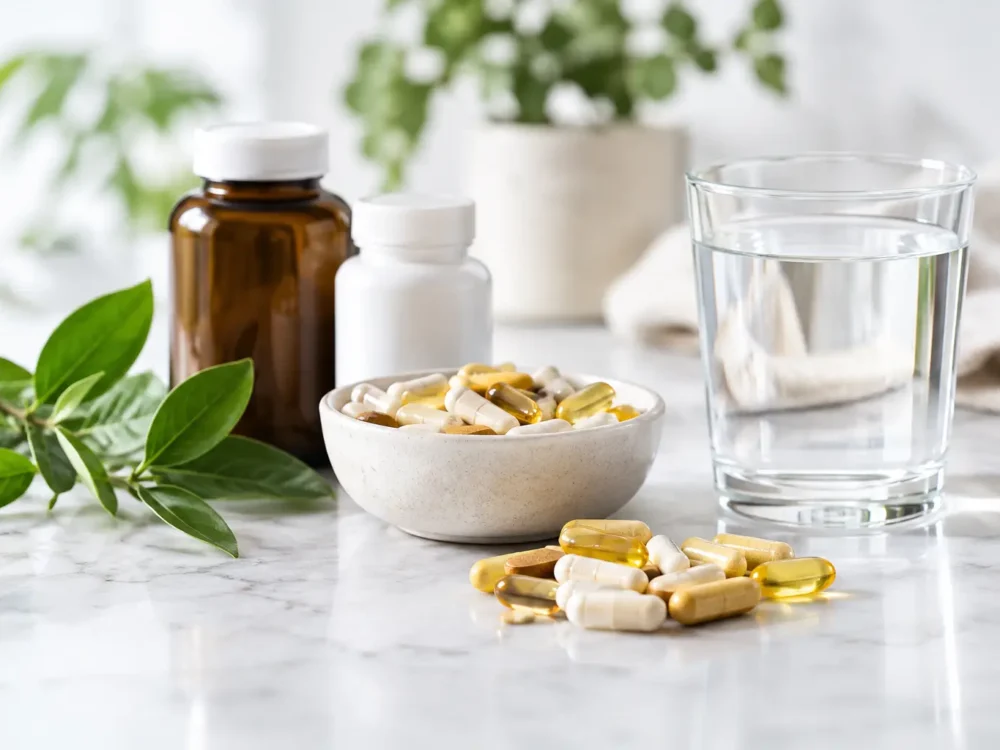
Pair your first drink with something visible: brushing your teeth, preparing breakfast, or taking your daily supplements. Habit stacking works because it removes the need to remember another task. Keep water where the cue happens, whether that is next to the kettle, on your nightstand, or beside your vitamins.
Create drinking triggers at work
Workdays can make hydration surprisingly difficult. Meetings, calls, air-conditioned offices, and long periods of focused screen time can mute thirst cues. Rather than setting an alarm every 15 minutes, which quickly becomes noise, use natural transitions. Drink when you open your laptop, before each meeting, after a restroom break, and before lunch.
Keep your bottle in your line of sight. A bottle hidden in a backpack does not help during a packed schedule. If plain water becomes boring by midafternoon, rotate in sparkling water, unsweetened tea, or water flavored with citrus, cucumber, or berries. Variety is useful when it helps you drink consistently without adding large amounts of sugar.
Plan ahead for workouts and outdoor time
Thirst is a useful signal, but it can lag behind your needs during intense exercise or hot, humid conditions. Begin your workout hydrated rather than trying to fix it halfway through. Have fluids in the hours before activity, bring a bottle, and continue drinking afterward.
For a shorter, lower-intensity workout in cool conditions, water is often enough. Electrolytes become more relevant when you are sweating heavily, training for longer periods, exercising in heat, or replacing fluids after a stomach bug. Sodium is especially important because sweat contains sodium, and replacing only large volumes of plain water after prolonged heavy sweating may not be ideal.
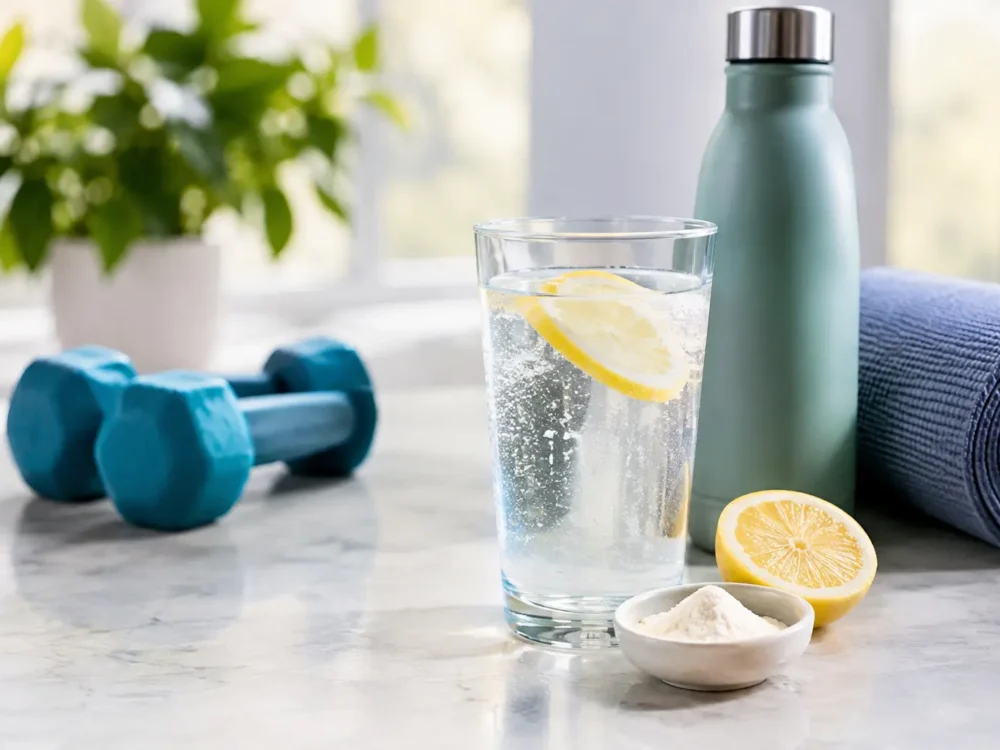
Convenient electrolyte effervescent tablets or capsules can make this easier for people who dislike mixing powders or carrying sports drinks. Choose a format you will use consistently, and check the label for sodium content, added sugar, and directions. More is not always better. If you have kidney disease, heart failure, high blood pressure, take diuretics, or have been advised to limit sodium or fluids, ask a clinician before adding electrolyte products regularly.
How to Maintain a Hydration Routine When Life Changes
A routine is only useful if it holds up on the days that are least predictable. Travel, restaurant meals, long errands, alcohol, illness, and hot weather can all shift your needs. The answer is not to abandon the routine. It is to have a lighter version ready.
When traveling, carry an empty bottle through security and fill it once you are past the checkpoint. On road trips, keep water within reach instead of in the trunk. If you are flying, take regular sips and limit alcohol if you already feel dry or fatigued. Airplane cabins can feel dehydrating, but there is no need to overcorrect with excessive water. Consistency beats urgency.
On days with a salty meal or alcohol, drink water alongside your meal and continue with your normal pattern the next day. Avoid turning hydration into a punishment or a dramatic cleanse. Your body responds better to regular intake than to extremes.
Illness needs a different level of attention. Vomiting, diarrhea, fever, or an inability to keep fluids down can lead to dehydration quickly. Oral rehydration solutions may be more appropriate than standard wellness drinks in these cases, particularly for significant fluid losses. Seek medical care for severe symptoms, confusion, fainting, very little urination, or symptoms that do not improve.
Eat Foods That Support Fluid Intake
Your drinks matter most, but food contributes to daily hydration too. Fruits, vegetables, soups, yogurt, and oatmeal all provide water. This is helpful for people who struggle with large drinks, and it naturally adds nutrients and fiber to the day.
Build hydration-supporting foods into meals you already enjoy. Add fruit at breakfast, have a soup or salad at lunch, and choose vegetables with dinner. Water-rich foods should complement your fluid routine, not replace it when you are sweating heavily or feeling thirsty.
Be cautious with the idea that every beverage hydrates equally. Sugary sodas and heavily sweetened drinks can add calories without becoming an enjoyable daily habit, while alcohol can leave you feeling worse when you are already underhydrated. Coffee and tea can fit comfortably into most routines, especially when balanced with plain water and other unsweetened options.
Use Data Without Letting It Take Over
Smart bottles, hydration apps, and marked water jugs can be useful if you enjoy tracking. They can also become another notification to ignore. Start with the lowest-friction method: a bottle you like, a few repeatable cues, and an easy refill spot.
Then adjust based on real feedback. Are you getting headaches late in the day? Do workouts leave you unusually drained? Is your bottle coming home untouched? Change one thing at a time, such as moving your bottle onto your desk or adding an electrolyte option for long, sweaty sessions. A routine should feel supportive, not like another performance metric.
For people who want a clean, travel-friendly hydration option, Sterling Nutrition’s convenient electrolyte formats can fit naturally into a work bag or gym routine. The practical question is not whether a product looks impressive in a cabinet. It is whether it solves a real barrier, such as taste, portability, or replenishing after substantial sweat loss.
Signs Your Plan Needs an Adjustment
Occasional thirst is normal. Persistent thirst, frequent dizziness, unusually dark urine, headaches, dry mouth, constipation, or a notable dip in exercise performance can be signs that your fluid habits need attention. These symptoms are not specific to dehydration, so do not self-diagnose if they are ongoing or severe.
The same applies at the other extreme. Drinking extreme amounts of water can be dangerous because it may dilute blood sodium levels. If you are drinking compulsively, waking repeatedly to drink or urinate, or experiencing nausea, confusion, or swelling after very high fluid intake, seek medical advice.
A hydration routine succeeds when it fits your real life: water when you wake, a bottle where you work, intentional fluids around training, and an electrolyte plan for conditions that genuinely call for one. Start with one anchor tomorrow morning, refill before you need to, and let the routine become as automatic as packing your keys.