Currently Empty: $0.00


If your hair feels dry at the ends but your scalp gets greasy fast, choosing the wrong oil can make your routine feel heavier, not better. That is why the real question is not whether castor oil or coconut oil is better in general. It is which one makes sense for your hair type, scalp condition, and styling habits.
Both oils are staples in beauty routines for a reason. They are simple, versatile, and easy to work into a weekly hair ritual. But they do not behave the same way on the scalp or strands. One is thick, rich, and often used more strategically. The other is lighter, more spreadable, and usually easier for regular use.
Castor oil vs coconut oil for hair: the short answer
If you want a fast, practical answer, here it is. Castor oil is usually better for targeted scalp care and for people who want a richer oil that helps coat dry, brittle hair. Coconut oil is usually better for overall conditioning, softness, and reducing the rough, frizzy feel that comes from dryness and repeated washing.
That does not mean one wins every time. Castor oil can feel too heavy for fine hair. Coconut oil can feel too light if your hair is very coarse or extremely dry. Results often come down to texture, amount used, and how often you wash your hair.
What makes castor oil different?
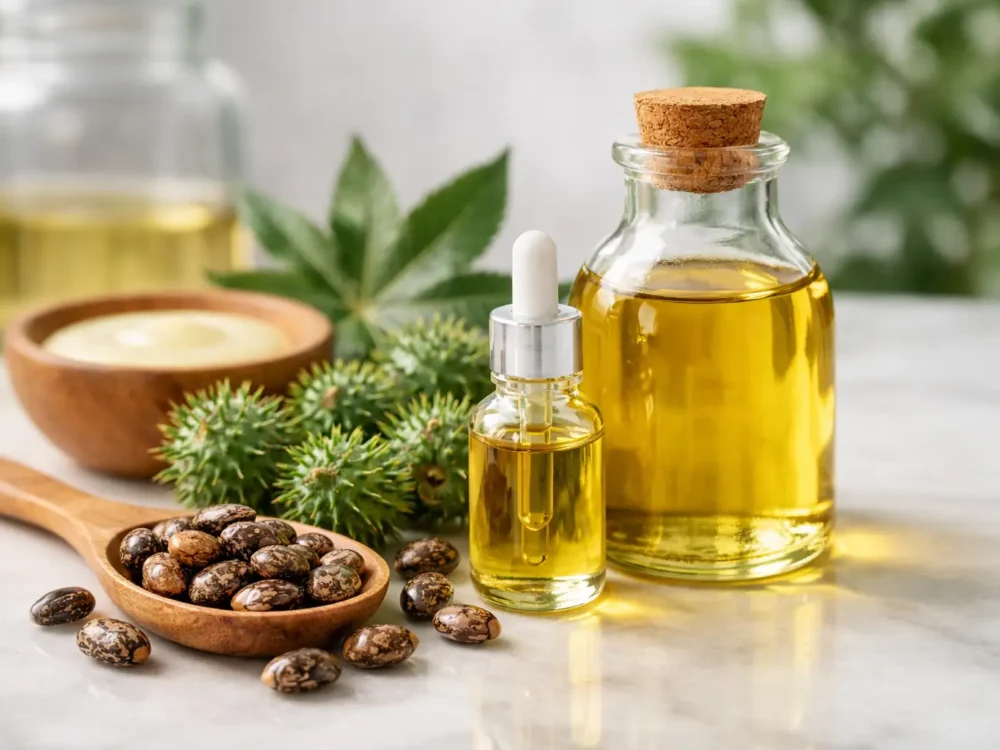
Castor oil is known for its thick, almost sticky texture. That texture is part of why so many people use it around the scalp, edges, and sparse-looking areas. It creates a substantial coating, which can make hair feel protected and look shinier after use.
For dry scalps, tightly coiled hair, or hair that has been stressed by heat styling, bleaching, or frequent coloring, castor oil can feel especially nourishing. It is not a light everyday serum for most people. It is more of a treatment oil.
Another advantage is how little you need. A small amount goes a long way. That matters if you are trying to build a routine you will actually stick with instead of one that feels messy or time-consuming.
Still, there are trade-offs. Because castor oil is so dense, it can weigh down straight or fine hair and may be harder to wash out. If you already struggle with buildup, applying too much can leave your roots feeling coated instead of refreshed.
Best fit for castor oil
Castor oil often works best for people with thick, coarse, curly, or highly textured hair. It also suits anyone who prefers pre-wash scalp treatments or wants to focus on dry patches, brittle ends, or edges that need extra care.
If your hair gets flat easily, start with a very small amount and avoid saturating the full length unless your hair is extremely dry.
What makes coconut oil different?
Coconut oil is usually the more approachable option for hair care. It melts easily in your hands, spreads quickly, and works well as a pre-shampoo treatment, overnight mask, or post-wash smoothing oil if used sparingly.
It is especially popular for improving softness and shine. Hair that feels rough, puffed up from humidity, or dry after washing often responds well to coconut oil. Because it is lighter than castor oil, it is easier to distribute from mid-length to ends.
For busy routines, that matters. You do not need a complicated method. A small amount worked through the ends before shampooing or left on for 30 minutes can make hair feel more manageable without turning your wash day into a project.
Coconut oil is not perfect for everyone either. Some people find it leaves their hair stiff if they use too much or use it too often, especially if their hair is sensitive to heavier oils. Fine hair can still get greasy fast if the application is heavy-handed.
Best fit for coconut oil
Coconut oil is a strong pick for normal to thick hair that needs help with dryness, frizz, and dullness. It is also a smart choice for people who want a more flexible multitasker that can be used more regularly than castor oil.
If your main goal is softer, smoother-looking hair with less frizz, coconut oil usually makes more sense as a starting point.
Castor oil vs coconut oil for hair growth
This is where expectations need to stay realistic. Oils do not magically force hair to grow faster overnight. What they can do is support a healthier hair environment by helping reduce dryness, improving slip, and lowering the breakage that makes hair seem like it is not growing.
Castor oil is often the one people reach for when they are focused on hair growth. That is largely because its thicker texture makes it feel intensive and scalp-focused. It can be a useful part of a hair routine if your scalp tends to feel dry and your strands break easily.
Coconut oil supports length retention differently. It is often used to help hair stay softer and less prone to snapping during washing and detangling. So if your hair “never grows,” but you also see lots of breakage in the shower or on your brush, coconut oil may help by making the hair shaft feel more resilient.
If your concern is true hair thinning, sudden shedding, or bald patches, oils should not be your only strategy. That is a sign to look beyond topical care and consider stress, nutrition, hormones, and scalp health.
Which oil is better for your scalp?
If your scalp feels tight, flaky, or dry, castor oil may feel more comforting because it sits on the skin longer and gives a stronger protective feel. That said, if you are prone to clogged follicles or scalp buildup, too much castor oil can backfire.
Coconut oil works well for people who want a lighter scalp treatment that is easier to rinse out. It is often the better fit if you wash your hair frequently, exercise often, or dislike heavy residue.
The smartest move is to match the oil to your tolerance for richness. A treatment only works if you will use it consistently. If an oil feels too greasy, you will eventually stop reaching for it.
How to use each oil without overdoing it
The biggest mistake is using far too much. More oil does not automatically mean better results.
With castor oil, start by applying a small amount to your fingertips and massaging it into specific areas of the scalp or into very dry ends. Leave it on for 30 minutes before shampooing, or use it overnight if your hair tolerates heavier treatments well.
With coconut oil, warm a small amount between your palms and apply it mainly through the mid-lengths and ends. It works well before shampooing, especially if your hair tangles easily or feels stripped after cleansing.
If you want the benefits of both, you do not always have to choose one forever. Some people use coconut oil as their regular conditioning oil and reserve castor oil for occasional scalp or edge treatments. That kind of split routine can be more practical than trying to make one oil do everything.
How to choose based on hair type
If your hair is fine, straight, or gets oily quickly, coconut oil is usually the safer choice, though only in small amounts. If your hair is thick, curly, coily, or highly porous, castor oil may give you the richer support your strands need.
If your hair is damaged from bleach, heat, or frequent coloring, both can help, but in different ways. Coconut oil tends to be easier for full-length treatment. Castor oil tends to be better for targeted dry areas and a heavier finish.
If you are new to hair oils, start simple. Pick the one that best matches your texture and biggest concern, then use it once or twice a week for a few weeks before changing products. Consistency matters more than constantly switching.
For shoppers who want clean, routine-friendly options with a straightforward wellness focus, this is exactly why ingredient quality matters. A simple oil can be genuinely useful when it fits your hair and your schedule.
The better choice is the one you will actually use
Castor oil and coconut oil both deserve their place in hair care, but they serve different jobs. Castor oil is richer, heavier, and better suited to targeted care. Coconut oil is easier to spread, easier to wash out, and better for regular softness and frizz control.
If your hair routine needs a low-effort upgrade, start with the problem you want to solve first, not the trend you have seen most often. And if you want a clean-label option to build into that routine, you can explore wellness staples at Sterling Nutrition and choose the one that fits your hair in real life, not just on paper.