Currently Empty: $0.00

A bottle can say pure, premium, cold-pressed, and organic all at once – and still leave you wondering whether it is actually the right buy. If you are trying to figure out how to choose black seed oil, the real job is not finding the most impressive label. It is finding a product that matches your goals, your routine, and the quality markers that actually matter.
Black seed oil has moved well beyond traditional use and into modern supplement routines for immunity support, general wellness, and daily convenience. That is good news, but it also means more choices, more marketing language, and more room for confusion. Some shoppers want the strongest formula available. Others want a clean-label softgel they will actually remember to take every day. Those are not the same purchase.
How to choose black seed oil without falling for the label
The fastest way to make a smart decision is to ignore the front of the bottle for a minute. Turn it around and look for the details that signal quality.
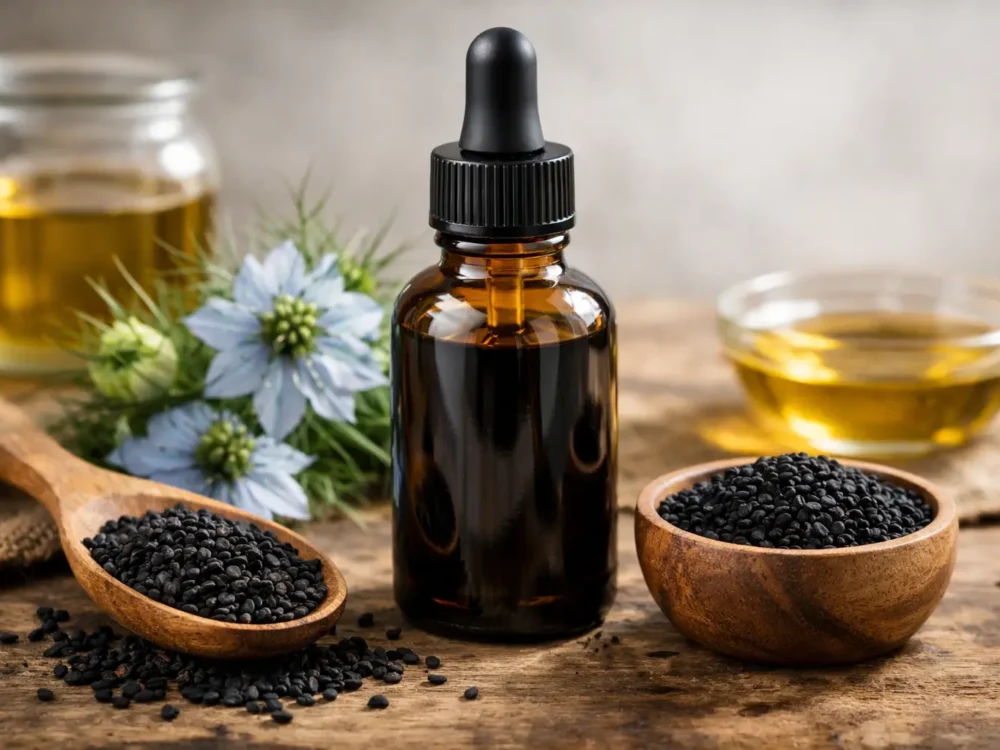
Start with the source. Black seed oil comes from Nigella sativa seeds, and reputable products should make that clear. If the label is vague about the botanical source, that is not a great sign. Transparency matters, especially in supplements where ingredient quality can vary a lot.
Next, look at extraction. Cold-pressed is usually the preferred standard because it helps preserve the oil’s naturally occurring compounds without exposing it to excessive heat. That does not automatically make every cold-pressed oil superior, but it is a strong baseline if you want a less processed product.
Then check whether the brand gives you measurable quality markers. One of the most useful is thymoquinone, often shortened to TQ. This is one of the key active compounds in black seed oil, and higher TQ content is often associated with a more concentrated product. If a brand talks heavily about potency but never gives actual TQ information, you are being asked to trust marketing more than data.
Why thymoquinone matters when you choose black seed oil
If you only remember one thing from this guide, make it this: potency is not just about how many milligrams are in the serving. It is also about what is inside those milligrams.
Two black seed oil products can have the same serving size and still feel very different in quality. That is where TQ comes in. A higher thymoquinone percentage can indicate a more active, more targeted formula. For shoppers who want a stronger black seed oil, this often matters more than broad claims like extra strength or maximum power.
That said, more is not always better for every person. A high-TQ black seed oil may be exactly what one shopper wants, especially if they are specifically looking for a concentrated option. But someone new to black seed oil might prefer a more moderate formula or a convenient softgel format that is easier to tolerate and easier to take consistently. The best choice depends on whether your priority is intensity, ease, or both.
Pick the right format for your routine
This is where many people overthink things. The best black seed oil is not the one with the most impressive spec sheet if it sits unopened in your kitchen.
Liquid black seed oil appeals to shoppers who want the traditional format and the flexibility to measure their serving directly. It can also make sense for people who prefer fewer processing steps between the seed and the final product. The trade-off is obvious: taste. Black seed oil has a strong, peppery, bitter profile that not everyone enjoys.
Softgels solve that problem. They are cleaner, easier to carry, and much more routine-friendly for busy professionals, frequent travelers, and anyone already using daily supplements. If convenience is the difference between taking it regularly and forgetting it, softgels are often the smarter buy.
Neither format is automatically better. Liquid may suit shoppers who prioritize traditional use and dose flexibility. Softgels may suit people who value consistency and ease. If you know you avoid strong-tasting oils, do not force yourself into the liquid version just because it sounds more authentic.
Purity claims that are worth checking
Clean-label cues matter, but only when they are specific enough to mean something. Organic, non-GMO, vegan, cruelty-free, and natural ingredient positioning can all be useful signals, especially for shoppers who want fewer unnecessary additives in their wellness routine.
The key is to check whether those claims are supported by a clean ingredient panel. A black seed oil product should not need a long list of fillers, artificial colors, or mystery additives. In a liquid oil, simplicity is usually a good sign. In softgels, the formula may include capsule materials, but it still should feel straightforward.
You should also pay attention to whether the product is standardized or tested for purity. Brands that are serious about quality tend to say more, not less, about what is in the bottle and what is not. If the product page or label is thin on details, that is a reason to pause.
Packaging tells you more than you think
Light, heat, and air can all affect oil quality over time. That is why packaging is not just a design issue.
A dark glass bottle is often a better choice for liquid black seed oil because it helps protect the oil from light exposure. If a product comes in clear packaging, it may look nice on a shelf, but that does not necessarily serve the oil well. With softgels, a well-sealed bottle matters for freshness and convenience, especially if you are buying for daily use.
Also think about bottle size. A very large bottle can seem like the better value, but only if you will finish it in a reasonable time after opening. Oils are not the category where bigger is always smarter. If you are new to black seed oil, a manageable size is often the safer first purchase.
Read reviews the smart way
Reviews are useful, but they are often misread. Do not just scan for five-star ratings. Look for patterns.
Are people consistently mentioning freshness, ease of use, and repeat purchases? Are softgel buyers saying the format made daily use simpler? Are liquid users talking about taste honestly, not just praising benefits? The most helpful reviews usually sound specific rather than dramatic.
Be cautious with products that have glowing claims but little detail. A realistic review profile tends to include practical comments about packaging, taste, consistency, and how easy the product is to stick with. That is closer to how real people shop.
Price matters, but value matters more
It is tempting to compare black seed oil products by bottle price alone. That rarely gives you the full picture.
A lower-priced oil may look like a win until you notice it does not disclose TQ content, uses weaker packaging, or comes in a format you dislike. On the other hand, a more premium option may justify the price if it combines high thymoquinone content, strong purity standards, and a convenient format you will use daily.
This is where routine value comes in. If you are building black seed oil into your everyday supplement stack, the right product is the one that balances quality with repeatable use. A great deal on the wrong format is still the wrong product.
A practical checklist for choosing the right one
When deciding how to choose black seed oil, narrow your decision with five questions. Is it clearly labeled as Nigella sativa? Does it disclose useful quality details like thymoquinone content? Is it cold-pressed or otherwise transparent about extraction? Does the format match your real routine? And does the packaging help protect the oil rather than just market it?
If the answer is yes across those points, you are probably looking at a stronger option than most generic marketplace listings. If several of those details are missing, keep shopping.
For shoppers who want a cleaner, more convenient buying experience, it helps to choose brands that make these quality signals easy to find instead of making you hunt for them. That is one reason education-led wellness stores like Sterling Nutrition resonate with busy supplement users – the decision-making is simpler when the product story is clear.
The best black seed oil is not the one with the loudest claims. It is the one that is transparent about potency, serious about purity, and easy enough to become part of your actual routine.