
Currently Empty: $0.00

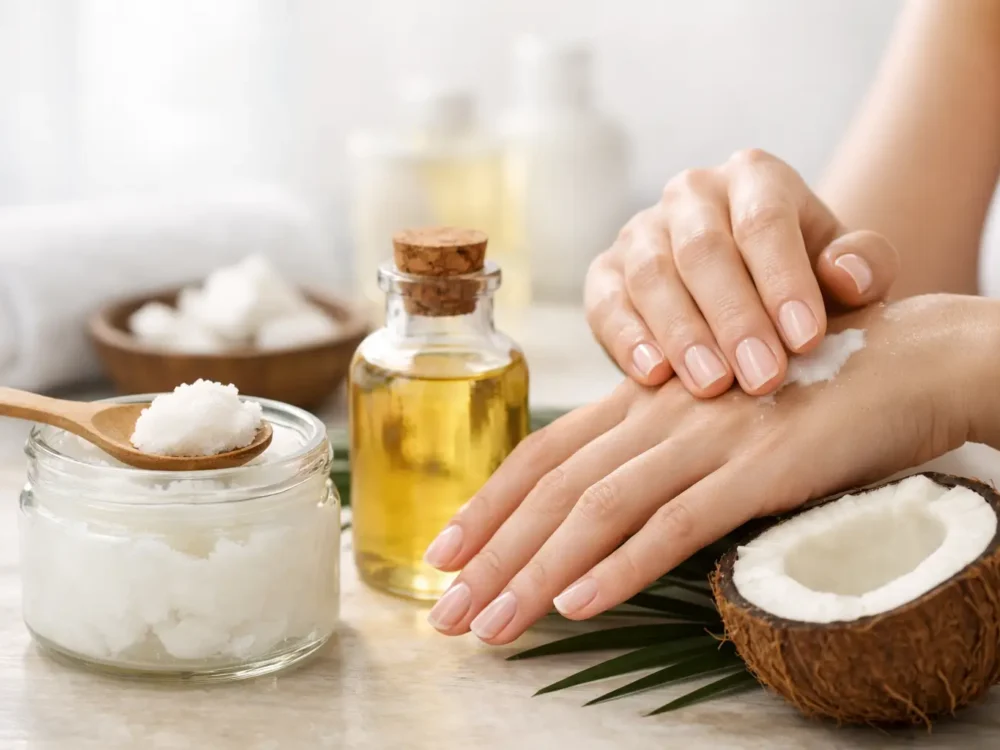
A lot of people try coconut oil once, love the glow, and then wonder why their face suddenly feels congested. That usually happens because they were never shown how to use coconut oil on skin the right way for their skin type, climate, and routine. Coconut oil can be a simple, effective staple, but it works best when you use it with some strategy.
How to use coconut oil on skin without overdoing it
Coconut oil is best thought of as an occlusive moisturizer. In plain terms, it helps seal moisture into the skin. That makes it especially useful for dry body areas like elbows, knees, heels, and hands. It can also help reduce that tight, ashy feeling after a shower when skin loses water quickly.
The catch is that coconut oil is rich and can feel heavy, especially in humid weather or on naturally oily skin. If you live in a warm climate or tend to sweat easily, a thick layer may sit on top of the skin instead of absorbing the way you want. That does not make it a bad product. It just means application matters.
For most people, the best approach is to start small. Warm a pea-sized amount between your palms and press a thin layer onto slightly damp skin. Damp skin gives the oil something to seal in, which often feels better than applying oil to dry skin alone. On the body, this is usually enough to leave skin softer without that greasy after-feel.
If your goal is everyday body care, use it after showering, especially at night when you are less likely to be bothered by shine. If your goal is spot treatment, keep it targeted. Dry cuticles, flaky patches around the ankles, or rough elbows are usually better candidates than your entire face.
Where coconut oil works best on skin
Coconut oil has a strong reputation as a multitasker, and that is fair. It can perform very well in the right areas. The body is usually where it shines most consistently.
Dry legs, cracked heels, hands exposed to frequent washing, and rough knees often respond well because these areas need barrier support more than lightweight hydration. If you shave, a thin layer after showering can also help reduce that dry, itchy feeling that sometimes follows hair removal.
It can also work nicely as a massage oil, a cuticle softener, or a simple makeup-removing first cleanse when used carefully. For body massage, the slip is excellent and a little goes a long way. For cuticles, it adds softness fast without requiring a separate hand treatment.
For the face, results are more mixed. Some people with very dry, non-acne-prone skin like it as a final layer over a lighter moisturizer. Others find it too occlusive and notice clogged pores or small bumps. If your skin is reactive, combination, or breakout-prone, this is where caution matters.
Using coconut oil on dry skin
If your skin barrier feels depleted, coconut oil can help hold in hydration. The key is layering it correctly. Start with water-based hydration first, such as a simple moisturizer or even damp skin after cleansing, then use a small amount of coconut oil on top. Used this way, it acts more like a seal than a standalone fix.
This matters because oil does not add water to the skin. It helps prevent water loss. So if skin is already dehydrated, oil alone may not give you the comfortable, plump feeling you are after.
Using coconut oil for lips and hands
These are two of the easiest wins. Lips and hands are exposed constantly to air conditioning, handwashing, and friction. A tiny amount of coconut oil can soften dry areas quickly, especially overnight. If you want a low-effort routine, keep it by your bedside and use it as a final step before sleep.
Should you use coconut oil on your face?
It depends on your skin type more than the trend. Coconut oil is commonly described as comedogenic for some users, meaning it may contribute to clogged pores. That risk is more relevant if you already deal with acne, blackheads, or frequent congestion.
If your skin is very dry and rarely breaks out, you may be able to use a small amount on the face a few nights a week, especially on drier zones rather than all over. Patch testing is the smart move. Apply a little along the jawline for several days and watch how your skin responds.
If you are acne-prone, coconut oil is usually better kept off the face and reserved for the body. There are lighter facial oils and moisturizers that are often easier to tolerate. This is one of those cases where natural does not automatically mean universally suitable.
How to use coconut oil on skin in a simple routine
The easiest routine is also the one most people stick with. Use coconut oil after a shower, after washing hands, or before bed. Those moments fit naturally into an existing habit, so the product becomes part of a routine instead of another step you forget.
A practical body-care method looks like this: cleanse, pat skin so it stays slightly damp, then apply a thin layer of coconut oil to dry-prone areas. If you want more slip and less heaviness, mix a small amount into your regular body lotion in your palm before application.
For hands and cuticles, apply after your final hand wash of the evening. For heels, add a generous layer and wear cotton socks overnight. For makeup removal, massage a small amount onto dry skin, wipe gently, then follow with a gentle cleanser so residue does not linger.
That last step matters. If coconut oil is left behind, especially around the nose and chin, it may feel heavy or contribute to congestion in some people.
Choosing the right coconut oil for skin
Quality makes a difference, especially when you are using an oil directly on the skin. Look for extra virgin coconut oil with minimal processing. Cleaner sourcing and a straightforward ingredient list are usually what you want here. If you care about clean-label standards, options that are organic, non-GMO, and cruelty-free tend to align best with a modern wellness routine.
Texture and scent also tell you a lot. A fresh coconut aroma is normal for virgin oil, but it should not smell stale or overly processed. The oil should melt easily in your hands and feel smooth, not gritty.
If you already shop wellness essentials online, it makes sense to choose a product from a retailer that emphasizes purity markers and daily usability. That is part of why many customers look for extra virgin coconut oil from brands like Sterling Nutrition, where the routine-first approach is clear and product standards are easy to evaluate.
Common mistakes when using coconut oil on skin
Most problems come down to using too much, using it in the wrong place, or expecting it to do the job of a full moisturizer. A thick coating may sound nourishing, but it often just feels sticky and transfers onto clothes or bedding.
Another common mistake is putting it on acne-prone facial skin because it worked well on the body. Skin on the face behaves differently. What helps dry elbows may not help your T-zone.
There is also the assumption that if a little is good, more must be better. Usually the opposite is true with oils. A thin layer tends to feel better, absorb more evenly, and create fewer problems.
Finally, do not use coconut oil on broken or irritated skin without paying attention to how it feels. If skin is inflamed, stinging, or rash-prone, simple and fragrance-free is often better, and sometimes the best next step is to pause oils altogether and let the skin barrier settle.
When coconut oil is a good fit – and when it is not
Coconut oil is a strong fit if you want a multipurpose product for dry body skin, hands, feet, and occasional cleansing. It is also useful if you prefer simple ingredients and want one jar that can cover several wellness and beauty needs.
It is less ideal if your main concern is facial acne, heavy congestion, or a dislike of richer textures. In those cases, coconut oil may still belong in your routine, just not everywhere. Use it where it performs best and skip the areas where it tends to create friction.
That is really the smart way to think about it. The best skincare routine is not the most complicated one. It is the one that fits your skin, your schedule, and the way you actually live. If coconut oil makes your dry areas feel comfortable and cared for, that is a routine worth keeping.