
Currently Empty: $0.00

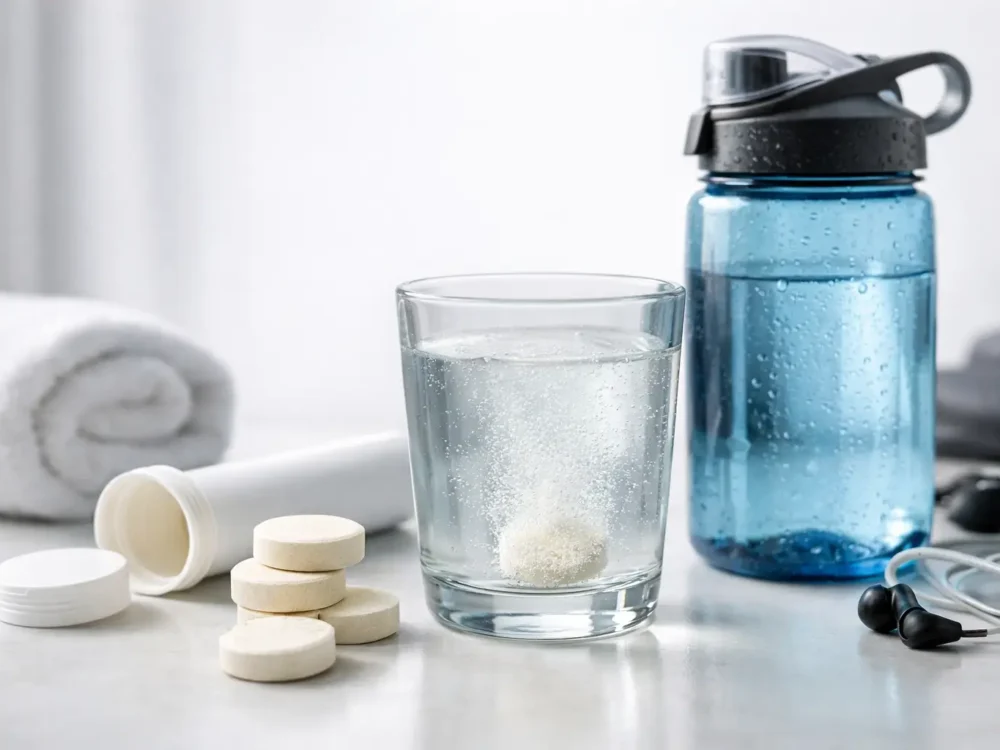
You usually notice hydration mistakes after the fact – the mid-workout slump, the pounding post-run headache, the leg cramps at night, or that drained feeling after a long day in the heat. If you have ever wondered how to use electrolyte tablets without overdoing it or wasting them, the answer starts with one simple idea: they work best when matched to your sweat loss, activity level, and water intake.
What electrolyte tablets actually do
Electrolyte tablets are designed to help replace minerals you lose through sweat, mainly sodium, along with smaller amounts of potassium, magnesium, and sometimes calcium. These minerals help regulate fluid balance, muscle contraction, and nerve signaling. Water alone can be enough for light daily hydration, but when sweating picks up, plain water is not always the full solution.
That is where tablets make sense. They are convenient, portable, and easy to build into a routine. Effervescent formats are especially practical if you want something more enjoyable to drink than plain water, while capsules can work for people who prefer speed and no flavor. The trade-off is that not every product is formulated the same, so usage should follow the label rather than guesswork.
How to use electrolyte tablets for different situations
The right way to use electrolyte tablets depends on why you need them in the first place. Someone doing a short gym session in air conditioning has very different needs from someone running outdoors for 90 minutes in humid weather.
For exercise, electrolyte tablets are most useful before long sessions, during endurance training, or after heavy sweating. If your workout lasts under an hour and you are not sweating much, you may not need one at all. If you are training hard, losing visible sweat, or exercising in heat, adding a tablet to water before or during the session can help maintain hydration and performance.
For hot weather and outdoor activity, tablets can be helpful even if you are not doing formal exercise. Walking a city all day, working outdoors, hiking, or standing in the sun for extended periods can increase fluid and sodium loss. In these cases, an electrolyte drink often feels more effective than repeatedly drinking plain water and still feeling depleted.
For travel, tablets are a simple option when flights, long days, alcohol intake, poor sleep, and disrupted meals leave you feeling off. They are also practical if you are adjusting to a hotter climate or trying to stay consistent while moving around. Many people use them reactively, but taking one earlier in the day can be smarter than waiting until fatigue hits.
For illness-related fluid loss, such as vomiting or diarrhea, electrolytes may help support rehydration. But this is where nuance matters. If symptoms are severe, prolonged, or involve signs of significant dehydration, a general wellness product is not a substitute for medical care. Mild support is one thing. Treating serious fluid loss on your own is another.
When to take electrolyte tablets
Timing is not complicated, but it does matter.
Before exercise, an electrolyte tablet can be useful if you know you are heading into a sweaty session, especially in heat or humidity. Taking it 30 to 60 minutes before activity gives you a head start on hydration.
During exercise, tablets make the most sense for longer sessions, typically over 60 minutes, or any workout where sweat loss is high. Sip steadily rather than chugging all at once. Your body absorbs fluids better when intake is spread out.
After exercise, electrolyte tablets can support recovery if you finished drenched, feel headachy, or notice that plain water is not quite bringing you back. Post-workout use is often the most intuitive for beginners because the signs of fluid loss are easier to notice.
Outside of workouts, many people take electrolyte tablets in the morning after a poor night of sleep, after travel, or before spending hours outdoors. There is nothing magical about a certain time of day. The best time is when your hydration demands are actually higher.
How much water to use with electrolyte tablets
This is one of the most common mistakes. People either drop a tablet into too little water and create an overly concentrated drink, or they dilute it so much that it becomes less useful and less palatable.
The correct amount depends on the product, so always start with the label instructions. In general, one tablet is meant for a defined volume of water, often around 16 to 20 ounces. That ratio matters because it affects both taste and concentration.
If the drink tastes extremely salty or strong, check whether you used enough water. If it tastes too weak and you are using more water than recommended, you may not be getting the intended electrolyte concentration. The goal is not to make the strongest drink possible. The goal is to make the drink work as formulated.
Also, do not assume more tablets means better hydration. Taking several close together without a reason can leave you with excess sodium, digestive discomfort, or a false sense that you can ignore your total fluid needs.
How often should you use electrolyte tablets?
For most people, electrolyte tablets are a tool, not an all-day habit. You use them when sweat loss, heat exposure, training volume, or travel makes them useful. On lower-sweat days, regular water and a balanced diet are often enough.
If you work out intensely most days, you might use them several times a week. If you are mostly sedentary and indoors, daily use may not be necessary. It depends on your environment, your routine, and how much sodium you are losing.
This is also where clean formulation matters. If you are using a product regularly, many shoppers prefer options that align with a more mindful routine – natural ingredients, convenient formats, and a straightforward label. That is part of why effervescent hydration products have become a staple for busy people who want performance support without turning hydration into a chore.
Signs you may need electrolytes, not just more water
A lot of people default to plain water even when their body is signaling that mineral replacement may help. Common clues include heavy sweating, salt stains on clothing, muscle cramps, headaches after exercise, dizziness in the heat, unusual fatigue, and feeling thirsty even after drinking water.
None of these signs automatically mean you need a tablet every time. But together, they suggest your hydration strategy may be too basic for your current routine. If you are sweating heavily and only replacing water, you may feel flat rather than fully rehydrated.
Mistakes to avoid when using electrolyte tablets
The biggest mistake is treating them like a daily wellness extra with no context. Electrolytes are functional. They work best when used with intention.
Another common mistake is stacking them with multiple sports drinks, salty snacks, and supplements without checking total intake. More is not always better, especially if you already consume a high-sodium diet.
Some people also use electrolyte tablets as a substitute for eating enough. They can support hydration, but they do not replace carbohydrates, protein, or overall recovery nutrition. If your energy is low because you skipped meals, a tablet may help a little, but it will not fix the underlying issue.
And finally, do not ignore the product label. Some formulas are built for light daily hydration, while others are designed for heavier sweat loss. The right dose for one brand may not translate to another.
Who should be more careful
Electrolyte tablets are generally straightforward, but they are not for everyone in the same way. If you have kidney disease, heart disease, high blood pressure, or have been told to limit sodium or potassium, it is smart to check with a healthcare professional before using them regularly.
The same applies if you are pregnant, managing a medical condition, or buying for a child. Hydration support can be helpful, but your needs may differ from the average label recommendation.
How to choose a tablet you will actually use
The best electrolyte tablet is not just about ingredient numbers. It is the one that fits your routine well enough that you will use it consistently when it matters. Taste, portability, tablet strength, sugar content, and format all matter.
If you want a gym bag staple, convenience may come first. If you are using it during workdays or travel, a clean taste and easy mixability may matter more. If your goal is daily support through heat and workouts, choosing a quality option from a brand that prioritizes purity and usability can make your routine easier to stick with. Sterling Nutrition offers hydration formats built around that kind of real-world consistency.
A good hydration routine should feel simple. Use electrolyte tablets when your body is losing more than water, pay attention to the label, and let your activity level decide the dose – not the marketing on the front of the tube.