Currently Empty: $0.00

Frizzy ends, dull lengths, and that rough, over-washed feeling usually do not need a 10-step routine. Most of the time, hair responds best to one thing done well. A good coconut oil hair mask recipe is one of the simplest ways to bring softness and shine back into your routine without making it complicated.
Coconut oil has stayed popular for a reason. It is easy to use, widely tolerated, and especially helpful when hair feels dry from heat styling, coloring, sun exposure, or frequent shampooing. But the part many people miss is this – more oil is not always better. The right recipe depends on your hair type, how dry it is, and how easily your scalp gets weighed down.
A coconut oil hair mask recipe that actually works
If you want one go-to version that suits most hair types, start here. This formula is simple, effective, and easy to adjust.
The base recipe
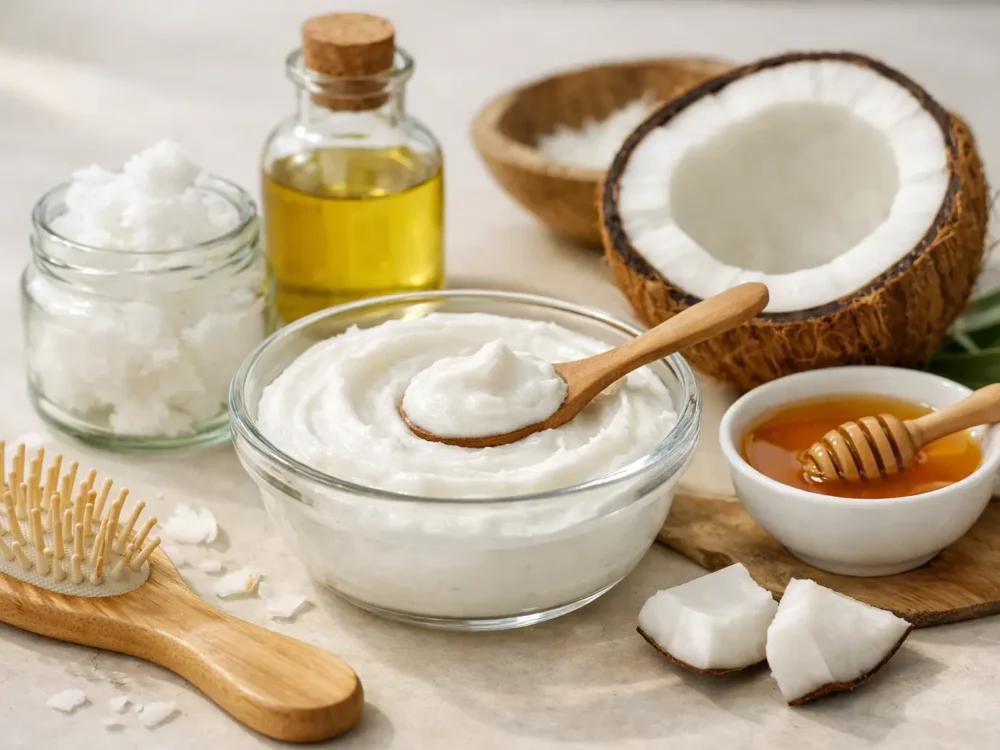
Mix 2 tablespoons of extra virgin coconut oil with 1 tablespoon of honey. If your hair is long, thick, or very dry, use 3 tablespoons of coconut oil and 1 1/2 tablespoons of honey instead.
Warm the mixture slightly until it is easy to spread. It should feel silky, not hot. Apply it to dry or slightly damp hair, focusing on mid-lengths and ends first, then using any leftover product on the top layer. Leave it on for 20 to 40 minutes, then shampoo thoroughly and follow with a light conditioner if needed.
This version works because coconut oil helps coat and soften the hair shaft, while honey adds slip and can help dry hair feel less brittle. The result is usually smoother, more manageable hair after one use, especially if your ends have been feeling crunchy or overprocessed.
Why coconut oil helps some hair types more than others
Coconut oil is often used in hair care because it can reduce protein loss in hair strands. That matters when your hair is damaged from bleaching, heat tools, or repeated washing. Hair that loses too much protein tends to feel weak, rough, and prone to breakage.
That said, coconut oil is not universal magic. If your hair is very fine, low-porosity, or naturally gets oily fast, a heavy mask can leave it limp. If your scalp is sensitive or prone to buildup, applying a thick layer directly to the roots may backfire. The best results usually come from using enough to coat the hair lightly, not saturate it like a deep-frying project.
This is where a lot of DIY routines go wrong. People hear that coconut oil is nourishing, then use half a jar. Hair ends up greasy, shampoo takes forever, and the treatment gets blamed when the real issue was overdoing it.
How to adjust the recipe for your hair type
A smart coconut oil hair mask recipe should fit your hair, not the other way around.
For dry, thick, or curly hair
Use 2 to 3 tablespoons of coconut oil with 1 tablespoon of honey and 1 tablespoon of plain yogurt. The yogurt gives the mask a creamier texture and can make thick hair easier to coat evenly. This version tends to work well when curls feel stretched out, rough, or hard to detangle.
For fine or straight hair
Keep it lighter. Use 1 tablespoon of coconut oil with 1 tablespoon of aloe vera gel. Skip heavy add-ins. Apply only from mid-length to ends and leave it on for 15 to 20 minutes. Fine hair benefits from softness, but too much oil can flatten volume fast.
For damaged or color-treated hair
Mix 2 tablespoons of coconut oil with 1 tablespoon of honey and a few drops of argan oil if you already have it. You do not need much. This blend can help colored hair look shinier and feel less straw-like, though it will not repair split ends permanently. Nothing topical really does that.
For a flaky or dry-feeling scalp
Use 1 to 2 tablespoons of coconut oil and add 1 tablespoon of aloe vera gel. Keep the layer light on the scalp. If you are dealing with active irritation, itching, or dandruff that does not improve, DIY masks are not a substitute for medical treatment. Sometimes scalp issues need a more targeted approach.
How to apply it for better results
Technique matters more than people think. Start by sectioning your hair so the mask goes where it is needed instead of pooling in one area. Rub a small amount between your palms first, then smooth it through the lengths.
If your ends are the driest part, give them the most product. If your scalp gets oily easily, stop a few inches short of the roots. Once your hair is coated, twist it up loosely and cover it with a shower cap or warm towel.
Heat is optional, but gentle warmth can help the mask spread better and feel more comfortable. You do not need a complicated setup. Even wrapping hair in a warm towel for 10 minutes can make the treatment feel more effective.
How long should you leave a coconut oil hair mask on?
For most people, 20 to 40 minutes is enough. Longer is not always better.
If your hair is very coarse or extremely dry, you can leave it on for up to an hour. Overnight masks sound appealing, but they are often unnecessary and can lead to greasy pillowcases, clogged follicles around the hairline, and a tougher wash day the next morning. If your hair likes coconut oil, consistency beats extreme treatment time.
Once a week is a good starting point. If your hair is mildly dry, every other week may be enough. If it is heavily processed, once a week can work well until softness improves.
Common mistakes that make DIY masks disappointing
The first mistake is using too much product. The second is applying it right before shampooing without giving it time to sit. The third is choosing the wrong add-ins.
Eggs, for example, are popular in DIY hair content, but they are messy and not always worth it. Lemon juice can sound like a clarifying hero, but it may irritate sensitive scalps and can be too harsh for already dry hair. Essential oils are another area where restraint matters. A little goes a long way, and more is not safer just because the ingredient is natural.
Another common issue is expecting a mask to fix structural damage. A coconut oil hair mask recipe can improve softness, shine, and manageability. It can help reduce the look and feel of dryness. It cannot glue split ends back together or reverse severe chemical damage in one session.
Choosing the right coconut oil
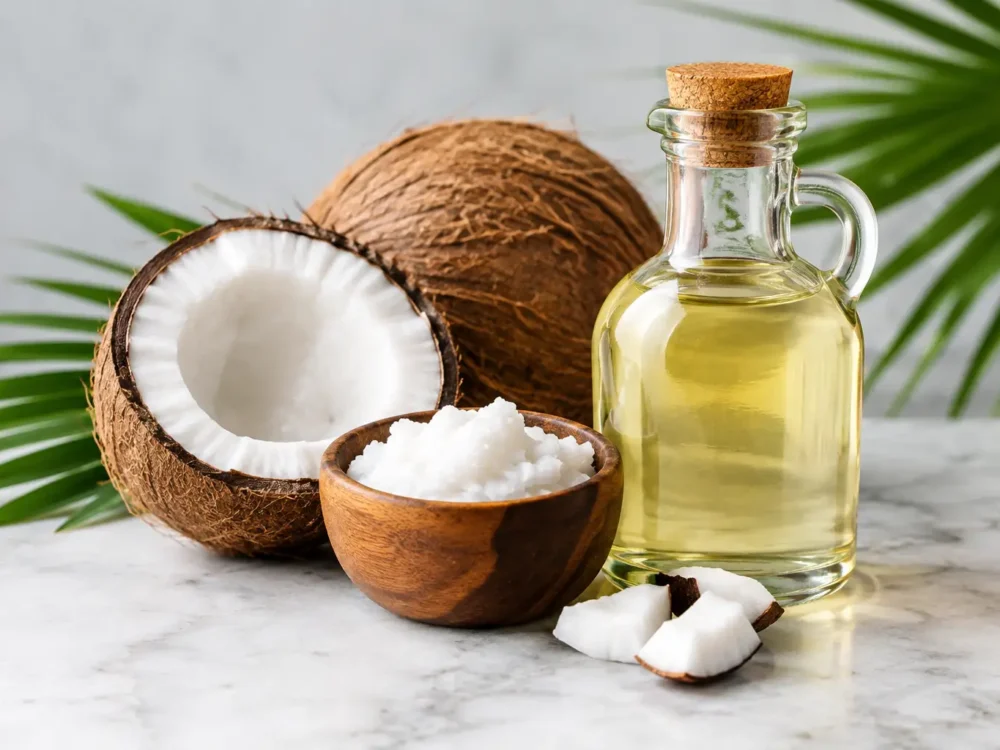
Quality matters because this is a leave-on treatment for at least part of your routine. Extra virgin coconut oil is usually the best choice because it is minimally processed and keeps the straightforward, clean profile most wellness shoppers want.
Look for a product that feels pure, smells fresh, and does not include unnecessary additives. If you are already building a cleaner personal care routine, the same standard applies here. One reason many shoppers prefer a trusted source is simple – when you are putting an oil on your hair and scalp regularly, purity is not a small detail.
If you are looking for a clean-label option to use in your weekly routine, Sterling Nutrition offers extra virgin coconut oil that fits well with a practical, ingredient-conscious approach.
When to skip it
If your hair is protein-sensitive, very fine, or already soft and coated from other styling products, a coconut oil mask might feel like too much. If you have scalp acne, seborrheic dermatitis, or persistent itchiness, test carefully or speak with a professional before making oil masks a regular habit.
And if you try it once and your hair feels heavy, do not force it. You may simply do better with a lighter oil or a shorter treatment time. Hair care is personal. The best routine is the one your hair responds to consistently, not the one that looks best in a jar.
A good coconut oil hair mask recipe should make your routine easier, not messier. Start simple, use less than you think you need, and pay attention to how your hair feels the next day. Soft, healthy-looking hair usually comes from small habits done regularly, and this is one of the easiest places to start.