
Currently Empty: $0.00

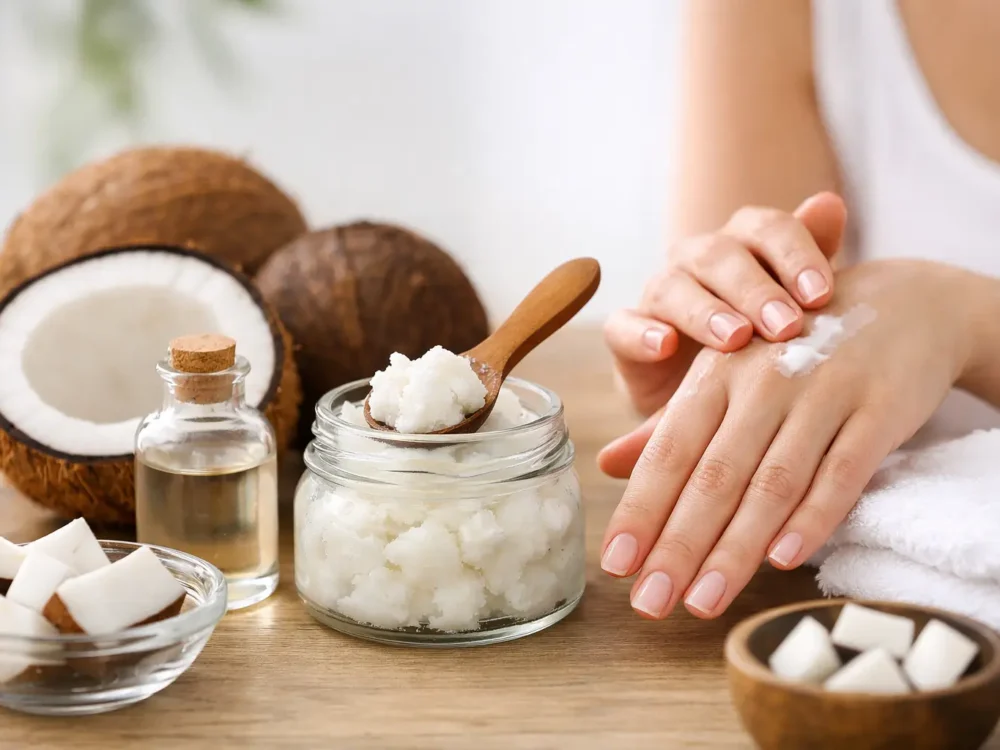
You step out of the shower, your skin feels tight, and the bottle of lotion is empty. That is usually when the question comes up – can coconut oil replace lotion? The short answer is yes, sometimes. But if you want skin that feels comfortable all day, the better answer is that it depends on your skin type, your climate, and how you use it.
Coconut oil has a loyal following for a reason. It is simple, familiar, and deeply associated with clean beauty routines. For many people, especially those who prefer multi-use natural staples, it feels like an easy swap. Still, lotion and coconut oil are not the same thing, and treating them like they are can lead to mixed results.
Can coconut oil replace lotion for daily moisturizing?
Coconut oil can work as a body moisturizer, particularly if your skin is normal to dry and you apply it at the right time. It forms an occlusive layer on the skin, which means it helps reduce water loss. That can leave skin feeling softer and smoother, especially after bathing when the skin is still slightly damp.
That said, lotion is usually more sophisticated than pure oil. Most lotions combine water, humectants, emollients, and occlusives. In practical terms, that means they do more than sit on the surface. A well-formulated lotion can pull water into the skin, soften rough areas, and seal in hydration in one step.
Coconut oil mainly handles the sealing part. If your skin is already dehydrated, using only oil may not give the same result as a lotion that includes ingredients like glycerin or hyaluronic acid. Your skin may feel coated but not fully hydrated.
Why coconut oil works for some people
There is a reason coconut oil remains a staple in many wellness and beauty routines. It is rich in fatty acids and has a naturally rich texture that can make dry skin feel immediately more comfortable. On elbows, knees, legs, and other rough body areas, it often performs well.
It also fits the lifestyle of shoppers who want fewer products doing more jobs. A quality extra virgin coconut oil can move easily between kitchen, haircare, and body care, which makes it attractive for people who value routine simplicity and clean-label ingredients.
Another advantage is predictability. With a single-ingredient oil, you generally know what you are putting on your skin. If you are trying to avoid heavily fragranced body products or long ingredient lists, coconut oil can feel like a more straightforward option.
Where coconut oil falls short
The biggest limitation is hydration balance. Coconut oil helps trap moisture, but it does not add water to the skin. If you apply it to very dry skin without any water present, you may not get the soft, flexible feel you want.
Texture is another issue. Some people love the rich finish. Others find it too greasy for daytime, especially in warm or humid weather. If you live in a hot climate or commute in business clothes, a thick layer of oil may feel less practical than a fast-absorbing lotion.
It can also be hit or miss for acne-prone skin. On the body, many people tolerate coconut oil just fine. On the face, it is more controversial because it can be comedogenic for some skin types. If you break out easily, using coconut oil as a facial moisturizer is usually not the best first choice.
Coconut oil vs lotion: what is the real difference?
If you are comparing the two, think in terms of function rather than trend.
Lotion is typically designed to hydrate and moisturize at once. It contains water, often includes humectants that attract moisture, and uses oils or butters to soften the skin barrier. That is why lotion often feels lighter but can still be effective.
Coconut oil is an oil-only approach. It is better at locking in existing moisture than creating a full hydration system on its own. This is why timing matters so much. Applied after a shower or over slightly damp skin, coconut oil can work surprisingly well. Applied to dry, flaky skin hours later, it may not do enough.
For people who want a quick rule, it is this: lotion is usually more complete, while coconut oil is more minimal.
Who should consider using coconut oil instead of lotion
Coconut oil tends to make the most sense for people with dry body skin, minimal sensitivity to oils, and a preference for simple routines. It can be especially useful on legs, arms, feet, and rough patches that need a stronger seal.
It also suits people who want a multi-purpose product in their routine. If you already use coconut oil for hair ends, scalp massage, or even cooking, adding it as an occasional body moisturizer can feel efficient.
If your skin is very sensitive to preservatives, synthetic fragrance, or long cosmetic ingredient lists, a pure extra virgin coconut oil may feel like a cleaner fit. That does not automatically make it better, but it can make it easier to tolerate.
Who should stick with lotion
If your skin is dehydrated, reactive, or prone to breakouts, lotion often gives you more control. The same applies if you want a product that absorbs quickly, layers well under clothing, or feels lighter in humid weather.
People with eczema-prone skin may also do better with a barrier-supporting cream or lotion, depending on what their skin responds to. Coconut oil can be soothing for some, but it is not a universal replacement for products specifically made to support impaired skin barriers.
And if you want all-day hydration from one morning application, lotion usually wins on convenience. Its water-and-oil structure often performs more evenly across the day.
How to use coconut oil if you want the best results
Application makes a big difference. The ideal moment is right after a shower, when your skin is still slightly damp. That gives the oil some moisture to trap, which helps avoid the common problem of skin feeling greasy on top but still dry underneath.
Use less than you think you need. Start with a small amount, warm it between your hands, and press it into the skin rather than rubbing aggressively. Focus on dry zones first. If your skin still feels oily after a few minutes, you probably used too much.
For very dry skin, a hybrid approach often works better than an either-or mindset. You can apply a lightweight lotion first for hydration, then use a small amount of coconut oil on top of rougher areas to lock that in. That gives you the benefits of both formats without overloading the entire body.
Can coconut oil replace lotion on the face?
Usually, this is where caution matters most. While some people with very dry, non-acne-prone skin enjoy using coconut oil on the face, many do not. It can feel heavy, and for some skin types it may contribute to clogged pores.
If your main concern is facial dryness, a dedicated facial moisturizer is usually the smarter pick. Those formulas are generally designed for thinner skin, better absorption, and a lower chance of congestion. Coconut oil is often better reserved for the body unless you already know your face tolerates it well.
What to look for in a good coconut oil for skin
If you are going to use coconut oil topically, quality matters. Look for extra virgin coconut oil with a clean ingredient profile and no unnecessary additives. Many shoppers also prefer options that align with their broader wellness standards, such as organic sourcing and cruelty-free positioning.
A cleaner product matters most when you are using it often. If it is part of your daily routine, consistency and purity are worth paying attention to. That is one reason brands like Sterling Nutrition position natural oils as practical daily staples rather than occasional trend products.
The smart answer to can coconut oil replace lotion
Coconut oil can replace lotion for some people, some of the time. It works best as a simple body moisturizer for dry skin when applied to damp skin. It works less well when skin needs deeper hydration, a lighter texture, or a face-friendly formula.
If you love streamlined routines, coconut oil is worth trying as part of your body care lineup. Just do not force it into every role. The best routine is not the most natural-sounding one. It is the one you will actually use consistently and that leaves your skin feeling comfortable by the end of the day.