
Currently Empty: $0.00

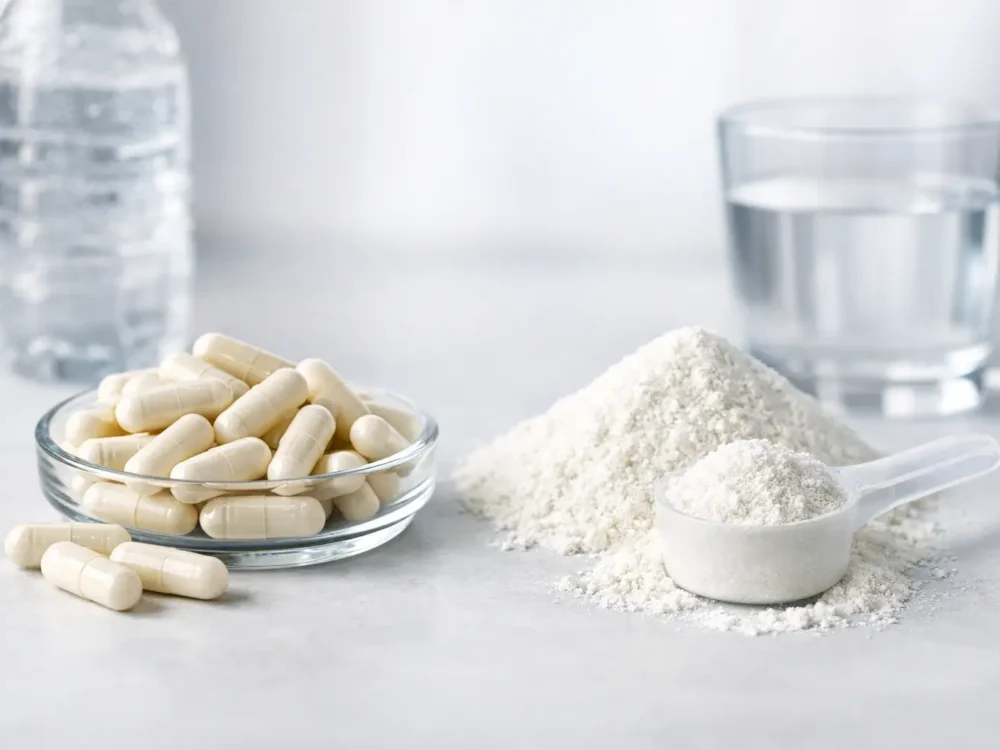
You do not notice your hydration strategy when it works. You notice it when your workout drags, your head starts pounding in the afternoon, or your legs feel heavy after a long run in Singapore heat. That is where the electrolyte capsules vs powder question gets practical fast. The right format can make daily hydration easier, more consistent, and better matched to how you actually live.
For most people, this is not a debate about which format is universally better. It is about which one you will use correctly and consistently. Capsules are built for speed, portability, and precision. Powder is built for flexibility, taste, and a more drink-forward hydration routine. Both can work well. The better pick depends on your schedule, sweat rate, taste preferences, and how much effort you want your hydration routine to require.
Electrolyte capsules vs powder: the real difference
At the core, both formats are designed to replenish minerals your body loses through sweat, activity, heat, and sometimes travel or a demanding workday. The usual focus is on sodium, potassium, magnesium, and sometimes calcium or chloride. What changes is the delivery format.
Capsules are swallowed with water. They are usually pre-measured, fast to pack, and easy to take without mixing anything. Powder is added to water, which means it turns hydration into a drink. That may sound like a small difference, but in real life it affects compliance, convenience, and how much fluid you actually consume.
If you often forget to drink enough water, powder may help because it creates a flavored routine that makes hydration more appealing. If you want zero mess and no prep, capsules usually win. That is the split most buyers should start with.
When electrolyte capsules make more sense
Capsules are a strong fit for busy professionals, gym-goers, and travelers who want hydration support without carrying a shaker or flavored drink packets around all day. You get a measured serving, no mixing, and no taste fatigue. That matters more than people think.
A lot of active adults say they want to stay on top of hydration, but what they really want is less friction. Capsules remove steps. You keep them in your bag, desk drawer, or car, take them with water, and move on. If you are rushing between meetings, commuting, or heading into a workout class, that simplicity is hard to beat.
Capsules can also be useful for people who do not like sweet drinks or are sensitive to flavoring. Some powders taste great at first and then become something you get tired of after two weeks. With capsules, there is no flavor commitment.
Another advantage is dosing consistency. Because the serving is fixed, it is easy to know what you are taking each time. That can be helpful if you are trying to build a repeatable routine around training, fasting, or hot-weather hydration.
The trade-off is obvious: capsules do not hydrate you by themselves. You still need to drink water with them, and enough of it. If you tend to take capsules and then forget the water, you are only solving half the problem.
When powder is the better option
Powder makes sense when you want electrolytes and fluid intake to happen together. That is especially useful during long workouts, outdoor sessions, or days when you are sweating heavily and need a bigger hydration push.
For some people, powder works simply because it tastes better than plain water. If that helps you finish a full bottle instead of sipping half and forgetting the rest, that is a real performance advantage. Compliance matters. The best hydration product is the one you will actually use.
Powder also gives you more room to adjust strength. Some people prefer a lighter mix for casual daily hydration and a stronger mix after intense sweating. That flexibility is a plus, especially if your activity level changes a lot from day to day.
There is also a practical side for endurance training. If you are running, cycling, or spending a long time outdoors, having your electrolytes already mixed into your bottle can be easier than carrying capsules and stopping to take them. In those moments, powder feels more integrated into the workout itself.
The downside is convenience. Powder can spill. Single-serve sticks help, but they still take more handling than a capsule bottle. Some formulas also include sweeteners, flavor systems, or extra ingredients that not everyone wants in a daily product.
Hydration performance: does one work faster?
In most cases, the difference is less about speed of absorption and more about how the product is used. Electrolytes need fluid to do their job well, so powder often feels faster because you are drinking water at the same time. Capsules can be just as effective if taken with enough water, but people sometimes underestimate how much fluid they need.
This is why format should match behavior. If powder helps you steadily drink 16 to 24 ounces of water, it may outperform capsules for you even if the ingredient profile is similar. If capsules help you stay consistent every single day while powders sit unopened in your kitchen, capsules are the better performer in real-world conditions.
Taste, sugar, and clean-label concerns
Taste is where powder usually has the edge, but it also comes with more variation. Some formulas are refreshingly light. Others are overly sweet, artificially flavored, or packed with unnecessary extras. If you care about clean ingredients, this is where label reading matters.
Capsules are often simpler. They can be appealing if you want a no-fuss formula without flavoring agents or sweeteners. For shoppers who prioritize vegan, non-GMO, and clean-label positioning, capsules often feel closer to that minimalist standard, though it still depends on the brand.
That said, powder is not automatically a worse choice. A well-formulated powder can still align with a clean wellness routine. The point is to check what else is in the tub or sachet, not just the electrolyte headline on the front of the pack.
Cost and value over time
If you compare electrolyte capsules vs powder on price alone, powder sometimes looks like the cheaper option per serving. But value is not just about sticker price. It is about waste, convenience, and whether the product fits your routine well enough to finish the container.
Capsules may cost more per serving, but they often reduce hassle and improve consistency. That can be worth it for people who want a grab-and-go option they will actually use. Powder may deliver better value if you train frequently, go through large water bottles daily, or want one product that covers both hydration and taste.
A simple rule helps here: if convenience is the main barrier, capsules are often worth paying for. If volume of hydration is the main goal, powder may offer more practical value.
Who should choose capsules and who should choose powder?
If your days are packed, you commute often, or you want a clean and portable format, capsules are usually the smarter buy. They fit neatly into a routine and remove most of the excuses. This is why they appeal to people who want performance support without turning hydration into a project.
If you are doing long training sessions, dislike plain water, or need help drinking more overall, powder is likely the better fit. It turns hydration into something more immediate and easier to repeat throughout the day.
There is also a middle ground. Some people do best with both. Capsules for travel, office hours, and convenience. Powder for workouts, hot days, and recovery. If that sounds like overkill, it is not. It is just format matching. The body does not care whether your electrolytes came from a capsule or a drink. It cares whether you replaced what you lost.
How to choose without overthinking it
Start with your biggest hydration problem. If your issue is forgetting to drink enough, choose a powder you enjoy drinking. If your issue is inconsistency because mixing feels annoying, choose capsules. If taste matters a lot, powder has the advantage. If portability matters most, capsules win.
Then check the formula. Look for meaningful electrolyte levels, especially sodium, rather than a label that leans on marketing terms but underdoses the minerals that actually matter. Keep the ingredient list aligned with your preferences, whether that means sugar-free, vegan, or a cleaner overall profile.
For shoppers who want convenience without sacrificing clean wellness standards, this is where modern formats have improved a lot. Brands like Sterling Nutrition have leaned into practical hydration options that fit real routines instead of idealized ones. That is the shift more people need – less supplement clutter, more products that are easy to stick with.
The smartest choice is usually the one that feels almost effortless on your busiest day. Pick the format that makes hydration easier when life is not perfectly organized, because that is when it matters most.