Currently Empty: $0.00

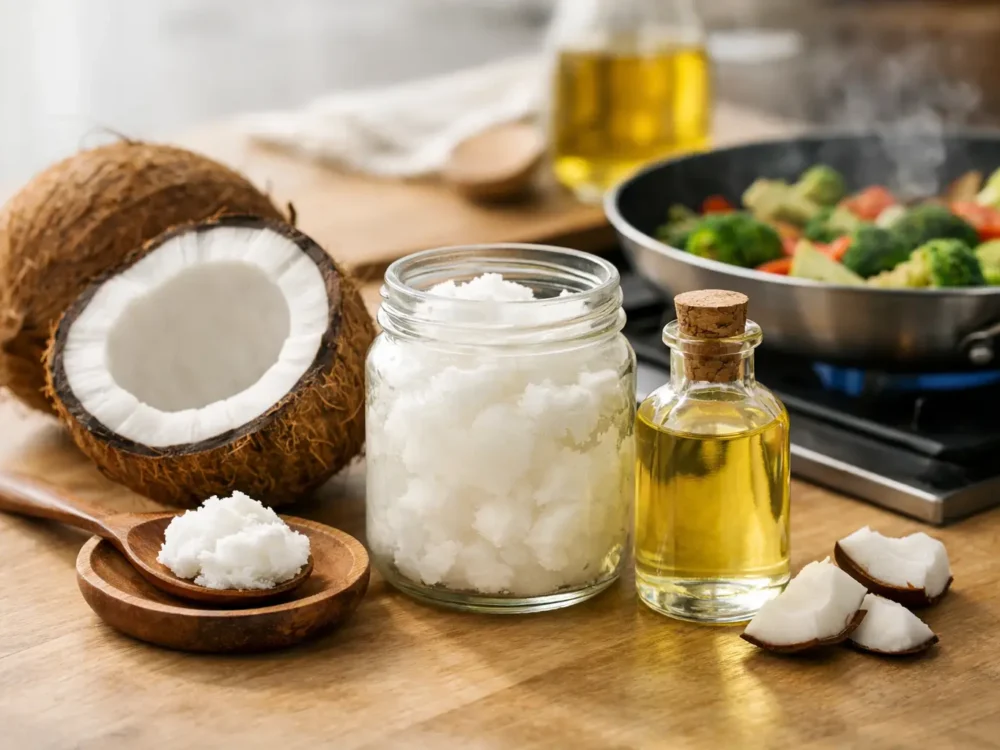
That first spoonful tells you almost everything. If the aroma is clean, lightly sweet, and fresh – not stale, waxy, or overly smoky – you are probably looking at a better option for best organic coconut oil cooking. For anyone trying to stock a healthier pantry without overcomplicating meals, coconut oil can be a smart staple. The catch is that not every jar performs the same once it hits a hot pan.
For busy households, fitness-minded cooks, and anyone who wants simple ingredients with multiple uses, organic coconut oil earns its place because it is practical. It works for sautéing, roasting, baking, and even quick breakfast prep. But choosing the right one comes down to more than seeing the word organic on the label.
What actually makes the best organic coconut oil cooking oil?
The best choice starts with processing. Extra virgin coconut oil is usually less refined and keeps more of the natural coconut aroma and flavor. That matters if you like a mild tropical note in oatmeal, pancakes, granola, curries, or baked goods. It may matter less if you want a completely neutral oil for eggs or stir-fry.
Organic certification is another key filter. It signals that the coconuts were grown and handled according to specific standards, which appeals to shoppers who care about cleaner sourcing. For many wellness-focused buyers, that is not just a marketing extra. It is part of reducing the guesswork.
Texture matters too. Good coconut oil should melt smoothly and look clear when warm, solid white when cool, and free from any gritty or separated appearance that suggests poor storage or lower quality handling. Packaging can also affect freshness. A well-sealed jar helps preserve flavor and consistency over time.
Refined vs extra virgin for best organic coconut oil cooking
This is where the decision becomes more personal. Extra virgin organic coconut oil is ideal if you want minimal processing and a natural coconut profile. It suits home cooks who enjoy flavor and use oil in recipes where taste still shows up, such as muffins, roasted vegetables, popcorn, or homemade energy bites.
Refined organic coconut oil usually has a lighter taste and higher heat tolerance, which can be helpful if you do not want any coconut flavor in your food. That said, some shoppers prefer to stay with extra virgin because it feels closer to the original ingredient. Neither choice is automatically better in every kitchen. It depends on what you cook most often.
If your weeknight routine includes high-heat searing, a refined version may be easier to work with. If you mostly bake, sauté, or use moderate heat, extra virgin often gives you more of the clean-label appeal people are looking for.
Smoke point matters, but not in the way people think
One of the biggest mistakes shoppers make is choosing oil based only on the highest possible smoke point. Yes, heat stability matters. But for most home cooking, you are not constantly pushing oil to extreme temperatures.
Organic coconut oil is generally well suited for medium-heat cooking and many everyday kitchen tasks. Think pan-cooking vegetables, scrambling eggs, baking protein bites, or greasing pans. If you regularly deep-fry or cook at very high heat, you may want to compare your options more carefully.
The more useful question is not, “What oil survives the hottest flame?” It is, “What oil fits the way I actually cook?” For most people, the best organic coconut oil cooking choice is the one that performs reliably across several meals without adding friction to the routine.
How to read the label without getting distracted
A good label should feel clear, not crowded. Look for terms like organic, extra virgin, cold-pressed, and unrefined if those qualities matter to you. Some shoppers also prefer non-GMO and cruelty-free signals because they align with a broader clean-living approach.
What you do not want is vague language that sounds healthy but says very little. Phrases like pure or natural can be fine, but they are stronger when backed by specifics. If a brand highlights sourcing, processing style, and product quality standards in plain language, that is usually a better sign than flashy claims alone.
It also helps to check whether the product is positioned for actual kitchen use, not just beauty or multipurpose use. Coconut oil can absolutely be versatile, but if your main goal is cooking, the product should be packaged and described with food use in mind.
Best uses for organic coconut oil in a real kitchen
A lot of oils sound useful in theory and then end up forgotten in the back of the cabinet. Coconut oil tends to stick around because it is easy to work into daily meals.
For breakfast, it is great for lightly greasing a skillet for eggs, pancakes, or French toast. In baking, it can replace butter or other oils in many recipes, especially if you like a slightly richer texture. In savory meals, it works well in curries, roasted sweet potatoes, rice dishes, and quick vegetable sautés.
It also fits the needs of people who meal prep. Because it is stable at room temperature in many climates, simple to measure, and easy to melt, it is low hassle. That matters when you are trying to eat better without turning dinner into a project.
If you are shopping for one pantry staple that can move from smoothie add-ins to sheet-pan dinners to homemade snacks, organic coconut oil is one of the more flexible options.
When coconut flavor is a plus – and when it is not
This is one of the real trade-offs. Some people love the subtle coconut aroma in food. Others want their cooking oil to disappear into the background.
If you are making banana bread, granola, oatmeal bakes, or tropical-style dishes, that hint of coconut can work beautifully. If you are cooking a very neutral dish or something where another flavor profile should dominate, the taste may feel out of place.
That is why there is no single best organic coconut oil cooking product for every person. The better question is whether you want flavor, neutrality, minimal processing, or higher heat flexibility. Once you know your priority, the right jar becomes much easier to choose.
Storage and freshness make a bigger difference than most people expect
Even a high-quality oil can disappoint if it is stored poorly. Keep coconut oil in a cool, dry place with the lid tightly closed. It will naturally shift between solid and liquid depending on room temperature, and that is normal. Texture changes do not usually mean the oil has gone bad.
What does matter is smell. If it starts to smell sour, stale, or noticeably off, it is time to replace it. Fresh coconut oil should smell clean and pleasant, even if the aroma is light.
If you cook often, buying a size you can realistically finish while it is still fresh is the smarter move. Bigger is not always better, especially if it sits untouched for months.
Is organic coconut oil a good fit for your routine?
For many shoppers, yes – especially if you value simple ingredients, multipurpose products, and easy daily habits. It is particularly appealing for people who already shop with a clean-label mindset and want pantry basics that match the same standards as their supplements or wellness products.
That said, coconut oil does not have to replace every other oil in your kitchen. It can be one useful tool among several. Olive oil, avocado oil, and coconut oil each have their place, and your cooking style should decide the mix.
If you want a pantry option that feels straightforward, works across sweet and savory meals, and supports a more intentional shopping routine, organic extra virgin coconut oil is a strong contender. A quality option from a wellness-focused brand like Sterling Nutrition can make that decision even easier by pairing kitchen usability with the purity cues shoppers already look for.
What to buy if you want the best organic coconut oil cooking experience
Choose a product that is organic, clearly labeled, and aligned with how you actually cook. If flavor matters, go extra virgin and unrefined. If neutrality matters more, a refined organic version may suit you better. Favor brands that keep the message simple and quality-focused rather than overloaded with vague promises.
The best jar is not the one with the most buzzwords. It is the one you reach for often because it works, tastes clean, and fits your routine without second-guessing every meal.
A good pantry does not need more confusion. It needs ingredients that earn their spot, and organic coconut oil does exactly that when you choose with purpose.