
Currently Empty: $0.00

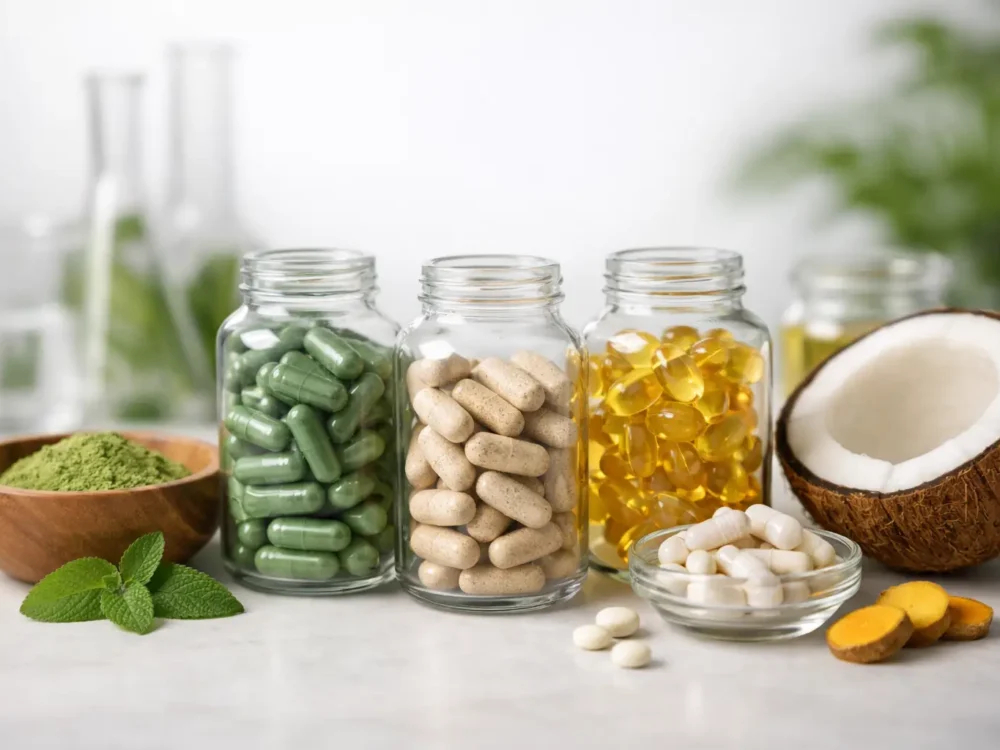
A short ingredient list used to be a nice bonus. Now it is often the first filter. That shift is exactly why clean label supplement trends matter in 2026, especially for shoppers who want everyday wellness products to feel easy, trustworthy, and worth reordering.
For a growing share of supplement buyers, clean label does not mean one thing. It means fewer fillers, recognizable ingredients, clearer sourcing, practical formats, and claims that hold up under scrutiny. It also means a product has to fit real life. A capsule that is easy to take daily, an effervescent that tastes good enough to finish, or a softgel that helps turn a wellness intention into a routine often wins over a product with a longer promise but more friction.
What clean label supplement trends really signal
The biggest shift is not cosmetic packaging or trend-driven wording. It is a change in what people use to judge value. Consumers are looking beyond a front-label benefit claim and asking sharper questions. What is actually inside? Why is each ingredient there? Is the formula free from things I am trying to avoid? Does the format make it easier to use consistently?
That makes clean label a trust signal, but also a performance signal. A product can look minimal and still fall short if the dosage is weak, the format is inconvenient, or the experience is poor. This is where many brands misread the market. Shoppers do not want less for the sake of less. They want formulas that feel intentional.
In practical terms, that means clean label supplement trends are pushing brands toward simpler formulations with a stronger reason for every ingredient, cleaner excipient choices, and product experiences that support repeat use.
The move toward fewer, more purposeful ingredients
One of the clearest clean label supplement trends is formula editing. Brands are cutting unnecessary additives, reducing artificial colors and flavors, and being more selective with binders, sweeteners, and stabilizers.
For consumers, that often creates a stronger sense of control. A shorter ingredient list is easier to evaluate, especially for shoppers who scan labels quickly on a product page. It lowers the mental load. That matters in online supplement shopping, where a buyer is comparing several products at once and wants fast clarity.
There is a trade-off, though. Removing certain additives can affect texture, taste, shelf stability, or manufacturing consistency. A cleaner label is not always easier to produce. This is why quality execution matters. If an effervescent tablet clumps, a capsule smells off, or a liquid oil becomes hard to use daily, the cleaner formula may not translate into a better customer experience.
The brands that stand out are the ones balancing purity with usability.
Format innovation is now part of the clean label story
A few years ago, clean label conversations focused heavily on ingredients alone. In 2026, format matters just as much. Convenience is no longer separate from wellness quality. It is part of it.
Busy adults want supplements that fit into a workday, gym bag, travel plan, or morning routine without hassle. That is why softgels, capsules, and effervescent formats continue gaining ground. They feel modern, controlled, and easier to maintain than messy or inconsistent alternatives.
This trend is especially strong in categories tied to daily repetition, such as hydration support, beauty-adjacent wellness, and general supplementation. If the format reduces friction, adherence goes up. And if adherence goes up, shoppers are more likely to feel results and reorder.
That does not mean every format works for every category. Some consumers still prefer liquid oils for multipurpose use, while others want the precision of softgels. Some enjoy effervescents because taste helps compliance, while others avoid them if sweeteners feel excessive. The lesson is simple: clean label now includes the delivery system. The best product is not only clean on paper but easy to use in real life.
Clean claims are getting more specific
Another major change is the shift from broad wellness language to proof-based product signals. Terms like natural and pure still carry weight, but shoppers increasingly look for more concrete markers such as vegan, cruelty-free, non-GMO, and organic.
These claims help reduce purchase risk, especially online. They also make products easier to compare. When a customer is choosing between two similar formulas, certification-style cues or clearly stated standards can become the deciding factor.
But there is a catch. The more brands rely on clean claims, the more consumers expect them to be meaningful. Vague labeling is easier to spot now. If a product uses a clean positioning strategy but hides a long list of additives in the supplement facts or uses language that feels inflated, trust drops fast.
That is why specificity matters. Shoppers want to know what a brand excludes, what it prioritizes, and how that supports daily use. Strong clean positioning is no longer about saying more. It is about proving more with less noise.
Traditional wellness ingredients are being reframed for modern routines
Many of the most interesting clean label supplement trends are not about brand-new ingredients. They are about familiar wellness staples being presented in more practical, consistent formats.
This is especially relevant for ingredients with a long traditional history. Consumers already recognize the appeal of remedies like black seed oil, apple cider vinegar, coconut oil, castor oil, moringa, and seed-based botanicals. What has changed is the expectation around how they should fit into a daily routine.
Modern shoppers want the benefit of traditional ingredients without the inconvenience that often came with older use patterns. Softgels help with consistency. Effervescent tablets improve taste and portability. Capsules offer a cleaner, easier way to incorporate niche wellness ingredients without measuring, mixing, or dealing with strong flavors.
That is where brands can create real value. Not by reinventing the ingredient itself, but by removing barriers to repeat use. Sterling Nutrition has leaned into that practical middle ground by pairing remedy-forward products with convenience-led formats that make daily wellness feel more realistic.
Taste, texture, and sensory experience are no longer secondary
Consumers may say they care most about ingredients, but behavior tells a fuller story. If a product tastes bad, smells unpleasant, or feels annoying to take, consistency slips.
This is why sensory experience is becoming central to clean label product design. Effervescents that are refreshing rather than medicinal, capsules that are easy to swallow, and oils that feel premium rather than heavy all have an advantage.
There is an important tension here. Improving taste often requires flavor systems or sweeteners, which can work against a clean label promise if handled poorly. Brands have to make careful choices. Sometimes the right answer is a lightly flavored product with a simple profile. Sometimes it is a no-frills format for shoppers who prefer minimalism over taste optimization.
It depends on the category and the customer. What matters most is transparency and fit. If a product is made for everyday hydration or routine compliance, pleasant taste can be part of the quality equation, not a compromise.
Shoppers want education, not ingredient theater
Consumers are better informed than they were a few years ago. They know that a clean-looking label does not automatically mean a better supplement. They are reading product pages, comparing serving forms, checking reviews, and looking for practical explanations.
That is why educational content matters more than ever. Not long lectures. Clear guidance. Why this format? Why this ingredient standard? What kind of user is it best for? What trade-offs should someone expect?
The brands winning here are the ones that teach without overcomplicating. They speak to a customer who wants to make a confident purchase quickly, not earn a chemistry degree. In a crowded market, that kind of clarity supports both trust and conversion.
What brands need to get right next
The next phase of clean label supplement trends will be less about bigger claims and more about tighter execution. Consumers want products that check four boxes at once: clean ingredients, credible standards, convenient delivery, and an experience that supports daily use.
Miss one, and the product feels incomplete. A clean formula with poor usability struggles. A convenient format with weak ingredient standards loses trust. A good claim without explanation starts to feel generic.
For supplement brands, this raises the bar but also creates opportunity. There is strong demand for wellness products that feel straightforward, modern, and easy to reorder. The market is rewarding formulas that respect both the ingredient-conscious shopper and the time-conscious shopper.
That is likely where the category keeps moving. Not toward the most complicated innovation, but toward cleaner, smarter products that do one job well and fit naturally into everyday life.
For shoppers, that is good news. The best clean label products are not asking you to overhaul your routine. They are making it easier to keep one.