
Currently Empty: $0.00

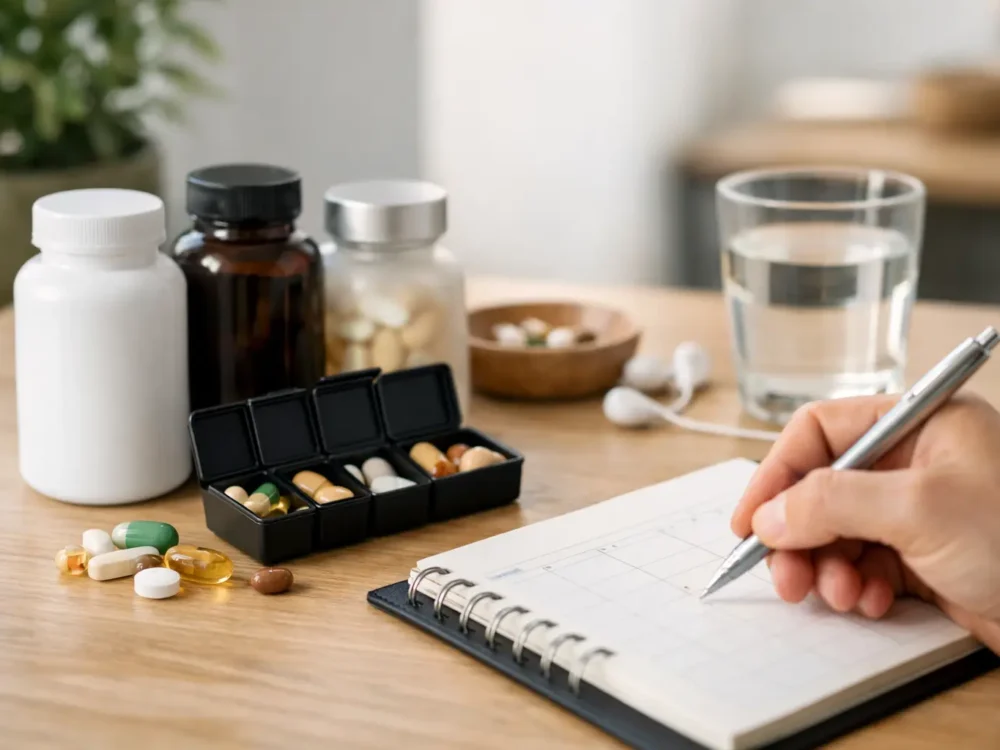
Most supplement routines fail for a simple reason – they ask too much, too soon. A cabinet full of capsules, powders, and tablets might look impressive, but if you forget half of them by day three, you do not have a routine. If you are wondering how to build supplement routine habits that actually last, the goal is not to take more. It is to create a setup you can repeat without thinking.
That matters whether you are trying to support hydration, recovery, digestion, energy, or everyday wellness. The best routine is not the most advanced one. It is the one that fits your real life, your meals, your training schedule, and your budget.
How to Build Supplement Routine Around Your Goal
Start with one clear outcome. Not five. Not a vague plan to be healthier. A real, usable goal such as better workout hydration, easier digestion after meals, more consistent daily nutrient support, or a simpler beauty-and-wellness routine.
This step sounds basic, but it changes everything. When people buy supplements without a clear purpose, they usually end up stacking products that overlap, compete for attention, or create unnecessary friction. A hydration-focused routine looks different from a skin-and-hair routine. A travel-friendly setup looks different from a home-based one. Once the goal is clear, your supplement choices become easier and more practical.
For example, someone who trains several times a week and sweats heavily may prioritize electrolytes in a format that is easy to carry and easy to remember. A busy professional who skips breakfast may need a simpler once-daily option that does not depend on a perfect meal schedule. A person who wants to add traditional wellness support may prefer softgels or effervescent formats over oils and powders if convenience is the deciding factor.
The point is not to chase trends. It is to match the format to the habit.
Audit Your Current Routine Before You Add Anything
Before buying new products, look at what you already do every day. This is where good routines are built.
Ask yourself a few practical questions. When do you reliably eat? Do you already drink water first thing in the morning? Do you go straight from work to the gym? Are you good at taking capsules, or do you avoid them? Do you travel often? If a product requires refrigeration, mixing, or precise timing, will you actually keep up with it?
A supplement routine should reduce friction, not create more of it. If your mornings are rushed, do not build a six-step morning stack. If you always keep a water bottle at your desk, that may be the best place to anchor hydration tablets or electrolyte capsules. If you already have an evening skincare or wind-down habit, that may be the right time to pair with another wellness product.
This is also the moment to check for redundancy. Many people unknowingly double up on similar ingredients across multiple products. More is not automatically better, and overlap can make it harder to tell what is helping.
Start Small, Then Layer In
A common mistake is launching a full routine on day one. That looks motivated, but it rarely lasts.
A better move is to begin with one or two products tied to a specific habit. If your goal is hydration and recovery, you might start with an electrolyte product on training days. If your goal is everyday consistency, a simple daily softgel may be easier to maintain than a loose oil or powder. If your goal is digestive support around meals, an easy portable format can make adherence much higher.
Give that first step at least two weeks before adding anything else. This does two useful things. First, it makes the routine easier to remember. Second, it lets you notice whether the product actually fits your body and schedule.
There is always a trade-off here. More products can feel more comprehensive, but they also increase cost, complexity, and the chances that you stop altogether. In most cases, a focused routine beats an ambitious one.
Choose Formats You Will Actually Use
This is where a lot of supplement advice gets unrealistic. People talk about ideal ingredients but ignore delivery format, and format is often the difference between consistency and wasted money.
If you dislike swallowing large capsules, do not force yourself into a capsule-heavy routine. If you want something fast and portable, effervescent tablets may be easier to keep in a bag or desk drawer. If you prefer a no-mess option, softgels can make traditional wellness staples much simpler to take daily. If taste matters, convenience formats often improve compliance because they feel less like a chore.
This is one reason modern supplement routines have shifted toward capsules, softgels, and effervescents. They fit busy schedules better. For many adults, ease is not a bonus feature. It is the feature.
Sterling Nutrition leans into that practical side of wellness – offering familiar staples in convenience-first formats that support everyday use instead of occasional use. That matters because the best product on paper still needs to fit your routine in real life.
Use Meals, Water, and Existing Habits as Anchors
The easiest way to make a routine stick is to attach it to something you already do.
Taking supplements at a completely new time of day sounds manageable until life gets busy. Anchoring works better. Pair your routine with breakfast, your post-workout water bottle, your lunch break, or your evening kitchen cleanup. The more automatic the trigger, the less mental effort the routine requires.
Hydration products naturally pair with water intake and exercise. Effervescents often work well in the morning or during the afternoon slump because they are easy to notice and easy to enjoy. Softgels usually fit well with meals. Oils may work best when connected to food prep or a regular personal care ritual, depending on intended use.
If you need a simple rule, use this one: never rely on memory when you can rely on a habit.
How to Build Supplement Routine Safely
Safety is not the flashy part of wellness content, but it is the part that protects you from bad decisions.
Read labels carefully. Check serving sizes, ingredient amounts, and suggested use. If you take medications, have a health condition, are pregnant, or are managing a specific medical concern, it is smart to speak with a qualified healthcare professional before adding new supplements. That is especially true if you are combining several products.
It also helps to introduce one new supplement at a time. That way, if something does not agree with you, you can identify the likely cause without guessing. This is not about being overly cautious. It is just practical.
Quality matters too. Many shoppers now look for clean-label cues like non-GMO, vegan, cruelty-free, organic, and natural ingredient positioning because these markers help simplify decision-making. They are not a replacement for reading the label, but they can be a useful filter when comparing products.
Track What Matters, Not Everything
You do not need a complicated spreadsheet. You do need a way to tell whether your routine is working.
Pick two or three markers tied to your original goal. If hydration is your focus, that could be energy during workouts, cramping, or how you feel after sweating. If digestion is your focus, pay attention to consistency and comfort around meals. If your goal is daily wellness support, the first thing to track might simply be adherence – did you take it consistently for the last two weeks?
This part requires some honesty. Supplements are not magic, and not every benefit shows up overnight. Some products may support long-term habits more than immediate sensations. Others may feel useful quickly but not justify the cost over time. That is normal. A smart routine gets adjusted.
Keep the Routine Lean Enough to Reorder
A supplement plan is only sustainable if you can maintain it. That includes cost.
When building your stack, think beyond the first purchase. Can you afford to restock it monthly or regularly enough to stay consistent? Would a bundle or repeat-purchase discount make it easier to keep going? Is every item earning its place, or are one or two products carrying most of the value?
This is where many shoppers benefit from trimming back. A lean, high-use routine often produces better long-term consistency than a larger stack filled with good intentions. Convenience matters, but affordability matters too. If your routine feels expensive and complicated, it will always be the first thing to get dropped.
Build for Your Real Week, Not Your Ideal Week
Your routine should survive Monday meetings, missed workouts, travel days, late dinners, and low-motivation weeks. That is the real test.
So keep it flexible. Maybe you use electrolytes only on workout days or high-sweat days instead of forcing them daily. Maybe your core routine stays the same, while optional products rotate based on season, stress, training load, or lifestyle changes. Maybe you keep one travel-friendly version and one home version. A rigid plan often breaks. A well-built one adapts.
If you are still figuring out how to build supplement routine habits that last, think less like a biohacker and more like a systems designer. Choose fewer products, better formats, clearer triggers, and a realistic budget. Then give the routine enough time to become automatic.
The right routine should feel less like another task on your list and more like something your day was already built to support.