Currently Empty: $0.00

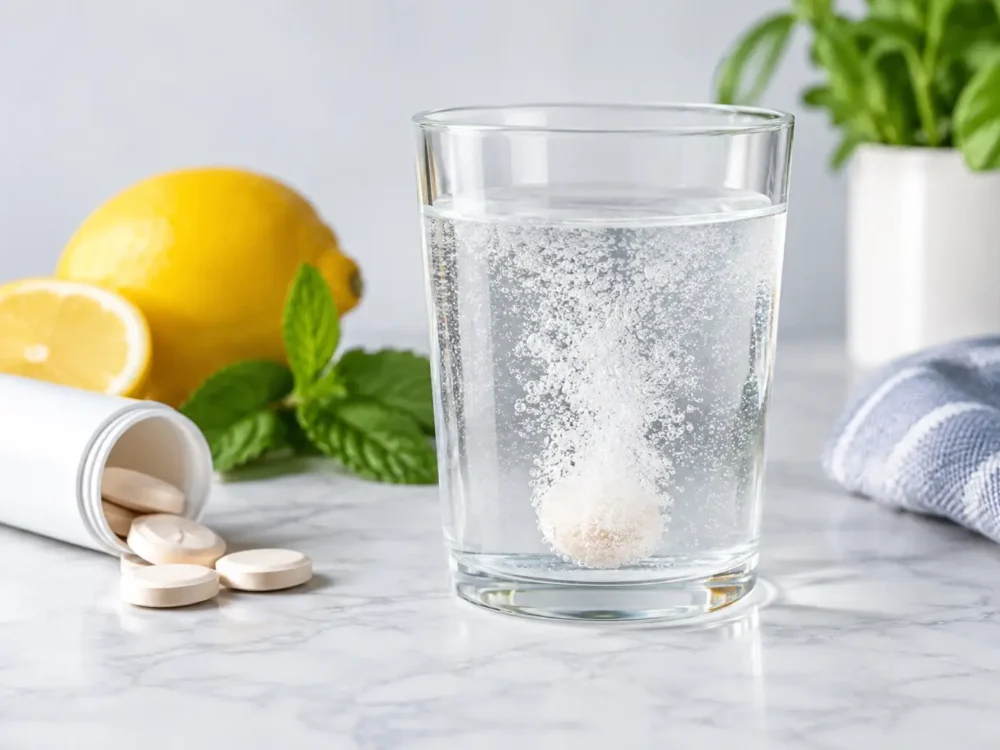
A fizzy tablet can make hydration, vitamins, or electrolytes feel far easier to remember. But are effervescent supplements sugar free? Sometimes, yes. Sometimes, no. The only reliable answer is on the Nutrition Facts panel and ingredient list, because effervescence itself says nothing about how a product is sweetened.
For people building a cleaner daily routine, the distinction matters. A tablet can be vegan, convenient, and great-tasting while still containing added sugar, fruit powder, or a sweetener you would rather avoid. Here is how to read the label with confidence before the bubbles hit your glass.
Are Effervescent Supplements Sugar Free by Default?
No. Effervescent supplements are not automatically sugar free. The fizz comes from a simple reaction: an acid, often citric acid, meets a carbonate or bicarbonate when the tablet dissolves in water. That reaction creates carbon dioxide bubbles. Sugar has no essential role in it.
Manufacturers may add sugar for sweetness, flavor balance, mouthfeel, or to make a tart formula more enjoyable. Others use alternative sweeteners or keep the flavor profile relatively unsweetened. This is why two products that look nearly identical on the shelf can have very different nutrition labels.
In the United States, a product labeled “sugar free” generally must contain less than 0.5 grams of sugar per labeled serving. That can be useful for comparison, but it does not mean every ingredient is neutral for every routine. A sugar-free tablet may contain sugar alcohols, non-nutritive sweeteners, sodium, or acids that some people prefer to limit.
Sugar Free, No Added Sugar, and Unsweetened Are Different
These claims sound similar, but they answer different questions.
Sugar free refers to the amount of sugar per serving. It does not automatically mean calorie-free, carbohydrate-free, naturally sweetened, or free from sugar substitutes.
No added sugar means the manufacturer has not added sugars during processing. The product may still contain sugars that occur naturally in ingredients such as fruit powders or juice concentrates.
Unsweetened usually indicates no sweetener has been used, but the exact meaning can depend on the product category and label wording. It is still worth checking the panel rather than relying on front-label language alone.
For a fast, practical decision, look first at total sugars and added sugars. Then scan the ingredient list to see what is creating the taste. That two-step check gives you a much clearer picture than a bold claim on the tube.
What to Look for on an Effervescent Supplement Label
Start with serving size. One brand may call one tablet a serving, while another may recommend two. Sugar and sodium numbers only make sense when you compare the same real-world amount.
Next, check total sugars and added sugars on the Nutrition Facts panel. If your goal is a genuinely low-sugar daily option, look for zero grams listed for both, then verify the claim elsewhere on the packaging. For athletes using a product during extended training, a small amount of carbohydrate may be intentional. For desk-day hydration or a general wellness routine, it may be unnecessary.
The ingredient list tells the rest of the story. Added sugar can appear as cane sugar, glucose, dextrose, sucrose, syrup, maltodextrin, honey, or fruit juice concentrate. A product does not need to taste intensely sweet to contain one of these ingredients.
Also notice alternative sweeteners. Common options include stevia, monk fruit extract, sucralose, acesulfame potassium, erythritol, xylitol, and sorbitol. There is no universal best choice. Stevia or monk fruit may appeal to shoppers looking for plant-derived sweetness, while some people prefer to avoid a lingering aftertaste. Sugar alcohols can cause bloating or digestive discomfort in sensitive people, especially when used frequently or in higher amounts.
Finally, check sodium. Effervescent electrolyte tablets can be a smart, portable way to replenish minerals after heat exposure, sweating, travel, or a demanding workout. Sodium is often a key part of that function. But if you are managing high blood pressure, kidney disease, or a medically prescribed sodium limit, compare products carefully and ask a qualified health professional what fits your needs.
Do Acid and Fizz Matter?
They can. Citric acid and carbonation make a drink bright, refreshing, and easy to sip, especially when plain water feels boring. For most people, that is simply part of the experience.
However, frequent acidic drinks may be worth considering if you have sensitive teeth, reflux, or recurring mouth irritation. Dissolving tablets in the recommended amount of water, drinking rather than slowly sipping all day, and following with plain water can be practical habits. If you have dental concerns, ask your dentist for individualized advice.
When Sugar Can Be Useful in an Electrolyte Drink
The goal is not to treat sugar as automatically bad. Context matters.
During long endurance sessions, intense heat, or illness-related fluid loss, glucose can help support fluid absorption in the intestine when paired appropriately with sodium. In those situations, a drink containing carbohydrate may have a functional purpose beyond flavor. That is very different from choosing a sweetened vitamin tablet for a light afternoon pick-me-up.
For most everyday users, the better question is: what do you need this product to do? If you want convenient minerals for a moderate workout, commuting in hot weather, or improving your water habit, a sugar-free effervescent electrolyte option may fit well. If you are fueling a long run, cycling event, or physically demanding shift, a product with carbohydrates could be the more appropriate tool.
This is why clean-label shopping should be specific, not performative. Choose the formula that matches your activity, your dietary preferences, and the rest of your day.
A Better Way to Choose Your Daily Tablet
A well-chosen effervescent supplement should make your routine easier, not create more guesswork. Prioritize the nutrient profile first. With electrolytes, look at sodium, potassium, magnesium, and any other minerals included. With vitamins or specialty wellness formulas, verify the active ingredients and serving amounts rather than focusing only on flavor.
Then decide how you want it sweetened, if at all. A sugar-free formula can be a strong fit for people monitoring sugar intake, following a lower-carb eating style, or simply trying to avoid unnecessary added sugars. If you are sensitive to certain sweeteners, choose a formula with an ingredient list you recognize and tolerate well.
Quality markers still matter. Look for clear labeling, sensible serving instructions, and products that communicate their dietary attributes directly, such as vegan, non-GMO, or natural-ingredient positioning when those align with your priorities. Convenience is valuable only when it comes with transparency.
At Sterling Nutrition, the appeal of an effervescent format is straightforward: it turns a supplement habit into a refreshing drink without adding another complicated step to the day. The best choice is not necessarily the sweetest, trendiest, or most heavily marketed tube. It is the one with a label that supports your actual routine.
Before adding any fizzy tablet to your cart, take 30 seconds to compare total sugar, added sugar, sweeteners, sodium, and serving size. A clear label makes it easier to keep the fizz, enjoy the flavor, and stay in control of what goes into your glass.