Currently Empty: $0.00

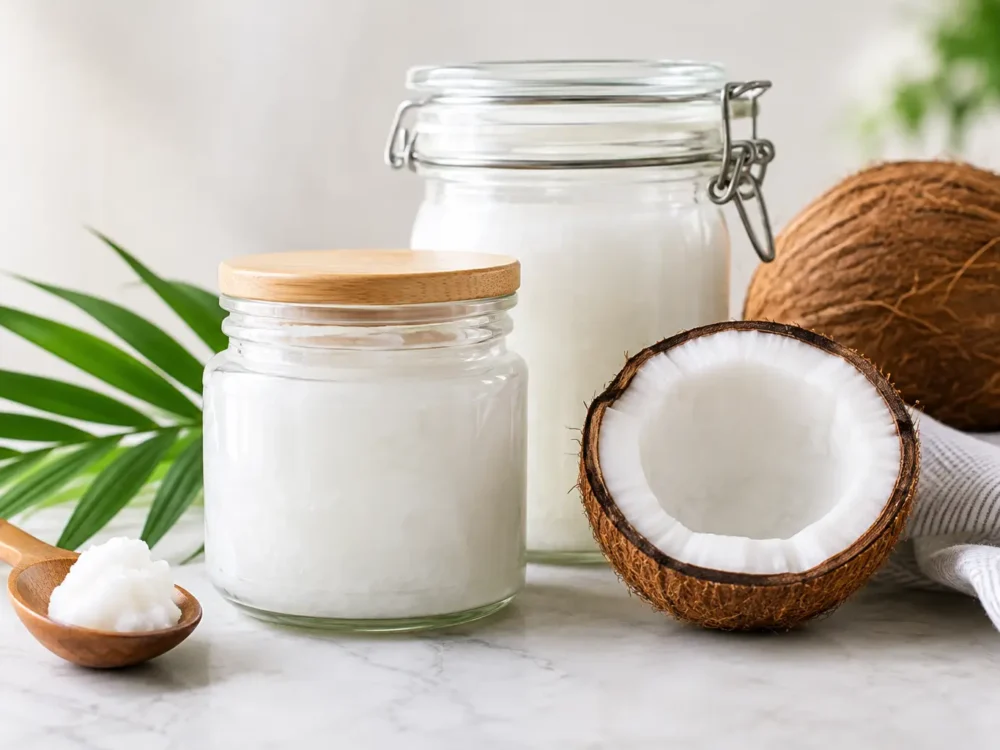
Coconut oil is wonderfully low-maintenance, but the way you store it still affects how fresh, clean, and convenient it feels in your daily routine. Knowing how to store coconut oil helps protect its mild aroma, smooth texture, and multipurpose benefits – whether it is your go-to cooking fat, a hair-conditioning staple, or a simple addition to your skin care shelf.
The good news: extra virgin coconut oil is naturally more stable than many other oils because it is rich in saturated fats. It does not need complicated storage or special equipment. A cool, dry cupboard, a clean lid, and sensible handling are usually all it takes.
The Best Way to Store Coconut Oil
Store coconut oil in a tightly sealed container away from direct sunlight, excess heat, moisture, and strong odors. A pantry, cabinet, or shaded countertop area is ideal for most households.
For daily use, aim for a location with a relatively consistent temperature. Repeated swings between a hot kitchen and a cold air-conditioned room will not automatically ruin the oil, but they can make its texture less predictable. Coconut oil naturally melts at around 76°F, so it may turn liquid on warm days and solidify again when temperatures drop.
That change is normal. It does not mean your coconut oil has spoiled or lost its quality.
If you use coconut oil for cooking, keep the jar in a cupboard near your cooking area, but not directly beside the stove, oven, or sunny window. If you use it for hair or skin, a bathroom cabinet can work well, provided the space is not constantly steamy or hot after showers.
Should Coconut Oil Be Refrigerated?
Refrigeration is optional, not required. Most unopened and opened jars of coconut oil stay fresh at room temperature when stored correctly.
Putting coconut oil in the refrigerator will keep it very firm, which can make it frustrating to scoop. For people who use it every day in smoothies, coffee, cooking, or body care, room-temperature storage is usually far more practical.
Refrigeration can make sense if your home stays very hot for long periods, if you have bought a large jar you will not finish soon, or if you simply prefer a firmer texture. Just remember that cold coconut oil can become hard enough that you may need to leave it out briefly before using it.
Freezing is rarely necessary. Coconut oil has good shelf stability on its own, and freezing creates an extra step without providing much benefit for typical household use.
Liquid or Solid: Both Forms Are Fine
A clear liquid jar on a warm day can surprise first-time buyers, especially when they are used to seeing coconut oil as a white solid. There is no need to worry. Coconut oil moves between solid and liquid states based on temperature.
A fully melted jar can be especially convenient for pouring into recipes or blending into a homemade hair mask. A solid jar is easier to measure with a spoon and less likely to spill. Neither form is automatically better. Choose storage based on how you use it most often.
Avoid shaking or stirring the oil unnecessarily while it is melting and solidifying. It will naturally reset as it cools. If the texture looks slightly grainy after temperature changes, that is typically a texture issue rather than a freshness issue.
Keep Water and Contaminants Out of the Jar
The biggest storage mistake is introducing moisture or food particles into the container. Coconut oil is resilient, but a wet spoon, damp fingers, or crumbs from cooking can compromise the cleanliness of the jar over time.
Use a clean, dry spoon whenever you scoop coconut oil for food. If you use the same product for both cooking and personal care, consider portioning some into a smaller, clearly labeled container. This simple habit helps keep your main jar cleaner and more versatile.
For topical use, avoid dipping directly into the jar with wet hands after a shower. Instead, dry your hands first or use a clean spatula. This is especially helpful if you keep coconut oil in the bathroom, where humidity can build up quickly.
The lid matters too. Close it securely after each use to reduce exposure to air, dust, moisture, and kitchen odors. Coconut oil can pick up strong smells when left open near spices, onions, or fragranced cleaning products.
Choose the Right Container and Location
Most quality coconut oils come in glass jars or food-safe containers designed for storage. There is usually no reason to transfer the oil unless the original packaging is damaged or inconvenient for your routine.
Dark glass offers extra protection from light, but an opaque cabinet does the same job for a clear glass jar. What matters most is keeping the container out of prolonged direct sunlight.
A good storage setup has three qualities: it is dry, shaded, and easy to reach. When a wellness staple is placed where you will actually use it, consistency becomes much easier. Keep your cooking jar near your pantry ingredients, or place a small personal-care jar with the products you use after washing your hair or skin.
If you buy in larger quantities to save money, do not leave an unopened backup jar in a car, garage, or outdoor storage space. Those places can become extremely hot, and uneven temperatures are harder on the product than a stable indoor cupboard.
How Long Does Coconut Oil Last?
Coconut oil generally has a long shelf life, often around two years or more when properly sealed and stored. Always check the best-by date on your specific jar, since processing methods, packaging, and added ingredients can vary.
Extra virgin coconut oil is made from fresh coconut meat and is valued for its naturally pleasant coconut aroma and flavor. For the best experience, use it regularly rather than treating it as a product to save indefinitely. Its everyday versatility makes this easy: sauté vegetables, blend a spoonful into a recipe, smooth a small amount onto dry hair ends, or use it as part of a simple body care routine.
Once opened, freshness depends less on the calendar and more on how you handle it. A tightly closed jar stored in a cool, dry place can remain in excellent condition for a long time.
Signs Your Coconut Oil May Be Past Its Best
Check your coconut oil before use if it has been stored in a very warm place, exposed to moisture, or sitting open for extended periods. Fresh coconut oil should smell mild, clean, and lightly coconut-like, especially in virgin varieties.
Discard it if you notice a sharp sour smell, a stale or rancid odor, visible mold, unusual discoloration, or signs of contamination. Texture changes alone are not usually a reason to throw it away. Coconut oil can look fully liquid, soft, solid, or slightly grainy depending on temperature.
When in doubt, trust your senses. If it no longer smells or looks clean, replace it.
Storage Tips for Cooking, Hair, and Skin Use
One jar can support several routines, but separating uses can be smart. For cooking, keep coconut oil in the kitchen and use a dry utensil. For hair and skin, store a small amount in a clean secondary container so it is ready for quick application without bringing bathroom moisture into your food-use jar.
For a simple hair routine, warm a small amount between clean palms before applying it to the lengths and ends. There is no need to heat the whole jar. For dry skin, use a thin layer on slightly damp skin to help lock in moisture, then close the container promptly.
If you prefer a clean-label pantry and personal-care staple, choose extra virgin coconut oil with straightforward ingredients and reliable packaging. Quality begins with the oil itself, but proper storage is what keeps that quality working for your routine.
A well-stored jar of coconut oil should feel effortless: clean to scoop, pleasant to use, and ready whenever your kitchen or self-care routine calls for it.