Currently Empty: $0.00

A hard session does not end when the last rep is done. If your shirt is soaked, your mouth feels dry, or you finish training in summer heat, what you drink afterward can shape how you feel for the rest of the day. The best post workout hydration supplements replace what sweat took out without turning recovery into an overly complicated routine.
For many workouts, plain water and a balanced meal are enough. But when training is long, hot, high-intensity, or especially sweaty, targeted hydration support can be a practical upgrade. The right choice depends on your sweat loss, training duration, diet, and how quickly you need to recover before your next session.
What Makes the Best Post Workout Hydration Supplements?
A useful recovery drink does more than taste refreshing. It should help restore fluid balance, provide electrolytes when they are actually needed, and fit easily into your routine. Sodium is the key electrolyte lost in sweat, while potassium, magnesium, and chloride also support normal fluid balance and muscle function.
The best formula is not automatically the one with the longest label. Very high doses of every mineral are not necessary after a light gym session, and some products contain more sugar or stimulants than recovery requires. Look for a transparent label, sensible serving size, and a format you will use consistently.
1. Electrolyte Effervescent Tablets
Effervescent electrolyte tablets are one of the easiest options for everyday exercisers. Drop one into water after training, and you get a flavored drink that may make it easier to drink enough fluid than you would with plain water alone.
They are especially useful after outdoor runs, spin classes, racquet sports, or gym sessions where you sweat heavily. Choose a tablet with sodium as a meaningful part of the formula, not just a trace ingredient listed for marketing. If you are watching added sugar, an effervescent tablet with little or no added sugar can be a smart fit.
The trade-off is simple: tablets are convenient, but they do not replace the calories needed after demanding endurance work. Pair them with a meal or snack when your workout has significantly depleted your energy stores.
2. Electrolyte Capsules for Low-Sugar Convenience
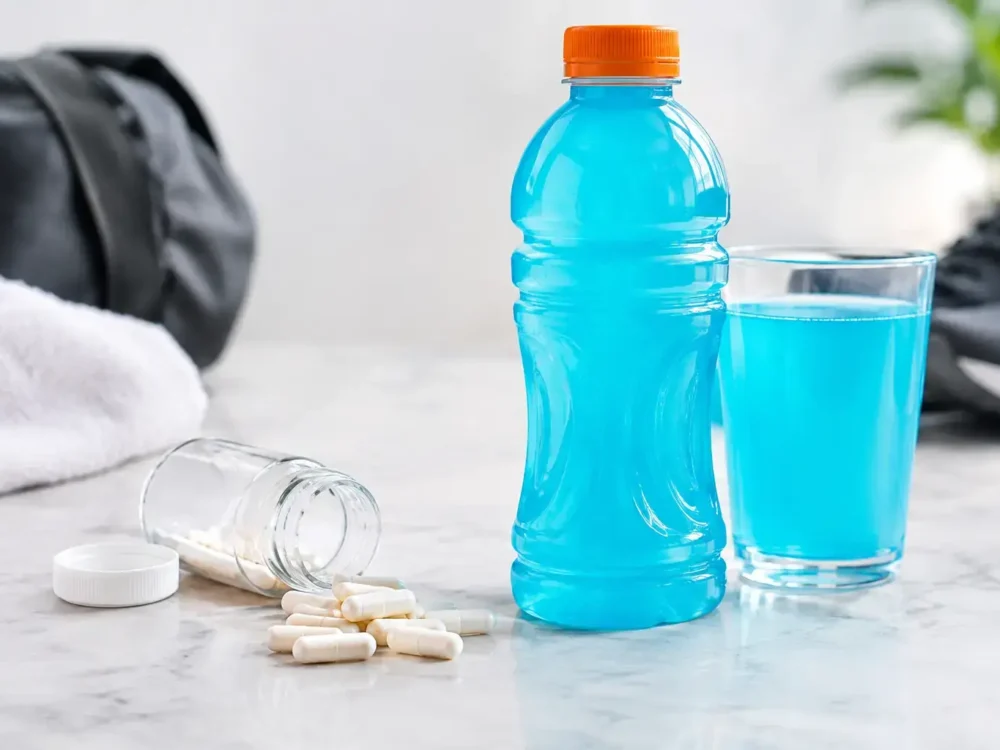
Electrolyte capsules suit people who do not want a sweet post-workout drink or who already have water on hand. They are compact, travel-friendly, and easy to keep in a gym bag, desk drawer, or running belt.
Because capsules do not provide fluid on their own, they only work when taken with enough water. That makes them a strong choice for people who prefer control over how much they drink, but less helpful for anyone who routinely forgets to rehydrate after training. Think of capsules as mineral support, not a substitute for the bottle of water beside them.
For hot-weather training, a capsule can also be a clean, practical option when you have already had enough flavored drinks that day.
3. Sodium-Forward Electrolyte Powders
Not everyone loses the same amount of sodium. Some athletes finish workouts with white salt marks on their clothing, experience cramping alongside heavy sweat loss, or lose a noticeable amount of body weight during long sessions. These people may benefit from a sodium-forward electrolyte powder.
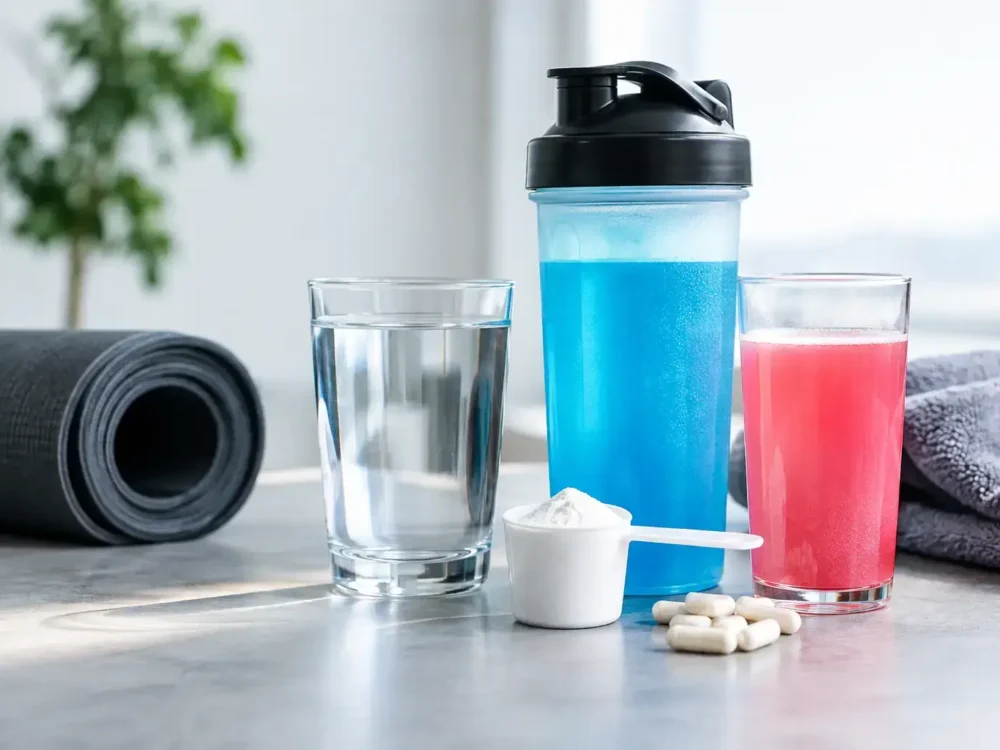
Powders often make it easier to adjust concentration. You can use more water for a lighter drink or follow the full serving when conditions are demanding. This flexibility is valuable for long runs, cycling, hiking, team sports, and repeated training sessions.
More sodium is not automatically better. If you have high blood pressure, kidney disease, heart disease, or have been advised to limit sodium, get personal guidance from a qualified clinician before using high-sodium products regularly.
4. Carbohydrate-Electrolyte Drinks for Endurance Recovery
After 60 to 90 minutes of continuous hard exercise, especially if another workout is coming soon, carbohydrates can earn a place in your hydration plan. Carbohydrate-electrolyte drinks help replenish fluid while beginning to restore glycogen, the stored carbohydrate your muscles use during exercise.
This option is most useful for endurance athletes, field-sport players, and anyone completing long or double-session training days. It is usually unnecessary after a 30-minute strength workout followed by a normal meal.
The key is matching the drink to the workload. If your goal is fat loss or you are simply finishing an easy workout, a high-calorie sports drink may add more energy than you need. On the other hand, avoiding carbs after a punishing two-hour ride can leave you flat for the next day’s training.
5. Protein and Electrolyte Recovery Blends
Protein supports muscle repair, but it is not a hydration supplement by itself. A protein-and-electrolyte blend can be convenient after strength training or after workouts that combine lifting with conditioning, particularly when a full meal is not available right away.
Aim for a formula that gives a useful protein serving without burying it under unnecessary fillers. Then drink additional water based on your thirst and the conditions of your workout. Protein shakes can feel filling, which is helpful for some people but can make it harder to drink enough fluid immediately after intense heat exposure.
If you already plan to eat Greek yogurt, eggs, chicken, tofu, or another protein-rich meal within a couple of hours, a separate electrolyte tablet or capsule may be all you need for hydration.
6. Magnesium-Containing Electrolytes for Everyday Support
Magnesium is involved in normal muscle and nerve function, and it appears in many electrolyte formulas. It can be a useful part of a balanced product, particularly for people whose diets are low in magnesium-rich foods such as nuts, beans, leafy greens, and whole grains.
Still, do not choose an electrolyte solely because it contains an oversized magnesium dose. Too much supplemental magnesium can cause digestive discomfort, which is the last thing you want after training. A balanced formula with sodium, potassium, and magnesium is often more practical than treating one mineral as the entire answer.
7. Oral Rehydration Solutions for Significant Fluid Loss
Oral rehydration solutions are formulated with specific amounts of sodium and glucose to support fluid absorption. They are useful when sweat loss is extreme or when dehydration is made worse by illness, travel, or gastrointestinal upset.
This is not the everyday choice for a casual gym visit. It is a targeted tool for situations where you need more structured rehydration support. If you feel confused, faint, persistently nauseated, unable to keep fluids down, or have a racing heartbeat after exercise, stop training and seek medical care rather than trying to self-manage with supplements.
How to Choose a Post-Workout Hydration Formula
Start with the workout, not the product trend. A moderate 45-minute indoor strength session usually calls for water, a normal meal, and perhaps a light electrolyte tablet if you sweat a lot. A long run in heat, hard cycling session, or tournament day may call for a higher-sodium formula and carbohydrates.
Check the label for sodium first, then consider sugar, flavor, and format. Effervescent tablets work well for people who want a refreshing routine. Capsules are ideal when you want portable, low-sugar support. Powders are useful when you need serving flexibility or higher electrolyte amounts.
Clean-label priorities matter, too. If vegan, non-GMO, natural-ingredient, or cruelty-free standards are part of your wellness routine, verify them on the package rather than assuming every electrolyte product meets them. A simple formula with clear ingredient amounts makes it easier to choose confidently.
A Simple Post-Workout Hydration Routine
Within the first hour after exercise, drink according to thirst and replace fluids steadily rather than forcing down a huge amount at once. Add electrolytes when sweat loss was substantial, conditions were hot or humid, or you are training again soon. Eat a balanced meal with carbohydrates, protein, and naturally mineral-rich foods to complete the recovery picture.
A practical check is your urine color later in the day. Pale yellow generally suggests you are moving in the right direction, while consistently dark urine may signal that you need more fluids. Clear urine all day is not the goal either, since overdrinking plain water can dilute blood sodium in rare but serious cases.
The best choice is the one that matches your session and becomes easy to repeat. Keep water within reach, choose an electrolyte format you genuinely enjoy, and let your recovery routine support tomorrow’s workout as much as today’s.