Currently Empty: $0.00

A few drops can make hair look polished – or leave it flat, coated, and ready for another wash. That is why castor oil versus hair serums is not really a question of which product is better. It is a question of what your hair needs right now: richer conditioning, instant finish, scalp-focused care, frizz control, or heat styling support.
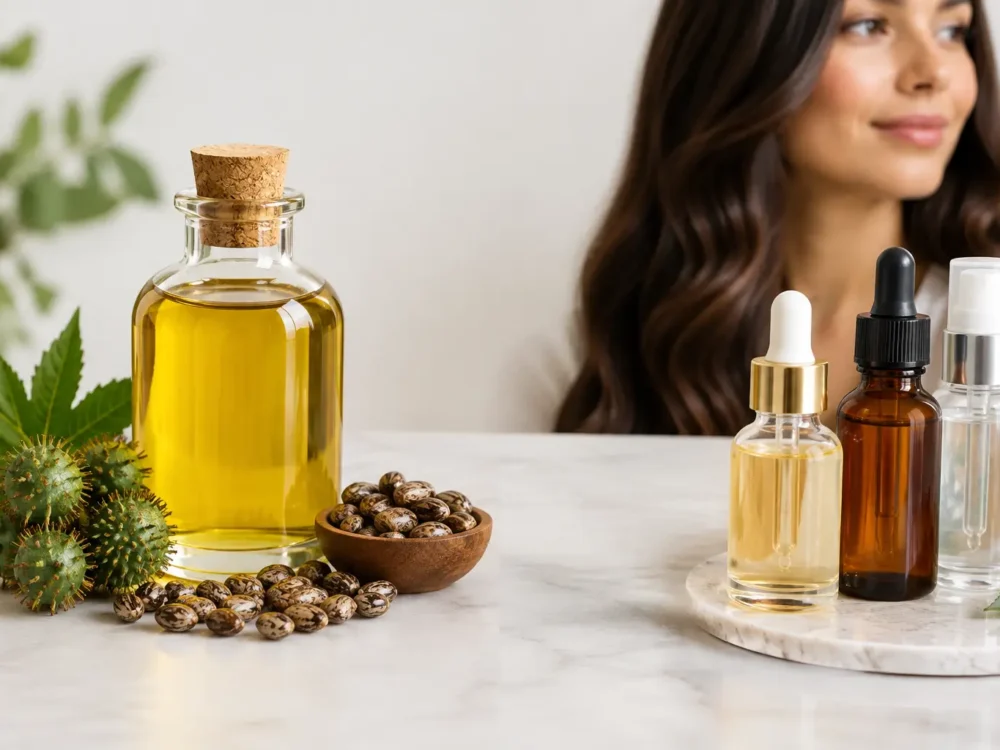
Castor oil is a traditional, plant-based oil with a thick texture and a simple ingredient profile. Hair serums are usually lightweight leave-in formulas designed to improve manageability and appearance, often using silicones, plant oils, conditioning agents, or heat-protective ingredients. Both can earn a place in a practical hair routine, but they perform very differently.
Castor Oil Versus Hair Serums: The Real Difference
Castor oil is primarily an occlusive emollient. In plain terms, it coats the hair shaft to reduce the feeling of dryness and help hair retain moisture that is already there. Its naturally dense consistency makes it especially useful on dry ends, coarse textures, and hair that feels rough after washing, coloring, or frequent heat exposure.
A hair serum is usually engineered for immediate cosmetic performance. Depending on the formula, it can smooth the cuticle, reduce the look of flyaways, add slip for detangling, create shine, and protect the hair from humidity or heat. The effect is often noticeable within seconds, which makes serum a reliable choice before work, after a workout, or ahead of an event.
The trade-off is simple. Castor oil can provide a richer, more nourishing feel, but it can be too heavy for fine hair and may require a more thorough shampoo. Serums are easy to spread and usually feel lighter, but some formulas can build up over time or offer mostly surface-level smoothing rather than deep conditioning.
What Each Product Does Best
Castor oil works best when dryness is the main concern. Applied sparingly to the lengths and ends, it can help reduce a brittle feel and make hair look more glossy. It is also popular for brow and lash grooming, although it should never be allowed to get into the eyes. For scalp use, the goal should be comfort and conditioning, not a promise of rapid hair growth.
There is limited high-quality evidence that castor oil itself makes hair grow faster. Healthy hair growth depends on genetics, nutrition, scalp health, hormonal factors, and avoiding damage. Still, a gentle oil routine may help some people maintain the look of fuller, healthier hair by minimizing dryness and breakage along the lengths.
Hair serum shines when you need control without the weight. A smoothing serum can make blow-drying easier, tame humidity-driven frizz, and give dull hair a more reflective finish. If your serum includes heat protection, it may be the smarter choice before styling tools. Check the label, though: not every serum protects against heat simply because it makes hair feel silky.
Choose by Hair Type, Not Hype
Fine or low-density hair generally benefits from a lightweight serum. Start with half a pump or one small drop, warm it between your palms, then focus on mid-lengths and ends. Castor oil can still be used, but it is better as a pre-wash treatment once a week than as a daily leave-in.
Thick, curly, coily, or highly textured hair may tolerate – and enjoy – castor oil more easily. Its weight can help define the ends and reduce the dry, fluffy appearance that often appears between wash days. Even then, more is not always better. A small amount layered over a water-based leave-in conditioner is often enough.
For color-treated or heat-styled hair, serum is valuable for day-to-day protection and polish. Use a formula specifically labeled for heat protection before blow-drying or flat-ironing, then reserve castor oil for occasional pre-shampoo conditioning. This approach keeps the routine effective without making freshly styled hair collapse.
If your scalp gets oily, flaky, itchy, or sensitive, go carefully with both products. Heavy oils can trap residue on the scalp, while fragranced serums can irritate sensitive skin. Avoid applying either product directly to an inflamed scalp, and consult a dermatologist for persistent shedding, scaling, pain, or sudden changes in hair density.
How to Use Castor Oil Without the Greasy Finish
The most common castor oil mistake is using it like a light finishing oil. It is not one. Its thick texture means a little goes a long way, especially on straight or fine strands.
For a pre-wash treatment, apply a few drops to dry or slightly damp mid-lengths and ends. If your hair is very dry, you can blend castor oil with a lighter oil, such as coconut oil, to improve spreadability. Leave it on for 20 to 60 minutes, then shampoo thoroughly. There is no need to sleep in it, and leaving a heavy oil on the scalp overnight may not suit everyone.
For a leave-in finish, use the smallest amount possible. Rub one drop between your palms until it feels almost invisible, then lightly press it onto the ends. If your hair looks stringy or feels tacky, you used too much. The fix is not more dry shampoo – it is a lighter hand next time.
Choose a clean, high-quality product with a clear ingredient list. Sterling Nutrition Organic Castor Oil is a straightforward option for shoppers who want a multipurpose, plant-based oil in a routine built around simple ingredients.
How to Use Hair Serum for Better Styling Results
Serum usually performs best on towel-dried hair, although many formulas can also be applied to dry hair for a final touch-up. Start with less than you think you need. Distribute it through the mid-lengths and ends, where friction, heat, and environmental exposure cause the most visible roughness.
Use your fingers or a wide-tooth comb to spread the product evenly before styling. Applying a concentrated blob in one spot can create a shiny patch that reads as grease rather than healthy shine. For dry hair touch-ups, use a trace amount on flyaways and the very ends rather than coating the entire head.
A serum can also be a useful barrier against humid weather, but no product can completely override hair texture or high moisture levels in the air. Expect improvement, not perfection. If frizz persists, consider whether your shampoo, conditioner, drying technique, or heat habits are contributing to dehydration.
Can You Use Both in One Routine?
Yes, but use them for separate jobs. Think of castor oil as your occasional conditioning treatment and serum as your regular styling product. Using both at once is usually unnecessary unless your hair is very thick, very dry, or exposed to frequent heat.
A balanced weekly routine could look like this:
- Use castor oil once weekly before shampooing to condition dry lengths.
- Apply a lightweight serum after washing to support detangling and smoother styling.
- Use a heat-protective serum before hot tools when the formula is made for that purpose.
- Clarify occasionally if your hair feels coated, limp, or harder to style.
This split approach gives you the benefits of both without turning every wash day into a product overload. It also makes it easier to identify what is working. If your hair feels soft but flat, reduce oil. If it looks smooth but still feels dry after washing, add a pre-wash oil treatment.
The Bottom Line for Your Routine
Choose castor oil when your hair needs richer conditioning, especially on dry ends and thicker textures. Choose hair serum when you want lightweight shine, frizz control, detangling, or support for your styling routine. Neither product replaces gentle cleansing, regular conditioning, adequate protein and nutrient intake, or medical advice for unexplained hair loss.
Start with one product, use a small amount consistently, and pay attention to how your hair behaves after a few washes. The best routine is not the one with the most steps. It is the one that leaves your hair comfortable, manageable, and easy to care for again tomorrow.