
Currently Empty: $0.00

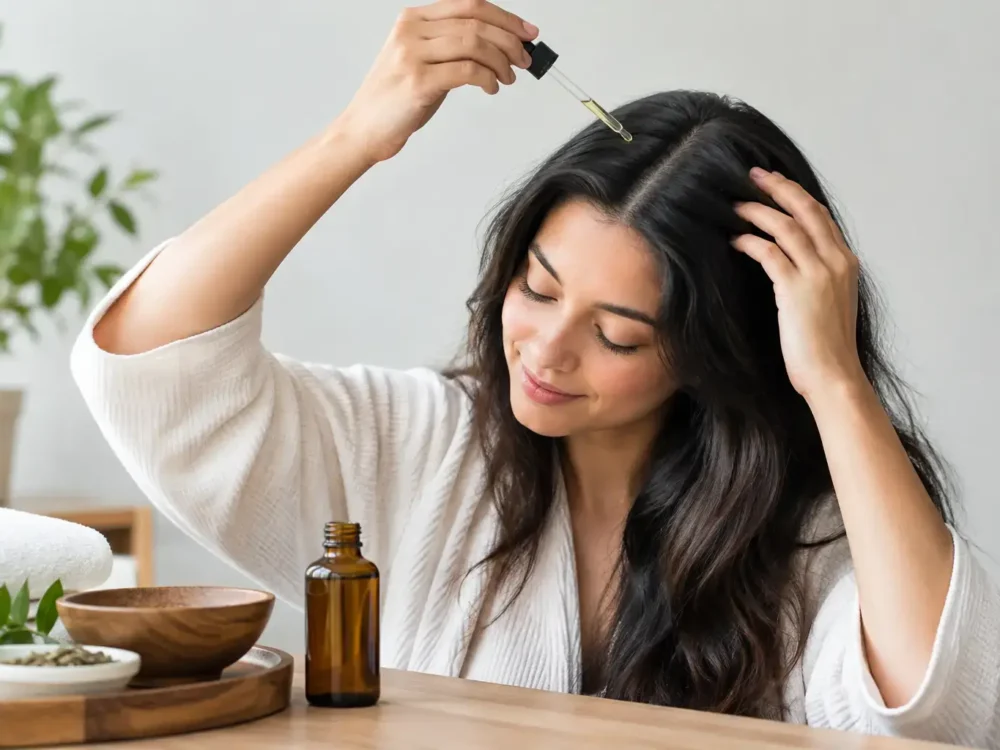
A good hair oil regimen should not leave you hiding your roots under dry shampoo or rewashing your hair the next morning. The goal is simpler: use the right amount of oil, in the right place, at the right frequency, so your scalp feels comfortable and your lengths look softer and more polished.
For busy routines, the best plan is rarely the most complicated one. A few intentional minutes before wash day, plus a light touch on dry ends when needed, can be more useful than applying a heavy oil blend every night. Your scalp type, hair texture, styling habits, and wash schedule all matter.
What a Hair Oil Regimen Can Realistically Do
Hair oils can reduce the rough, dry feel that makes strands look dull or frizzy. They can help lubricate the hair surface, improve slip while detangling, and limit the moisture loss that leaves ends brittle. Some oils, including coconut oil, can also help reduce protein loss from hair when used before washing.
What oils cannot reliably do is reverse every cause of shedding or guarantee faster growth. Hair loss can be linked to genetics, stress, hormones, restrictive diets, illness, medication, or scalp conditions. If you notice sudden shedding, widening parts, painful bumps, or ongoing itchiness, a dermatologist is a better next step than adding more oil.
Think of oil as supportive hair care, not a miracle treatment. Consistency, gentle handling, adequate protein and nutrients, and a scalp that is kept clean all play a role in how hair looks and feels over time.
Start Your Hair Oil Regimen With Your Scalp Type
The same oil routine will not suit everyone. A dry scalp may appreciate a short pre-wash massage, while an oily or dandruff-prone scalp can become uncomfortable with frequent, heavy applications.
If Your Scalp Feels Dry or Tight
Start with a small amount of lightweight oil and massage it into the scalp once or twice weekly before shampooing. Focus on the areas that feel tight or flaky, rather than saturating the whole head. Let it sit for 20 to 60 minutes, then shampoo thoroughly.
Avoid assuming every flake means dryness. If flakes are greasy, yellowish, persistent, or paired with redness, adding oil may make the problem worse. That pattern can point to dandruff or seborrheic dermatitis, which usually needs a targeted scalp treatment.
If Your Roots Get Oily Quickly
Keep oil off the scalp unless you are using a brief, occasional pre-wash treatment. Instead, apply one or two drops to the mid-lengths and ends after styling, where dryness and friction tend to show up first.
Fine hair often needs this approach as well. A little oil can create shine and manage flyaways, but too much can collapse volume within minutes. Start with less than you think you need. You can always add another drop.
If You Have Curly, Coily, or Highly Textured Hair
Oil can be especially useful for adding slip during detangling and helping seal in moisture after a water-based leave-in product. Apply it in sections so each area receives a light, even coating. For many textured hair routines, oil works best on damp hair, not as the only source of hydration.
If your curls feel coated but still dry, the answer may be more water-based conditioning and less oil. Oils help retain moisture, but they do not replace it.
Choose an Oil for the Job
There is no single best oil for every hair goal. Choose based on texture, tolerance, and where you plan to use it.
Coconut oil is a practical option for pre-wash lengths because it has a relatively small molecular structure and is well known for helping reduce protein loss from hair. It can feel rich on fine strands, so use it sparingly if your hair is easily weighed down. Extra virgin coconut oil may also solidify in cooler rooms. Warm a small amount between your palms before applying.
Castor oil has a thicker consistency and is often used for dry ends, brows, and scalp massage. It creates a coating that can make hair feel smoother and look shinier, but it is not proven to stimulate hair growth. Because it is dense, many people prefer to mix a few drops with a lighter oil before applying it to the scalp. An organic, multipurpose option such as Sterling Nutrition castor oil can fit well into a simple pre-wash routine.
Jojoba and argan oils are typically lighter choices for finishing dry ends. Black seed oil is another traditional beauty staple, although research on topical use for hair growth remains limited. If you enjoy it, use a small amount in a diluted blend and treat it as a conditioning step rather than a treatment for hair loss.
Fragrance and essential oils require extra care. Peppermint, rosemary, and tea tree oils can irritate the scalp when used undiluted. Never apply essential oils directly from the bottle. Blend them into a carrier oil at a low dilution, patch test first, and stop immediately if you feel burning, stinging, or increased itching.
Build a Routine You Will Actually Keep
A sustainable regimen has three moments: a pre-wash treatment when your hair needs softness, a targeted scalp massage when your scalp tolerates it, and a tiny finishing step for the ends.
For a pre-wash treatment, divide dry hair into a few sections. Smooth a small amount of oil through the mid-lengths and ends, then use any remaining oil on the scalp only if that area is dry and comfortable. Leave it on for 20 to 60 minutes. Overnight oiling is optional, not required, and can lead to buildup or transfer oil to pillowcases and skin.
When massaging the scalp, use the pads of your fingertips rather than your nails. Small circular motions for three to five minutes are enough. The massage itself can feel relaxing and may help distribute oil evenly, but aggressive rubbing can increase tangling and breakage.
After shampooing and conditioning, assess your ends once hair is damp or fully dry. If they feel rough, warm one or two drops between your hands and lightly press the oil onto the last few inches. Keep it away from the roots unless your hair is very dry or coarse.
Most people do well with a pre-wash oil treatment once weekly. Those with very dry, textured, or heat-styled hair may prefer twice weekly. If your hair is fine or your scalp gets oily, every one to two weeks may be plenty. The right frequency is the one that delivers softness without residue, itchiness, or extra wash days.
How to Avoid Buildup and Greasy Hair
Technique matters as much as the oil itself. The most common mistake is treating oil like a mask and using enough to soak every strand. Hair only needs a thin film to gain shine and slip.
Use a measured amount. For short or fine hair, begin with two to four drops for the ends. For long, thick, or textured hair, start with a teaspoon for a pre-wash treatment and increase only if your hair absorbs it comfortably. If you use a thick oil such as castor oil, blend it with a lighter oil rather than applying a large amount straight from the bottle.
Shampooing well is also part of the regimen. Concentrate shampoo at the scalp, where oil and product residue collect. Let the lather move through the lengths as you rinse instead of aggressively scrubbing them. If your hair still feels coated after washing, use a clarifying shampoo occasionally, based on your hair’s needs and your usual styling products.
Oil can also transfer onto the forehead, hairline, and pillowcase. If you are prone to breakouts around the hairline, keep scalp applications brief, cleanse after use, and avoid sleeping in heavy oil treatments.
Signs It Is Time to Change the Plan
Your routine should make hair feel more manageable, not create a new problem. Scale back or pause your oil routine if you develop persistent itchiness, scalp tenderness, new bumps, increased flakes, or hair that stays limp even after shampooing.
It is also worth adjusting with the seasons. Dry indoor heat, frequent swimming, color services, and more heat styling can make lengths need extra protection. Humid weather or intense workouts may mean you need less scalp oil and more frequent cleansing. Your regimen can be flexible without becoming complicated.
A hair oil regimen works best when it feels like care, not a chore. Start with one oil, one weekly pre-wash session, and a measured amount on the ends. Pay attention to how your scalp responds, then refine from there. Your best routine is the one that leaves your hair soft enough to touch, clean enough to wear confidently, and easy enough to repeat next week.