Currently Empty: $0.00

You buy supplements for one reason: you want to actually take them.
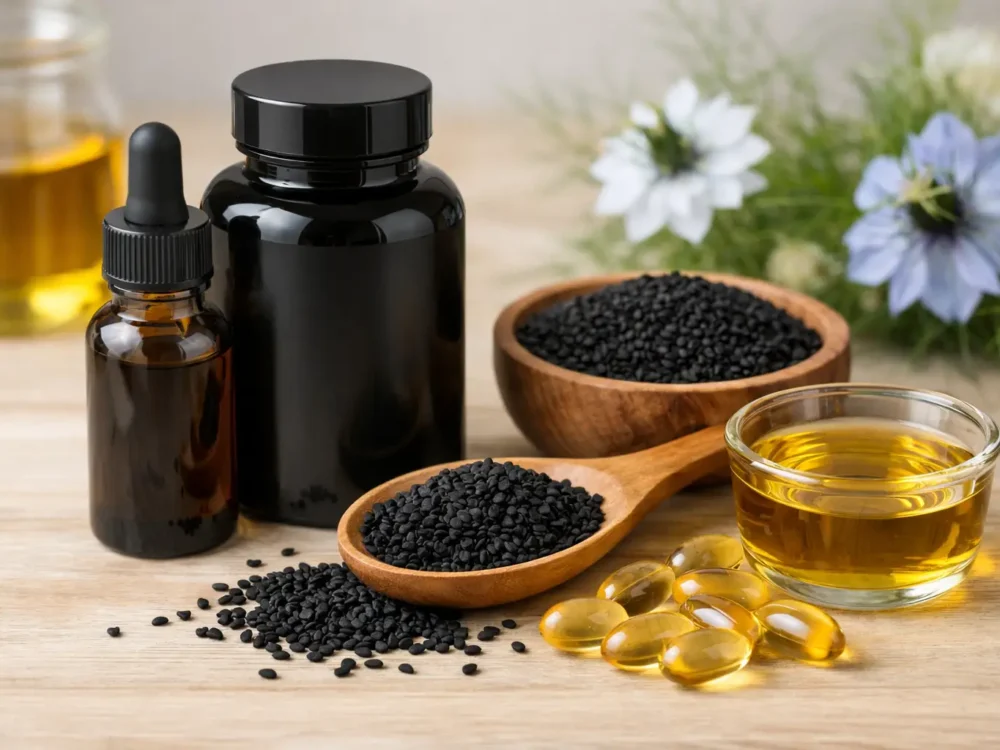
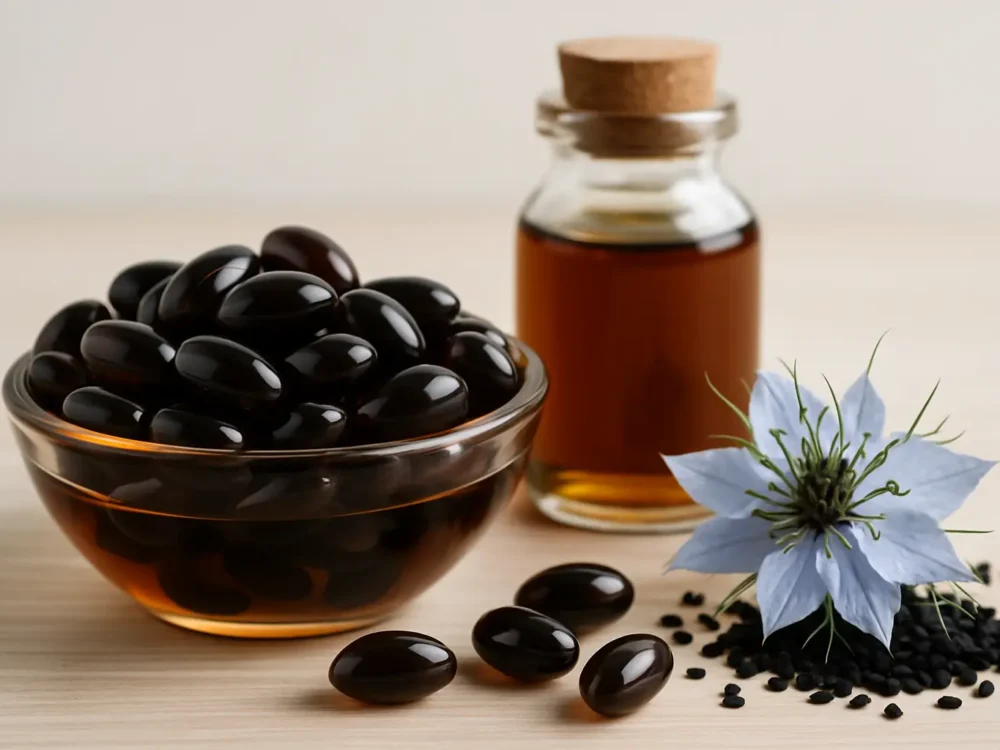
Liquid black seed oil can be powerful, but it can also be a commitment – strong taste, messy pours, and that “did I take enough?” moment when you’re rushing out the door. Softgels solve the compliance problem. They make black seed oil feel like a normal part of your morning routine, not a special project.
Below is a practical, science-aware look at black seed oil softgels benefits, who they’re best for, what to look for on a label (especially thymoquinone), and how to fit them into a routine that makes sense.
Why softgels change the experience
Most people don’t quit supplements because they hate the idea of health support. They quit because the format doesn’t match real life. Softgels win on consistency.
First, dosing is pre-measured. That matters more than people think because black seed oil is one of those products where “a little more” and “a little less” can become a daily guess. With softgels, you can track what you’re doing and decide if it’s working for you.
Second, softgels are travel-friendly and taste-free. If you’ve ever tried to take liquid black seed oil before a workout, during a workday, or on a trip, you already know why that matters.
Third, softgels reduce the friction of long-term use. And with wellness staples, the biggest payoff is usually from steady habits, not a one-week sprint.
Black seed oil softgels benefits: what people actually use them for
Black seed oil (Nigella sativa) is best known for thymoquinone (TQ), a bioactive compound studied for antioxidant and anti-inflammatory activity. Research is still evolving, and outcomes depend on dose, extract quality, and what goal you’re targeting. But in real-world wellness routines, softgels tend to show up in four buckets.
1) Immune and seasonal support
A lot of shoppers reach for black seed oil when they want to feel more resilient – especially during seasonal shifts, high-stress periods, heavy travel, or when everyone around them seems to be catching something.
From a mechanism standpoint, black seed oil is studied for its antioxidant effects and its potential to modulate inflammatory pathways. That doesn’t mean it “prevents” illness, and it’s not a replacement for sleep, protein, and basic hygiene. But if you’re trying to stack simple daily supports, softgels are an easy add.
This is also where quality matters. If you’re buying black seed oil for daily immune support, you want a product that signals purity and consistency, not a random bottle that could vary batch to batch.
2) Skin, hair, and “from-the-inside” glow goals
If you’re already in the world of hair and skin supplements, black seed oil probably showed up on your radar as a traditional remedy with modern interest.
People often use it as part of a broader “calm inflammation, support barrier, stay hydrated” approach. Softgels fit that approach because they’re consistent. You’re not relying on the days you remembered to mix oil into something (and enjoyed it enough to repeat).
A realistic expectation: changes in hair and skin take time. Think weeks to months, not days. If you want quick cosmetic results, you’ll be disappointed. If you want a steady wellness staple that supports your routine while you keep the basics tight (sleep, protein, stress management, gentle topical care), softgels make sticking with it easier.
3) Digestive comfort and daily balance
Some people use black seed oil because they feel “off” after meals or they’re trying to support gut comfort as part of a more intentional diet.
This is one of the most individual areas. If you’re sensitive to oils or you take softgels on an empty stomach, you might notice mild stomach upset. On the other hand, many people prefer taking them with food because it feels smoother and more consistent.
If your digestive symptoms are persistent, severe, or new, don’t self-diagnose with supplements. Softgels can be part of wellness support, but they’re not a substitute for medical evaluation.
4) Recovery, inflammation, and active lifestyles
If you train, you already know recovery isn’t just protein shakes. It’s sleep, hydration, stress, and managing overall inflammation load.
Black seed oil is studied for anti-inflammatory potential, and that’s why it’s often paired mentally with an active lifestyle. Softgels are the easy version of that idea: take them daily, stack them with a hydration routine, and keep it simple.
If you’re already using electrolyte capsules or effervescent hydration products, black seed oil softgels can sit in the same “no excuses” daily system: hydration plus recovery support plus consistent supplementation.
Why thymoquinone (TQ) content matters more than buzzwords
You’ll see a lot of labels shout “cold-pressed” or “pure,” and those can be good signs. But if you’re shopping based on function, thymoquinone is the detail that helps you compare.
TQ is one of the best-studied compounds in black seed oil, and higher-thymoquinone products are typically positioned as more potent and more standardized. It doesn’t guarantee results, but it’s a better proxy for “what am I paying for?” than vague claims.
That said, “higher” isn’t always “better for everyone.” If you’re sensitive, starting with a moderate dose and building slowly can be smarter than jumping straight to the strongest option and quitting because it doesn’t feel good.
How to take black seed oil softgels (without overcomplicating it)
Most people do best with a boring routine. Pick a time, tie it to something you already do, and keep it consistent.
Taking softgels with a meal is a common strategy for comfort. Breakfast works for many busy professionals because it reduces the chance you forget later. Dinner works for people who already have an evening supplement stack.
If you’re trying black seed oil for the first time, consider starting low and staying there for a week. If you feel good and want more support, you can step up gradually. The goal is repeatability, not bravery.
Also, decide what “working” means for you. Is it seasonal resilience? Smoother digestion? A steadier baseline for recovery? When you define the goal, you’re less likely to take three softgels one day, none the next, and then decide it “did nothing.”
Who should be cautious (it depends)
Black seed oil is a wellness staple, but it’s still bioactive. Softgels make it easy to take, which means it’s also easy to overdo if you treat it like candy.
If you’re pregnant or breastfeeding, have a chronic condition, or take prescription medications, check with your clinician before adding black seed oil. The same goes if you’re scheduled for surgery or you’re on blood-thinning medication – you want a professional opinion on interactions and timing.
If you have allergies to plants in the broader botanical family or you’ve reacted to seed oils before, use extra care and consider starting with a very small amount.
And if your body gives you a clear “no” signal (stomach upset, headaches, rashes), stop and reassess. The best supplement is the one you can take safely and consistently.
Softgels vs liquid: what you gain, what you give up
Softgels are built for routine. Liquid is built for flexibility.
With softgels, you gain convenience, taste-free compliance, and more consistent dosing. That makes them the better choice for busy weekdays, travel, and anyone who knows they’ll skip a supplement if it’s annoying.
With liquid, you can fine-tune dose more precisely and potentially use it in food. But you also have to deal with taste, measuring, storage, and the reality that most people stop when it becomes a hassle.
A practical middle ground: use softgels as your default daily format and keep liquid as an optional add-on if you truly like it.
What to look for when you shop
If you want black seed oil softgels benefits that feel real over time, your product choice matters. Look for clear quality markers: standardized thymoquinone content if available, clean-label positioning (non-GMO, vegan-friendly where applicable), and straightforward sourcing and testing language.
Also pay attention to capsule size and serving count. It’s not just a value game – it’s a compliance game. If the serving requires five giant softgels a day, you’re less likely to stick with it.
If you’re shopping at Sterling Nutrition (sterlingnutrition.sg), the brand focus on modern convenience formats and purity-led positioning is designed for exactly this use case: traditional wellness staples that are actually easy to take daily.
Pairing ideas for a simple, high-compliance routine
Black seed oil softgels fit best when they’re not treated like a one-off “fix.” They’re a daily baseline.
If your goal is workout recovery, pair them with a consistent hydration plan and enough protein. If your goal is seasonal support, pair them with sleep consistency and a diet that doesn’t run on sugar and caffeine alone. If your goal is skin and hair, pair them with patience and a routine you can repeat for 8 to 12 weeks.
Supplements shouldn’t feel like a second job. When your routine is simple enough to do on your busiest day, that’s when the benefits have a chance to show up.
A helpful closing thought: pick the format you’ll still be taking a month from now – consistency is the real multiplier.