
Currently Empty: $0.00

A pounding headache after a long workout, a dizzy spell in hot weather, or that drained, foggy feeling after travel often gets blamed on “not enough water.” Sometimes that is true. But sometimes the issue is not just fluid loss – it is electrolyte loss.
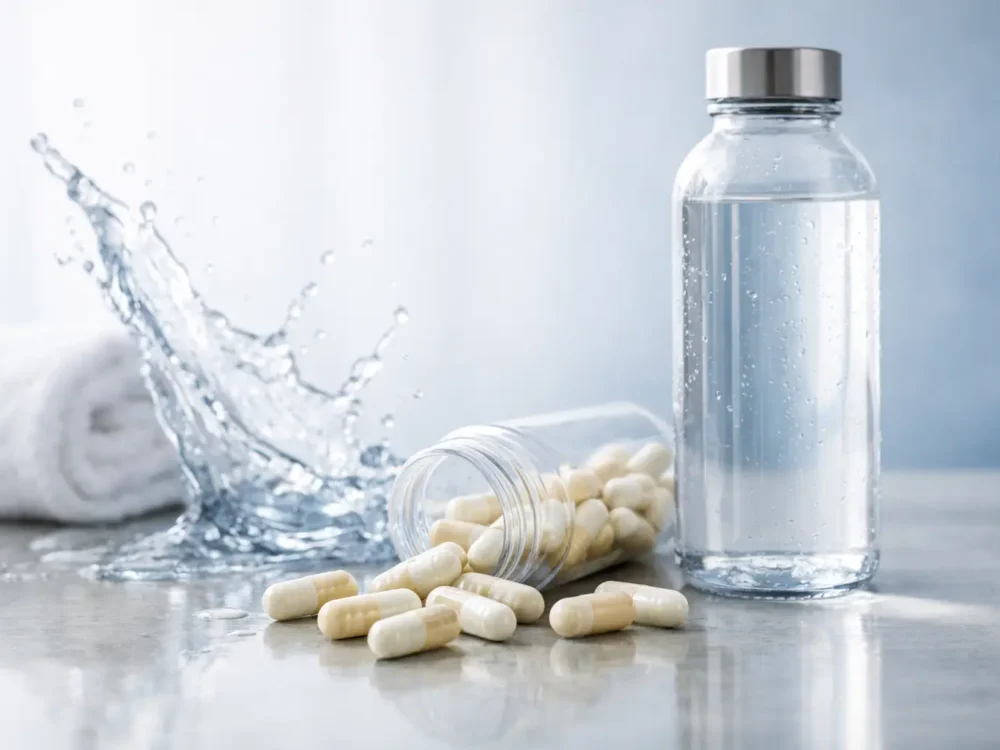
That is where electrolyte capsules for dehydration can make a real difference. They offer a simple, portable way to replace key minerals without carrying a bottle of sugary sports drink or mixing powders on the go. For busy professionals, gym regulars, and anyone sweating through humid days, capsules can be one of the easiest ways to stay on top of hydration.
What electrolyte capsules for dehydration actually do
Electrolytes are minerals that help regulate fluid balance, muscle function, and nerve signaling. The main ones people think about are sodium, potassium, magnesium, and calcium. When you sweat, you lose water and electrolytes together. If you only replace the water, you may still feel off.
Electrolyte capsules for dehydration are designed to help replenish those minerals in a measured, convenient format. They are especially useful when dehydration is tied to sweating, heat exposure, endurance activity, or situations where you are losing fluids faster than usual.
That said, capsules are not magic. If someone is severely dehydrated, vomiting repeatedly, fainting, or showing signs of heat illness, that is beyond the scope of a supplement. In those cases, medical care matters more than convenience.
Why capsules appeal to active and busy adults
There is a reason many people switch from sports drinks to capsules or tablets. Convenience is the obvious one. Capsules are easy to carry in a gym bag, backpack, office drawer, or travel pouch. No refrigeration, no sticky bottle, no extra sugar unless you choose to pair them with a drink.
The second reason is control. With capsules, you can often avoid the heavy sweetness and artificial colors common in some hydration products. For shoppers who care about clean-label formulas, that matters. A well-formulated product can fit more naturally into a daily wellness routine without feeling like a once-in-a-while fix.
The trade-off is that capsules may not feel as immediately satisfying as a flavored drink, especially if you are someone who struggles to drink enough water in the first place. A capsule still needs fluid to work well. If you take one and keep skimping on water, you are missing the point.
When electrolyte capsules make the most sense
Not every glass of water needs backup. If you spend most of your day in air conditioning, do light activity, and eat a balanced diet, plain water may be enough most of the time.
Electrolyte capsules become more useful when losses are higher. That often includes long workouts, outdoor runs, hot commutes, intense sweating, travel days, fasting periods, and recovery after stomach upset. They can also help people who feel washed out after exercise despite drinking a lot of water.
This is where context matters. If you are doing a short, easy gym session, electrolytes may be optional. If you are training hard, sweating heavily, or spending hours outside in heat and humidity, replacing sodium and other minerals becomes much more relevant.
Signs you may need more than water
Mild dehydration can show up in ways people dismiss as random fatigue. Common clues include headache, dark urine, dry mouth, muscle cramps, lightheadedness, and unusual tiredness after sweating. Some people also notice reduced performance, poor recovery, or that flat feeling where energy drops faster than expected.
Still, symptoms are not always specific. A headache can be dehydration, but it can also be poor sleep or too much caffeine. Muscle cramps are similar. Electrolytes can help in the right situation, but they are not a cure-all for every bad workout or rough day.
What to look for in electrolyte capsules
The label matters more than the hype. Sodium is usually the key electrolyte for sweat-related losses, yet some products underdeliver on it while overemphasizing smaller amounts of other minerals. Potassium and magnesium can support hydration and muscle function, but sodium tends to do the heavy lifting when sweating is the cause.
A clean formula is also worth prioritizing. Many shoppers want products that are vegan, non-GMO, and free from unnecessary additives. That fits a broader shift toward wellness products that are easy to take daily and aligned with a cleaner ingredient standard.
Capsule count and serving size matter too. Some formulas require multiple capsules to reach an effective dose, which may be fine for athletes but less appealing for someone who wants a simpler routine. If convenience is the goal, the best product is usually the one you will actually remember to use.
Electrolyte capsules vs. powders and drinks
There is no single best format for everyone. Capsules are great for portability, precision, and low mess. Powders can be better if flavor helps you drink more water. Ready-to-drink options work when convenience matters most, though they may come with more sugar or bulk.
If you want a no-fuss option for workouts, commuting, and travel, capsules often win. If you know you need encouragement to sip more fluids, an effervescent tablet or flavored drink may be a better fit. Some people even keep both on hand – capsules for portability and a tablet or powder for recovery at home.
How to use electrolyte capsules effectively
Timing depends on the situation. For exercise, many people do best taking them before or during longer or sweat-heavy sessions, then continuing to drink water regularly. For travel or hot weather, taking them before you feel depleted can work better than waiting until symptoms hit.
You also do not need to treat every workout like an endurance event. The goal is to match intake to losses. More is not always better, especially if your day has been mostly sedentary.
If you are salt-sensitive, managing blood pressure, or on medications that affect fluid or mineral balance, it is smart to check with a healthcare professional before adding electrolyte supplements routinely. Hydration is personal, and underlying health status changes the equation.
A practical hydration routine that works
The most effective hydration routines are boring in the best way. They are consistent. Start the day with water. Increase fluids around exercise, outdoor activity, and travel. Use electrolytes strategically instead of randomly.
For many adults, that means keeping a hydration product available before the need feels urgent. If your routine includes early workouts, long meetings, humid commutes, or frequent flights, a convenient capsule format can remove friction and make better hydration easier to stick with.
This is also why routine-friendly wellness products perform better than overly complicated regimens. If something is easy to pack, easy to take, and easy to repeat, it is more likely to become part of real life.
Are electrolyte capsules enough for dehydration?
Sometimes yes, sometimes no. For mild dehydration linked to sweat and fluid loss, they can be very helpful when paired with adequate water. For more serious dehydration, illness-related fluid loss, or symptoms that escalate quickly, they are not enough on their own.
That distinction matters. Electrolyte capsules for dehydration are best seen as a practical tool, not a replacement for common sense or medical care. They shine when used early, consistently, and in the right scenarios.
If you are building a smarter hydration routine, focus on fit. Look for a clean, convenient formula that matches your activity level and lifestyle, and use it when your body is losing more than plain water. If you want an easy option designed for everyday usability, Sterling Nutrition offers hydration-focused solutions built for modern routines at https://sterlingnutrition.sg.
Hydration works best when it stops being an afterthought and starts becoming part of how you move through the day.