Currently Empty: $0.00


At 3 p.m., wellness theory tends to lose to real life. You are between meetings, heading to the gym, managing family plans, or trying to avoid another sugary drink. That is why functional wellness trends are moving away from complicated protocols and toward products that fit naturally into daily routines. The winning choices are not necessarily the most exotic. They are the ones people can use consistently, understand clearly, and feel good about buying again.
For 2026, expect more attention on practical hydration, clean-label supplements, traditional ingredients in modern formats, and routines built around specific needs instead of vague promises. The goal is not to fill a cabinet with products. It is to choose a few useful essentials that earn a place in your day.
What Functional Wellness Trends Actually Mean
Functional wellness is a simple idea: choose foods, beverages, and supplements for a practical role in your routine. That role could be supporting hydration during exercise, making a daily nutrient habit easier to maintain, or adding a familiar natural ingredient to a beauty routine.
The difference matters. A trend can be visually appealing or popular on social media without being useful. Functional products are judged more directly: Is the format convenient? Is the ingredient list easy to assess? Does the product match a real use case? Can you take it consistently without turning wellness into a second job?
This does not mean every product needs to solve a dramatic problem. Small conveniences can have a meaningful effect over time. An effervescent tablet that makes you more likely to drink fluids after a hot commute may be more valuable than a complicated routine you abandon within a week.
Hydration Is Becoming More Intentional
Hydration remains one of the strongest functional wellness trends because it connects to how people actually feel throughout the day. Workouts, humid weather, travel, long hours in air-conditioned spaces, and active weekends can all make plain water feel insufficient or unappealing. The answer is not always a high-sugar sports drink.
Electrolyte capsules and effervescent tablets offer a more targeted option for people who sweat heavily, exercise regularly, or need a convenient hydration companion. They are especially practical for gym bags, office drawers, and travel days. Effervescent formats also add flavor and ritual, which can help people who struggle to drink enough fluids.
Still, context matters. Most people do not need electrolytes for every glass of water or every quiet day at a desk. Overusing any hydration product can be unnecessary, and people managing kidney conditions, high blood pressure, or medication-related dietary restrictions should speak with a qualified health professional first. The smarter trend is matching the tool to the moment: harder training, heat exposure, extended activity, or recovery after significant fluid loss.
Convenience Is Now a Quality Signal
For years, convenience was treated as the less serious side of wellness. Powders, oils, and traditional ingredients were often presented as though extra preparation proved commitment. That attitude is changing. A product can be thoughtfully formulated and easy to use.
Softgels, capsules, and effervescent tablets are gaining ground because they remove common barriers: measuring, strong tastes, messy bottles, and skipped doses. For busy professionals, a softgel may be the difference between a consistent routine and an unopened bottle on the shelf. For someone who dislikes swallowing several pills, an effervescent option may be a better fit.
Format should not replace quality. It should support it. Look for clear serving guidance, transparent ingredient information, and a format that makes sense for the product. Oils can be useful in a bottle for culinary or topical use, while softgels may suit those who want a measured, portable daily option. There is no universally best format, only the format you will realistically use.
Clean Labels Are Moving Beyond Marketing
Consumers are reading labels more closely, and that is a positive shift. Terms such as vegan, cruelty-free, non-GMO, organic, and natural ingredients can help shoppers narrow their options, especially when they reflect priorities that matter personally. But a clean label is a starting point, not a substitute for informed buying.
The best product pages and labels make the basics clear: what the active ingredient is, how much is included per serving, what else is in the formula, and how to use it. This is particularly relevant for supplements built around ingredient quality markers. With black seed oil, for example, shoppers may look for thymoquinone content as one way to assess the product’s stated standard rather than choosing based on a generic front-label claim alone.
Clean-label buying also benefits from a little skepticism. Natural does not automatically mean appropriate for everyone, and more ingredients do not automatically make a formula better. If a product has a long list of extras, ask whether they serve a purpose or simply make the label sound more impressive. Straightforward formulas are often easier to evaluate and easier to fit into an existing routine.
Traditional Ingredients Are Getting Modern Formats
Another key shift in functional wellness is not the discovery of entirely new ingredients. It is the return of traditional staples in formats designed for modern schedules. Black seed oil, apple cider vinegar, castor oil, coconut oil, Ajwa seed powder, and moringa-based products all appeal to shoppers who want a connection to long-standing wellness practices without unnecessary complexity.
That interest calls for balance. Traditional use can provide cultural context and inspire curiosity, but it should not be mistaken for a guarantee of a specific health outcome. Responsible wellness shopping means separating a product’s established everyday uses from claims that go beyond available evidence.
Apple cider vinegar is a useful example. Many people appreciate it as part of a daily routine, yet the sharp taste and acidity can make liquid vinegar difficult to use consistently. Effervescent tablets can offer a more approachable format for those who prefer convenience and taste. They are not a license to ignore diet, sleep, or activity, but they can make a chosen habit easier to keep.
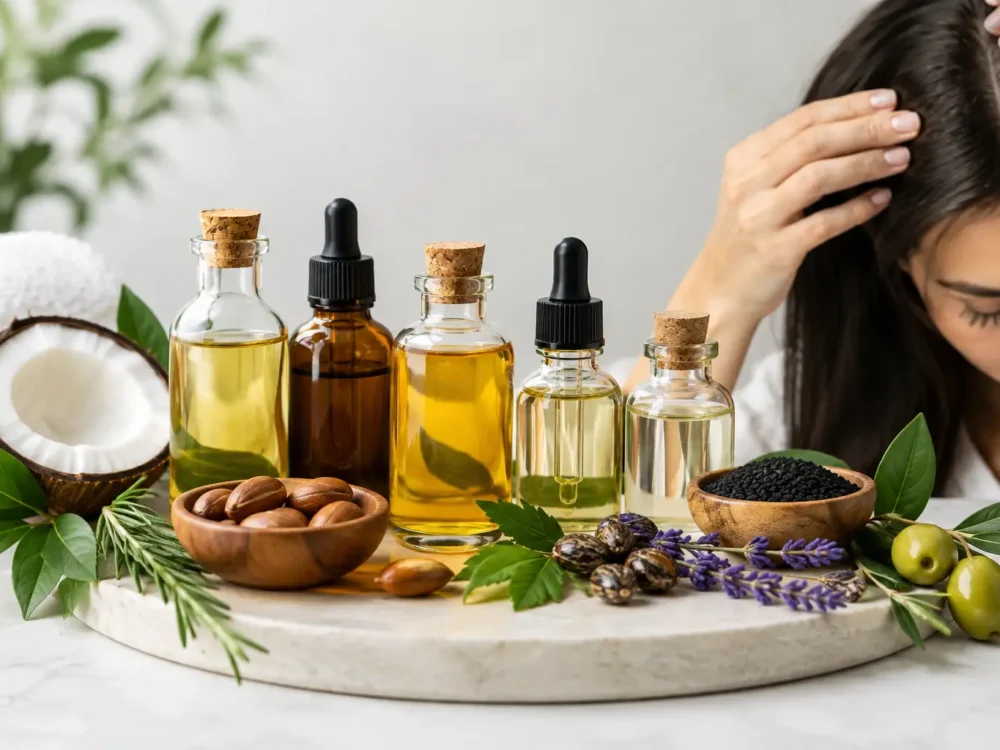
The same thinking applies to multipurpose oils. Extra virgin coconut oil and organic castor oil may appeal to people building simple hair, skin, or household routines. Their versatility is part of the appeal, but each use comes with different considerations. A product that works well for cooking is not automatically ideal for every skin type, and topical use should begin with a small patch test, particularly for sensitive skin.
The Best Routine Is the One You Can Repeat
Wellness shoppers are becoming less interested in doing everything at once. Instead, they are choosing routines with a clear purpose: hydration support around training, a daily softgel with breakfast, or a beauty ritual a few times each week. This is a healthier approach than constantly rotating through new products based on the latest viral recommendation.
Start by identifying one friction point. Maybe you lose energy during afternoon workouts because you have not hydrated well. Maybe you want a more convenient alternative to a strong-tasting traditional ingredient. Maybe your hair and skin routine needs fewer products, not more. Choose one category that fits the need, then give it enough time to become a habit before adding another layer.
A simple routine also makes it easier to notice what is and is not working for you. Keep expectations realistic, follow the suggested use, and avoid stacking multiple similar supplements without understanding the overlap. If you are pregnant, nursing, have a medical condition, or take prescription medication, get personalized guidance before beginning a new supplement routine.
How to Shop Functional Wellness Trends With Confidence
A good purchase should feel clear before it arrives. Prioritize product quality, ingredient transparency, a format you will use, and a price that supports replenishment. Promotions and bundles can be useful when you already know a product fits your routine, but a larger order is not automatically a better value if it creates clutter or encourages overuse.
Customer reviews can also provide useful real-world details, especially around taste, texture, portability, and ease of use. Treat dramatic before-and-after claims carefully. The most helpful reviews explain how a product fits into a routine and what the user genuinely liked about the experience.
Sterling Nutrition reflects this practical direction with clean-label wellness staples offered in easy-to-use formats, from electrolyte effervescents to black seed oil softgels and multipurpose natural oils. The focus is not on making wellness feel complicated. It is on making daily choices easier to follow through on.
The strongest trend for 2026 is not a single ingredient or format. It is choosing fewer products with clearer jobs, then using them often enough for the routine to become yours.