Currently Empty: $0.00

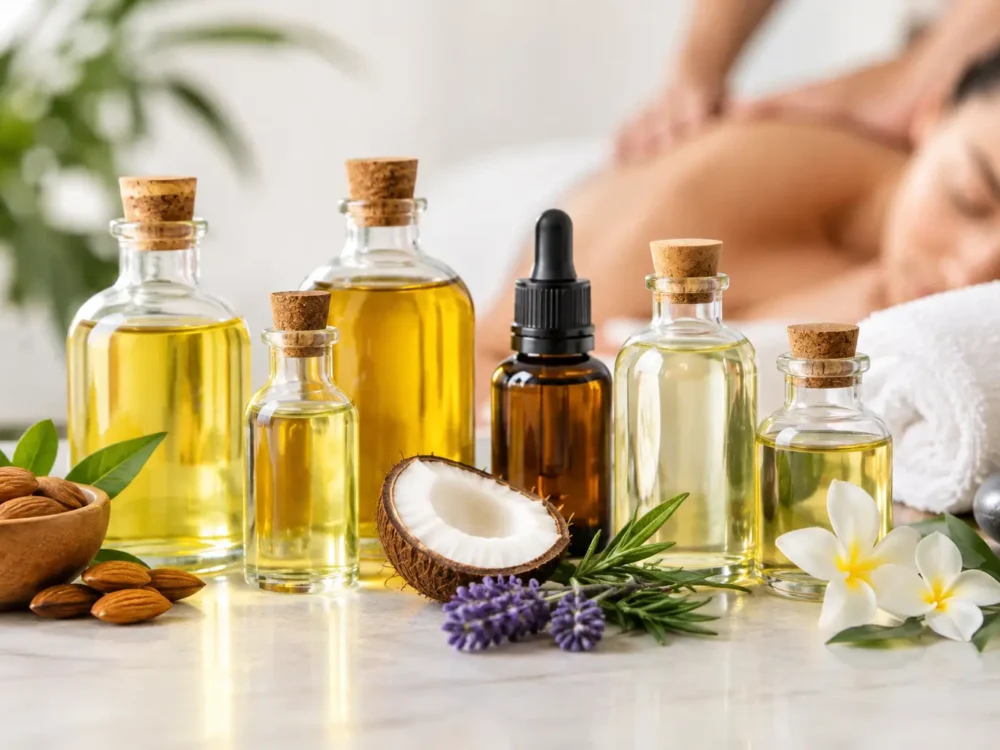
A good massage oil should do more than make your hands glide. The best oils for body massage support a comfortable, unhurried routine, help soften dry-feeling skin, and feel good enough to use consistently. The right choice comes down to your skin, your massage style, and whether you want a light everyday oil or a richer option for focused self-care.
For busy routines, that distinction matters. A fast-absorbing oil can work after a shower without leaving clothes greasy, while a thicker oil may be better for a longer evening massage on tight-feeling shoulders, calves, or feet. Start with a clean, high-quality oil and use enough to create slip without saturating the skin.
What Makes a Massage Oil Worth Using?
Texture is the first test. Oils with good glide let your hands move smoothly across the skin, reducing the tugging that can make massage feel uncomfortable. But more slip is not always better. Very rich oils can feel heavy in humid weather or leave a residue on sheets, while very light oils may need to be reapplied during a longer session.
Look for oils that suit the area you are massaging. Body skin usually handles richer oils well, especially on the legs, elbows, and feet. The chest, back, and areas prone to breakouts may prefer something lighter and less occlusive. Fragrance also deserves attention. Unscented oils are often the simplest choice for sensitive skin and give you more control if you choose to add a body-safe essential oil blend.
Purity matters, too. Choose oils with straightforward ingredients and avoid products padded with artificial fragrance or unnecessary fillers. If you are buying an oil for regular use, clean-label qualities such as organic sourcing, vegan ingredients, and cruelty-free standards can make the choice easier.
7 Best Oils for Body Massage
1. Coconut Oil for Smooth, Nourishing Glide
Extra virgin coconut oil is a classic body massage choice for good reason. It has a rich, cushiony feel and works especially well on dry areas such as shins, hands, heels, and elbows. Its natural fatty acids help leave skin feeling soft and conditioned after a massage.
The trade-off is its texture. Coconut oil may solidify in cooler rooms and can feel too heavy for some people, particularly on acne-prone skin or in hot, humid conditions. Warm a small amount between your palms before use. If you want a deeply moisturizing oil for an evening wind-down, coconut oil is a strong place to start.
2. Jojoba Oil for Balanced, Everyday Use
Jojoba oil has a lighter, silkier feel than coconut oil and closely resembles the natural oils found on human skin. That makes it a popular all-around option for people who want glide without a thick coating. It is well suited to full-body massage, including areas that can feel oily with heavier oils.
Jojoba oil absorbs more quickly than many traditional massage oils, so you may need a little extra for a long session. For a quick post-shower massage or morning self-care routine, that faster finish is often a benefit rather than a drawback.
3. Sweet Almond Oil for Classic Massage Feel
Sweet almond oil is a staple in professional-style massage because it offers generous slip and a medium-weight texture. It spreads easily, makes it simple to work over larger areas such as the back and legs, and usually leaves the skin feeling soft rather than sticky.
It is a practical option when you want one oil for regular body massage. However, anyone with a tree-nut allergy should avoid it or speak with a qualified health professional before use. As with any new topical product, patch test first.
4. Grapeseed Oil for Lightweight Massage
If you dislike the lingering feel of heavier oils, grapeseed oil is worth considering. It is thin, light, and easy to spread, making it useful for a quick massage after exercise or a warm shower. It can be particularly comfortable for normal to oily skin types.
Because it is so light, grapeseed oil may not provide enough staying power for deep, slow massage. Use it for shorter routines or blend it with a richer oil if you want more cushion and glide. Store it away from direct heat and sunlight to help maintain freshness.
5. Castor Oil for Targeted, Richer Massage
Organic castor oil is distinctly thicker than most massage oils. That dense texture makes it better for targeted use than a full-body application. Think dry feet, rough elbows, hands, or a focused massage on areas that need extra attention.
A little goes a long way. Used alone, castor oil can feel tacky or too heavy for some skin types, so many people prefer to combine a small amount with coconut, jojoba, or sweet almond oil. This creates a richer blend with smoother movement across the skin. For a simple at-home ritual, massage the blend into feet before bed, then put on clean cotton socks.
6. Sunflower Seed Oil for Sensitive, Dry Skin
Sunflower seed oil is an understated option with a soft, comfortable texture. It is generally light enough for frequent use but nourishing enough for dry-feeling body skin. It works well for people who want a simple, fragrance-free base oil without a strong scent or overly rich finish.
It may not have the long glide of sweet almond oil, but it is versatile. Use it for gentle arm, leg, or hand massage, especially when your goal is softness and comfort rather than intensive muscle work.
7. Black Seed Oil for Occasional Blending
Black seed oil has a bold aroma and a more distinctive skin feel than neutral carrier oils. It is not usually the first choice for a full-body massage, but it can be an interesting addition to a blend for people who already enjoy it as part of a natural wellness routine.
Keep the percentage low, especially if you are trying it for the first time. A few drops blended into a larger amount of coconut or jojoba oil is more practical than applying it generously on its own. Choose a high-quality black seed oil with clear purity standards, and patch test before broader use.
How to Choose the Best Oil for Your Routine
For dry skin, start with coconut oil, sweet almond oil, or a blend with a small amount of castor oil. For a lighter everyday feel, jojoba, grapeseed, and sunflower seed oil are usually easier to wear. If your goal is muscle recovery after activity, choose based on glide: sweet almond oil offers a longer working time, while jojoba is better for a fast massage that will not linger on the skin.
Your climate matters as much as your skin type. In warm weather, a lighter oil can feel more comfortable and less likely to transfer onto clothing. In cooler, air-conditioned spaces, richer oils may feel especially soothing. There is no single winner for everyone, which is why a two-oil routine can be useful: keep one light oil for daily use and one richer oil for evenings or dry areas.
Use Massage Oil Safely and Comfortably
Patch test every new oil on a small area of skin 24 hours before a full application. Do not massage over broken, irritated, sunburned, or infected skin. If you are pregnant, managing a skin condition, or using medicated topical treatments, check with your health care professional before adding new oils or essential oils to your routine.
Use only body-safe essential oils, always dilute them properly, and never apply undiluted essential oils directly to the skin. Keep oils away from the eyes, and remember that oil can make shower floors slippery. A warm towel nearby makes cleanup easy and helps turn a quick massage into a more restorative ritual.
The best choice is the oil you enjoy reaching for consistently. Start with one clean, versatile option, notice how your skin responds, and build a routine that makes a few quiet minutes of care feel easy to keep.