
Currently Empty: $0.00

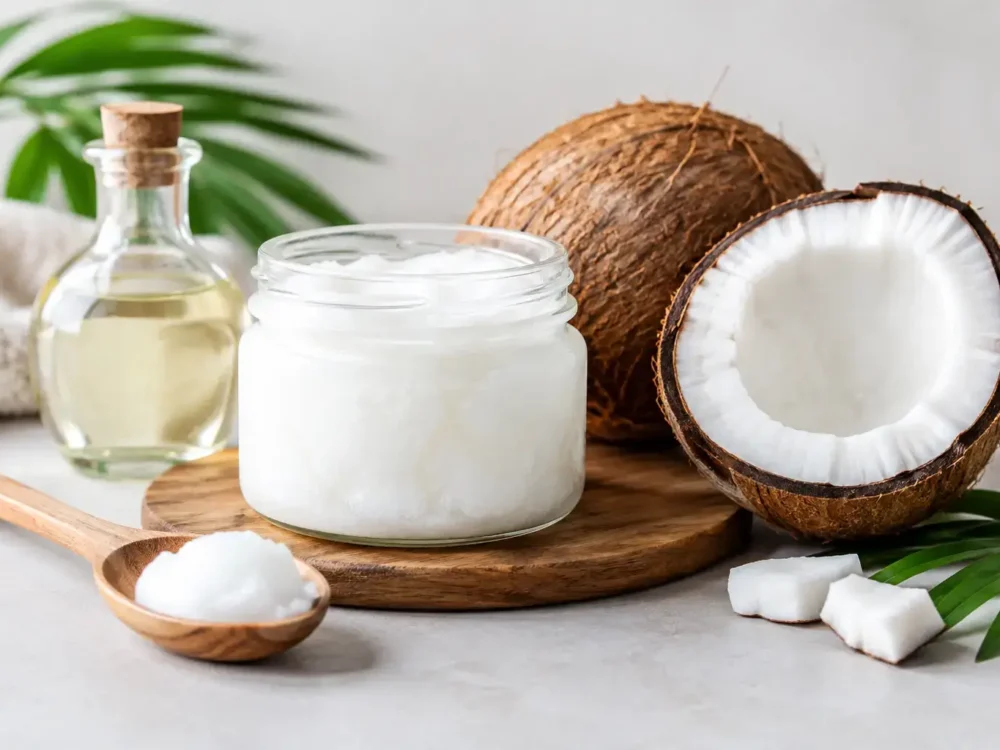
Coconut oil is one of those rare pantry staples that can move from the kitchen counter to a hair mask without feeling out of place. Its naturally rich texture, mild tropical flavor, and long shelf life make it appealing for busy people who want practical, multipurpose wellness essentials. Still, the best results come from using it for the right purpose – and keeping nutrition claims grounded in the bigger picture of your routine.
What Makes Coconut Oil Different?
Coconut oil is pressed from the meat of mature coconuts. It is high in saturated fat, which gives it its firm texture at cooler room temperatures and makes it more stable than many delicate cooking oils. It melts quickly in warm food, on skin, or between your palms.
Its fat profile is also what sets it apart. Coconut oil contains medium-chain triglycerides, often called MCTs, along with other saturated fats. The body may process some MCTs differently from longer-chain fats, which has made coconut oil popular in performance and wellness conversations. But coconut oil is not the same as concentrated MCT oil, and it should not be treated as a shortcut for energy, weight loss, or better health.
For everyday use, think of it as a flavorful cooking fat and a useful topical moisturizer. It can support a simple routine, but it works best alongside balanced meals, movement, sleep, hydration, and the products that fit your individual needs.
Extra Virgin vs. Refined Coconut Oil
The type you choose changes both the taste and the best use case.
Extra virgin coconut oil is typically made from fresh coconut meat with minimal processing. It has a noticeable coconut aroma and flavor, making it a great fit for smoothies, oatmeal, curries, baked treats, and recipes where that gentle tropical note adds something. Many shoppers also prefer extra virgin options for hair and body care because of their straightforward, minimally processed profile.
Refined coconut oil has a more neutral taste and smell. It can be easier to use when you want the texture and cooking performance of coconut oil without a coconut flavor in your meal. For example, it may work well in stir-fries, sautéed vegetables, or baking recipes where other ingredients should take center stage.
Neither choice is automatically better in every situation. If ingredient simplicity and coconut flavor matter most, extra virgin coconut oil is often the natural pick. If versatility and a neutral finish are the priority, refined oil may be more practical.
Coconut Oil in the Kitchen
A spoonful of coconut oil can add satisfying richness to food, but portion size still matters. Like all oils, it is calorie-dense. A little goes a long way when you are sautéing, baking, or adding body to a homemade snack.
Try it in a few realistic ways: use a small amount to cook eggs or vegetables, blend it into a coconut-forward smoothie, or use it in place of butter in certain baking recipes. It is especially suited to dishes with warm spices, cocoa, lime, ginger, or chili.
Because coconut oil is high in saturated fat, it is smart to vary your fats rather than relying on it as your only oil. Olive oil, avocado oil, nuts, seeds, and fatty fish each bring different nutritional strengths. If you are managing high cholesterol or have been advised to limit saturated fat, talk with a qualified health professional about what makes sense for your eating pattern.
A better way to think about daily use
Instead of adding coconut oil to everything, use it where it genuinely improves the meal. That may mean a teaspoon in a curry for flavor or using it for a weekend batch of homemade granola. A routine that feels good and is easy to sustain will always beat an extreme wellness habit.
Coconut Oil for Hair and Skin
Topical use is where coconut oil earns loyal fans. Its rich, occlusive texture helps reduce moisture loss, leaving dry areas feeling softer and more comfortable. It is particularly popular as a pre-wash hair treatment, a body moisturizer for dry skin, and a cuticle softener.
For hair, start small. Warm a small amount between your hands, work it through the mid-lengths and ends, and leave it on for 20 to 60 minutes before shampooing. This approach can help dry, coarse, or textured hair feel smoother and look shinier. Fine hair may become weighed down quickly, so use less oil and keep it away from the roots.
For skin, apply a thin layer to damp skin after showering to help lock in moisture. Elbows, knees, hands, and feet are usually better starting points than the face. Coconut oil can be comedogenic for some people, meaning it may contribute to clogged pores or breakouts. If you have acne-prone or very sensitive facial skin, patch-test first or choose a lighter facial moisturizer instead.
It is also worth remembering that oil is not sunscreen. Coconut oil should never replace a broad-spectrum sunscreen with appropriate SPF protection.
How to Choose a Quality Coconut Oil
The label should make the decision easier, not more complicated. For an extra virgin coconut oil, look for a short ingredient list that names coconut oil and nothing unnecessary. If organic sourcing matters to you, look for a certified organic option. Quality cues such as non-GMO, vegan, and cruelty-free can also help shoppers align a purchase with their preferences.
Packaging matters, too. A tightly sealed jar helps protect freshness, and a wide-mouth container makes solid oil much easier to scoop. Coconut oil naturally changes from solid to liquid depending on temperature, so there is no need to worry if it melts during warmer weather and firms up again later.
A fresh product should smell clean and pleasantly coconutty if it is extra virgin, not sour, stale, or rancid. Store it in a cool, dry place away from direct sunlight, and always use a clean, dry spoon when scooping from the jar.
Smart Safety Notes for Coconut Oil
Coconut oil is simple to use, but a few boundaries make a difference. Do not use it as a personal lubricant with latex condoms, as oil can weaken latex and increase the risk of breakage. Avoid applying it to broken or infected skin without professional guidance. And if you have a known coconut allergy, skip it altogether.
When trying coconut oil topically for the first time, a patch test is a sensible precaution. Apply a small amount to the inner arm and wait 24 hours. If redness, itching, or irritation appears, wash it off and discontinue use.
For food, treat it as one part of a varied diet rather than a supplement with guaranteed outcomes. The internet often turns familiar ingredients into miracle solutions. Real wellness is usually less dramatic: consistent meals, enough protein and fiber, hydration, movement, and products you will actually enjoy using.
Build a Coconut Oil Routine That Fits
The most useful coconut oil routine is the one that matches your lifestyle. A home cook may keep extra virgin coconut oil on hand for curries and baking. Someone focused on beauty may use it as an occasional pre-shampoo treatment or body-care step. A multipurpose jar can be especially convenient when you value clean ingredients and want fewer products taking up space.
Sterling Nutrition’s extra virgin coconut oil is designed for that kind of everyday versatility: a clean, practical staple for cooking and external care when used thoughtfully.
Start with one use you can see yourself repeating. Add a little to a recipe you already love, or give dry hair a pre-wash treatment once a week. The goal is not to make coconut oil your entire wellness plan. It is to choose small, enjoyable habits that make taking care of yourself feel easier.