
Currently Empty: $0.00

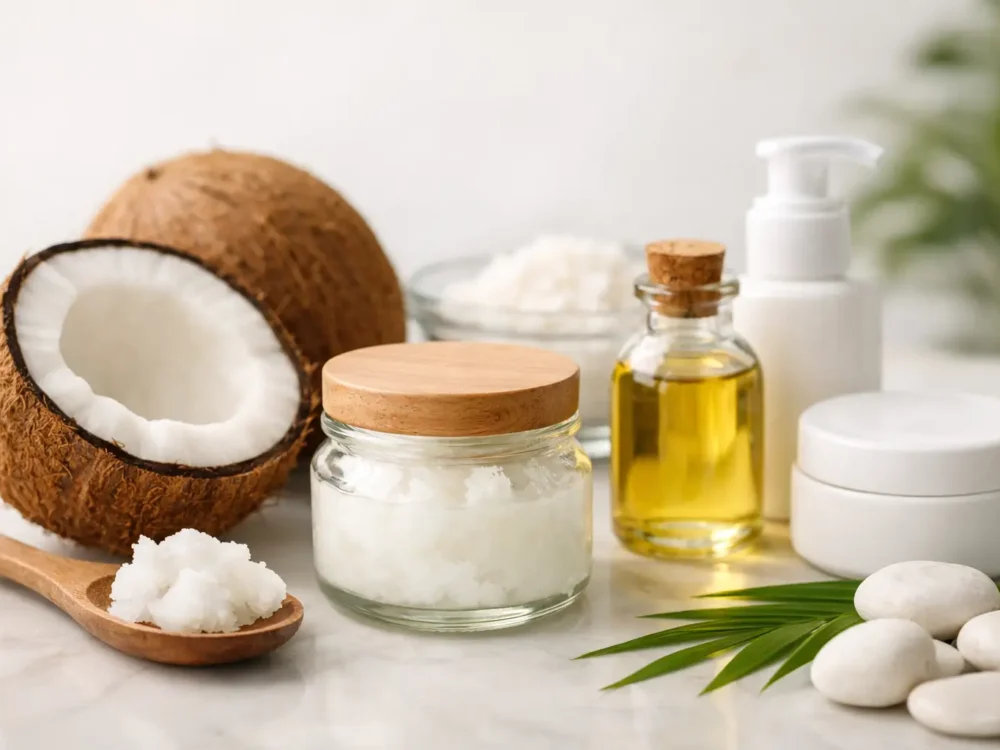
A tight, flaky feeling after cleansing is not always a sign that you need more active ingredients. Often, skin needs less disruption and better moisture retention. That is where coconut oil for skin barrier support can have a useful role – especially on dry body skin that needs a simple, protective final step.
Coconut oil is not a universal face moisturizer, and it will not repair every form of irritation. Used in the right place and in the right amount, though, it can help reduce moisture loss and leave rough, dry areas feeling softer. The key is knowing what it does well, where it can be too heavy, and how to build it into a routine your skin will actually tolerate.
What the Skin Barrier Does
Your skin barrier is the outermost protective layer of your skin. Think of it as a wall made from skin cells and natural lipids. It helps hold water in while limiting exposure to irritants, pollution, and other environmental stressors.
When that barrier is stressed, skin may feel dry, sting when you apply products, look dull, or develop flaky patches. Over-cleansing, long hot showers, low humidity, frequent exfoliation, and strong acne treatments can all contribute. A barrier-focused routine is less about piling on products and more about supporting hydration, minimizing irritation, and sealing in moisture.
Moisturizers generally work through three functions. Humectants draw water toward the skin, emollients smooth rough texture, and occlusives form a protective layer that slows water evaporation. Coconut oil is most useful as an emollient-occlusive. It softens the surface and helps keep the water already in your skin from escaping too quickly.
How Coconut Oil Supports the Skin Barrier
Extra virgin coconut oil is rich in fatty acids, including lauric acid. These oils create a soft, conditioning feel on the skin and can reduce transepidermal water loss, the natural process of water evaporating through the skin’s surface. For someone with dry arms, legs, elbows, hands, or feet, that can make a noticeable difference in comfort.
The benefit is practical: apply coconut oil over slightly damp skin after a shower, and it helps trap that water before it disappears into dry air, clothing, or air conditioning. Skin often feels more flexible and less rough without a complicated multi-step body-care routine.
Its fatty-acid profile also gives coconut oil a traditional place in personal care. But “natural” does not automatically mean suitable for every skin type. Skin response depends on the area of the body, your tendency toward clogged pores, your current routine, and whether your barrier is simply dry or actively inflamed.
It seals in moisture, but does not add much water
This distinction matters. Coconut oil is not a water-based hydrator. If you apply it to very dry skin with no moisture underneath, it may make skin feel smoother temporarily but may not address dehydration as well as a lotion or cream containing humectants such as glycerin or hyaluronic acid.
For better barrier support, apply a light moisturizer first or use coconut oil immediately after bathing while skin is still lightly damp. The moisturizer adds hydration and skin-supporting ingredients; the oil helps hold it in. This layered approach is especially useful on dry shins, knees, hands, and heels.
Is Coconut Oil Good for Your Face?
It depends. Coconut oil can be comfortable on very dry facial skin, particularly in cold or low-humidity conditions. However, it is also rich and potentially pore-clogging for some people. If you are acne-prone, oily, or frequently develop closed bumps around the forehead, cheeks, or chin, coconut oil may not be the best leave-on facial product.
This does not mean coconut oil is “bad” for skin. It means product fit matters. The skin on your face has different needs from the skin on your elbows. A formula that works beautifully for dry feet can feel congesting when used nightly on an acne-prone T-zone.
If you want to test it on your face, start cautiously. Use a tiny amount on one small area for several days, preferably over moisturizer at night. Do not introduce it at the same time as a new exfoliant, retinoid, or acne treatment. That makes it much harder to identify what is causing a reaction if your skin becomes irritated or breaks out.
Where it tends to work best
Coconut oil is often a stronger fit for the body than for the face. It can be especially useful for dry hands after washing, cuticles, elbows, knees, legs, and cracked-looking heels. It can also be used as a protective last step on dry areas exposed to air conditioning, frequent hand sanitizer use, or harsh soap.
For a streamlined routine, use a small amount after showering and let it absorb before getting dressed. More is not better. A thin layer is usually enough to reduce that slick, heavy feeling while still supporting moisture retention.
How to Use Coconut Oil for Skin Barrier Care
Start with clean skin, but avoid stripping it first. If your cleanser leaves skin squeaky or tight, it may be too harsh for frequent use. After showering or washing, pat skin dry rather than rubbing it aggressively. Leave a little moisture behind.
Warm a pea-sized amount of coconut oil between your palms, then press or smooth it onto dry areas. For larger areas such as legs, begin with a small amount and add more only if needed. Applying it over a fragrance-free cream or lotion is often the most effective method when your barrier feels depleted.
At night, coconut oil can be helpful for hands and feet. Apply it, then wear soft cotton socks or gloves if that feels comfortable. This keeps the oil where you want it and gives dry skin longer contact time without transferring product onto bedding.
Choose a clean, high-quality extra virgin coconut oil with minimal ingredients. Purity matters when you are applying a product repeatedly to stressed skin. Sterling Nutrition’s extra virgin coconut oil is a practical multipurpose option for people who want one clean staple for cooking and targeted body care.
When Coconut Oil May Not Be the Right Choice
Skip coconut oil on open wounds, infected skin, or areas with unexplained rashes. A protective oil layer can feel soothing, but it is not a treatment for an underlying infection, allergic reaction, or significant inflammatory skin condition.
If you have eczema, psoriasis, rosacea, or persistent dermatitis, coconut oil may be fine as part of a broader routine, but it should not replace medical guidance or prescribed treatment. The same applies if your skin burns, oozes, cracks deeply, or remains uncomfortable despite gentle moisturizing.
Be mindful of sensitivity, too. Coconut allergy is uncommon but possible. Patch test first by applying a small amount to the inner arm and monitoring the area for 24 to 48 hours. Stop using it if you notice itching, redness, swelling, burning, or new bumps.
Finally, remember that a compromised barrier often needs fewer variables. If your skin is reactive, keep your routine simple: a gentle cleanser, a fragrance-free moisturizer, and one protective product. Avoid introducing multiple new products in the same week.
A Better Barrier Routine Starts With Consistency
Coconut oil works best when it supports the habits around it. Use lukewarm water instead of hot water. Moisturize promptly after bathing. Avoid over-exfoliating when skin feels raw or flaky. Wear sunscreen daily on exposed skin, because UV exposure can add to barrier stress.
For dry body skin, the simplest routine can be the one you repeat: cleanse gently, apply moisturizer to damp skin, and use a light layer of coconut oil where you need extra protection. Give your skin a week or two of consistency before deciding whether the routine is helping.
Your skin barrier does not need a crowded shelf to feel supported. It needs the right balance of hydration, protection, and patience – and for the right skin type, coconut oil can be a dependable part of that daily reset.