
Currently Empty: $0.00

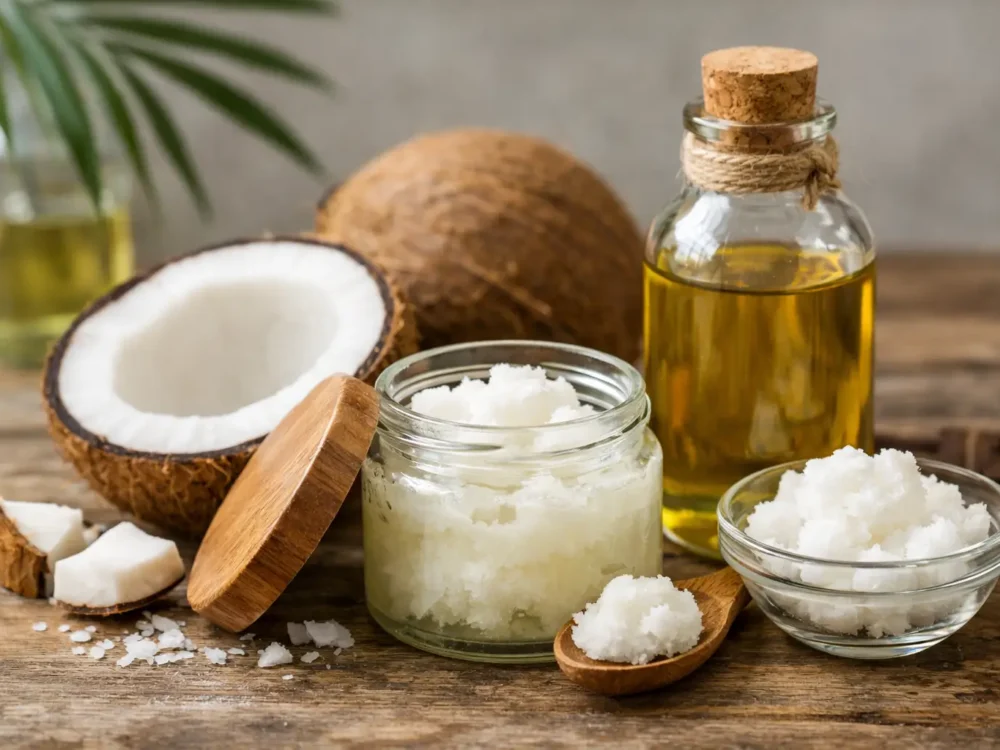
A jar of coconut oil can sit in your kitchen, your bathroom, and your gym bag – and still earn its place. That is why this guide to organic coconut oil matters for anyone trying to simplify wellness without settling for lower-quality basics. When you choose well, coconut oil can support cooking, hair care, skin care, and everyday convenience in one clean-label staple.
The catch is that not every bottle on the shelf is worth buying. Labels can look similar while the quality, processing method, texture, and intended use are very different. If you want something that fits a modern routine and still checks the boxes on purity, it helps to know what you are actually paying for.
What organic coconut oil really means
Organic coconut oil starts with coconuts grown without synthetic pesticides or fertilizers under certified organic standards. That matters to shoppers who care about cleaner sourcing, but organic is only one part of the quality story. A product can be organic and still be heavily refined, deodorized, or processed in a way that strips away some of the characteristics people usually want.
For everyday use, many shoppers prefer organic extra virgin coconut oil because it is less processed and retains the natural aroma and flavor of coconut. That makes it a strong fit for cooking, baking, and topical use. If the label simply says coconut oil without clarifying whether it is virgin, extra virgin, refined, or expeller-pressed, you are missing useful information.
The practical takeaway is simple. Organic tells you about the farming standard. Virgin or extra virgin tells you more about how the oil was handled after harvest. If your goal is a cleaner, more versatile option, both details matter.
Guide to organic coconut oil types
The best type depends on how you plan to use it. This is where a lot of people buy the wrong product.
Virgin and extra virgin coconut oil
Virgin and extra virgin coconut oil are the go-to choices for people who want minimal processing. In coconut oil, the difference between virgin and extra virgin is often more marketing than a strict technical divide, unlike olive oil. In most cases, both refer to oil made from fresh coconut meat with limited refining.
This type usually has a noticeable coconut scent and flavor. That is a plus in smoothies, oatmeal, curries, baking, and coffee if you enjoy the taste. It is also popular for skin and hair because many shoppers want the least processed option for topical use.
Refined coconut oil
Refined coconut oil has a more neutral taste and smell. That can be useful if you want the functional benefits of coconut oil in cooking without the coconut flavor showing up in every dish.
The trade-off is that refining can reduce some of the natural characteristics that make virgin coconut oil appealing. If your priority is versatility in high-volume cooking, refined may fit. If your priority is cleaner processing and multi-use wellness, virgin or extra virgin is usually the better match.
Fractionated coconut oil
Fractionated coconut oil stays liquid at room temperature because certain fatty acids have been removed. It is common in cosmetic products and massage oils.
This is not the same as the jar of coconut oil many people use in cooking. If you want an all-around household staple, fractionated oil is usually too specialized. If you specifically want a lightweight oil for skin application, it can make sense.
What to look for before you buy
A good guide to organic coconut oil should help you filter marketing claims fast. The strongest products tend to be clear, not vague.
Start with the ingredient list. Ideally, it should say 100% organic coconut oil and nothing else. If you are buying for both food and topical use, simple is better.
Next, check how the oil is described. Terms like extra virgin, cold-pressed, unrefined, and organic can signal a product aimed at purity-conscious buyers. No single label tells the whole story, but together they paint a clearer picture.
Packaging matters too. Glass jars are often preferred for purity-minded shoppers, though quality plastic packaging can be practical for everyday handling. What matters most is that the oil is sealed well, stored properly, and not exposed to unnecessary heat before purchase.
Finally, think about your routine. If you want one product for cooking, skin, and hair, choose a high-quality organic extra virgin option. If you mainly cook savory foods and do not want coconut flavor, refined may be more practical.
Benefits of organic coconut oil in daily routines
Coconut oil gets talked about as if it does everything. It does not. But it does a few things very well, and that is why it remains a staple.
In the kitchen, organic coconut oil is valued for its stability and rich texture. It works well in sautéing, baking, and dairy-free recipes. It can add body to smoothies and help create a satisfying mouthfeel in simple meals.
For skin, many people use it as a moisturizer for dry areas such as elbows, knees, and feet. It can also work as a body oil after a shower. The main caveat is that skin varies. Some people love it on the face, while others find it too heavy.
For hair, coconut oil is often used as a pre-wash treatment or as a small finishing touch on dry ends. Used properly, it can help hair feel smoother and look shinier. Used excessively, it can weigh hair down and leave buildup.
That is the broader point with coconut oil. It is effective when matched to the right use case. More is not always better.
How to use organic coconut oil without overdoing it
The easiest mistake is using too much because coconut oil feels gentle and natural. In reality, a little usually goes a long way.
In cooking
Start small. Use it to sauté vegetables, grease baking pans, or swap it into recipes that benefit from a mild coconut note. If you are trying it in coffee or smoothies, keep portions reasonable and see how it fits your taste and digestion.
For skin
Apply a small amount to slightly damp skin and focus on dry areas first. If you are acne-prone or sensitive, patch test before using it widely. Natural does not automatically mean suitable for every skin type.
For hair
Use a small amount as a pre-shampoo mask on mid-lengths and ends, then wash thoroughly. If you want a styling finish, warm a tiny amount between your hands and smooth it over flyaways. Too much can make clean hair look greasy fast.
Common misconceptions about coconut oil
One of the biggest myths is that all coconut oil is basically the same. It is not. Source, processing, and intended use can all change the experience.
Another misconception is that organic coconut oil should smell extremely strong. A fresh coconut aroma is normal in unrefined oil, but intensity can vary by batch and production method. Stronger is not always better.
There is also the idea that if a product is organic, it must be premium in every other way. Organic is valuable, but it does not replace the need to check whether the oil is virgin, unrefined, and suitable for your goals.
Is organic coconut oil right for you?
If you want one simple product that can support cooking, hair care, and body care, organic coconut oil is hard to beat. It especially suits shoppers who prefer clean-label staples and want products that pull double or triple duty in a busy routine.
If you need a neutral cooking oil for every recipe, or if your skin and scalp do not tolerate richer oils well, your best choice may be different. Wellness routines work better when they are realistic, not forced.
For many people, the sweet spot is a high-quality organic extra virgin coconut oil kept on hand for the uses where it shines most. That gives you the purity cues you want, the versatility you will actually use, and a product that feels easy to reach for day after day.
If your shelf needs one hardworking staple instead of five half-used products, organic coconut oil is still one of the smartest places to start.