Currently Empty: $0.00

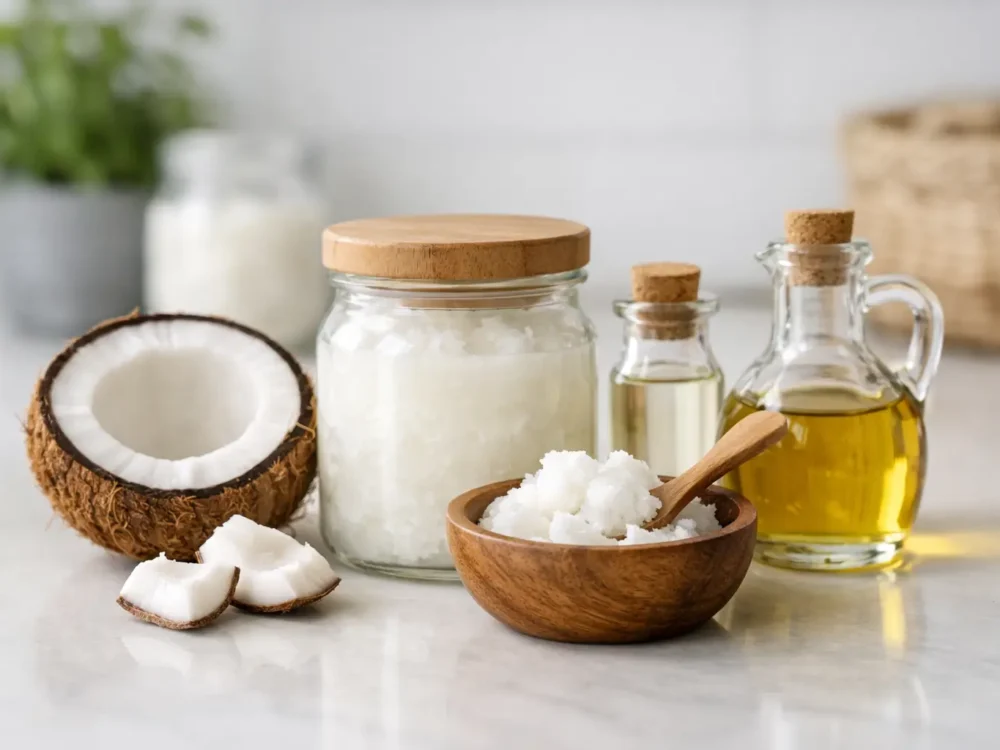
Leave organic coconut oil near a sunny window in a warm kitchen, and it can cycle from solid to liquid faster than most people expect. That does not always ruin it, but if you want the best texture, freshest aroma, and longest shelf life, knowing how to store organic coconut oil properly makes a real difference.
Coconut oil is relatively stable compared with many other natural oils because it is high in saturated fats. That stability is one reason it works so well for cooking, hair care, skin care, and everyday wellness routines. Still, “stable” does not mean “store it anywhere.” Heat, light, moisture, and repeated contamination can all shorten its useful life or change how it looks and smells.
How to store organic coconut oil for best freshness
The simplest answer is this: keep it tightly sealed in a cool, dry, dark place. A pantry or closed kitchen cabinet is usually ideal. You do not need to refrigerate it in most homes, and in many cases, refrigeration makes it harder to scoop and use.
Room temperature storage works well because coconut oil naturally changes texture with temperature. Below about 76°F, it tends to be solid or semi-solid. Above that point, it turns liquid. Both forms are normal. If your jar goes from white and firm to clear and liquid, that does not automatically mean anything is wrong.
What matters more is consistency in storage conditions. If the oil is constantly exposed to strong sunlight, steam from the stove, or frequent opening in a humid environment, quality can decline faster. For most people, the best move is to store the jar away from the oven, dishwasher, and any shelf that gets direct light during the day.
The biggest storage mistakes to avoid
A lot of coconut oil waste comes down to a few preventable habits. The first is storing it too close to heat. Many people keep oils beside the stove for convenience, but that area gets repeated temperature spikes. Over time, constant warming can affect flavor and freshness.
The second mistake is introducing moisture into the jar. If you scoop coconut oil with a wet spoon, or use fingers right after washing your hands, you increase the chance of contamination. Coconut oil does not mix with water well, and trapped moisture can create conditions you do not want in any natural product.
The third is leaving the lid loose. Oxygen exposure is not as damaging to coconut oil as it is to some delicate seed oils, but an open or poorly sealed jar still allows odors, humidity, and airborne particles in. If you use coconut oil often, get in the habit of closing it immediately after each use.
Then there is the issue of buying more than you can reasonably use. Large jars can be cost-effective, but only if you go through them steadily. If you use coconut oil occasionally for beauty or light cooking, a smaller container may keep your routine cleaner and fresher.
Is it okay if coconut oil melts and hardens again?
Yes, usually. Coconut oil naturally melts and solidifies as room temperature changes. That is normal behavior, not spoilage. If your home runs warm during the day and cooler at night, the oil may shift back and forth without any problem.
The trade-off is texture. Repeated melting and re-solidifying can make the surface look uneven, grainy, or layered. That may be less appealing if you like a smooth, creamy scoop for skin or hair use. Quality is often still fine, but convenience drops.
If texture matters to you, store the jar somewhere with fewer temperature swings. In a climate with year-round warmth, an air-conditioned cupboard often works better than an exposed counter.
Should you refrigerate organic coconut oil?
Usually, no. Refrigeration is not necessary for most households, and it can make the oil very hard. If you are using it daily, that becomes inconvenient fast.
That said, refrigeration can make sense in a few situations. If your kitchen is consistently very hot, if your home gets prolonged direct sun, or if you bought a large amount that you want to keep in reserve, colder storage may help preserve freshness. In that case, it is often smarter to keep one small working jar at room temperature and store the backup supply in a cooler place.
This is where routine matters. For busy people who want a simple wellness setup, ease of use matters just as much as shelf life. If refrigerated coconut oil becomes annoying to scoop, you are less likely to use it consistently for cooking or personal care. Practical storage is good storage.
Where to keep it in the kitchen
A dark pantry shelf is the best default option. A cabinet away from the stove is also a strong choice. You want a spot that stays relatively dry and does not heat up every time you cook.
Avoid the windowsill, the shelf above the oven, and the counter space next to a toaster or air fryer. These locations may seem harmless, but the repeated warmth adds up. If you live in a humid climate, keeping the jar away from the sink is also wise.
For people using coconut oil as part of a beauty routine, the bathroom is less ideal than many think. Bathrooms often get warm and humid, especially after showers. If you apply coconut oil to skin or hair, consider decanting a small amount into a separate clean container and keeping the main jar in a better storage area.
How to store organic coconut oil after opening
Once opened, the same core rules apply, but hygiene becomes even more important. Use a clean, dry spoon every time. If the jar is used for both cooking and topical use, be extra careful not to cross-contaminate it with food particles, water, or other products.
If several people in the household use the same jar, keep the routine simple and strict. Dry utensil, quick close, back to storage. That one habit does more for freshness than most people realize.
If you prefer a more convenient daily setup, transfer a small portion into a secondary container for regular use. Keep the larger main jar sealed and undisturbed as much as possible. This works especially well if you bought a premium organic extra virgin coconut oil and want to maintain the cleanest possible quality over time.
Glass jar vs. plastic container
Both can work, but glass generally feels more premium and tends to hold up well over time. It is less likely to absorb odors or stain, and it is easy to clean if you are reusing containers.
Plastic is lighter and less breakable, which can be useful for travel or gym-bag beauty routines. The key is not the material alone. It is whether the container seals well, stays clean, and protects the oil from heat and light.
How to tell if coconut oil has gone bad
Good coconut oil usually smells mild, slightly sweet, or gently coconut-like, depending on how processed it is. If it smells sour, sharp, stale, or generally off, trust that signal. Changes in smell are often the easiest clue.
You may also notice unusual discoloration or signs of contamination in the jar. Pure coconut oil can naturally vary in texture, but it should not look moldy or dirty. If you see anything suspicious, it is better to replace it than try to salvage it.
Taste is another indicator if you use it for food. A rancid or unpleasant flavor means it is time to discard it. Shelf life depends on the product and storage conditions, but many high-quality organic coconut oils last a long time when handled properly.
Storage tips if you use it for cooking, skin, and hair
Multi-use products are convenient, but they need cleaner handling. If you cook with coconut oil and also use it in a beauty routine, consider separate containers. One jar can stay in the kitchen, and another smaller one can be reserved for personal care.
This matters because kitchen use often involves faster opening and closing, more exposure to steam, and a greater chance of food contact. A dedicated beauty jar stays cleaner and gives you better control over texture and hygiene.
For shoppers who care about purity markers and everyday usability, this is the real goal: keep the product clean enough that it still feels easy to reach for every day. That is part of making a wellness staple actually work in real life, not just in theory.
If you are investing in a quality organic option, proper storage protects that value. A well-made product deserves more than being left uncapped near the stove. Brands focused on clean, convenient wellness, including Sterling Nutrition, build around everyday ease – and storage is part of that equation too.
A smart routine beats perfect storage
You do not need a complicated setup to keep coconut oil in great shape. A cool cabinet, a tightly sealed lid, and a dry spoon cover most of what matters. From there, it is about matching your storage to how you actually use it.
If your kitchen runs hot, adjust. If you use coconut oil for both meals and beauty, split it into separate containers. If you buy in bulk, keep a backup sealed and use one jar at a time. The best system is the one that protects freshness without adding friction to your routine.
Treat organic coconut oil like a daily essential, not an afterthought, and it will stay ready when you need it.