Currently Empty: $0.00

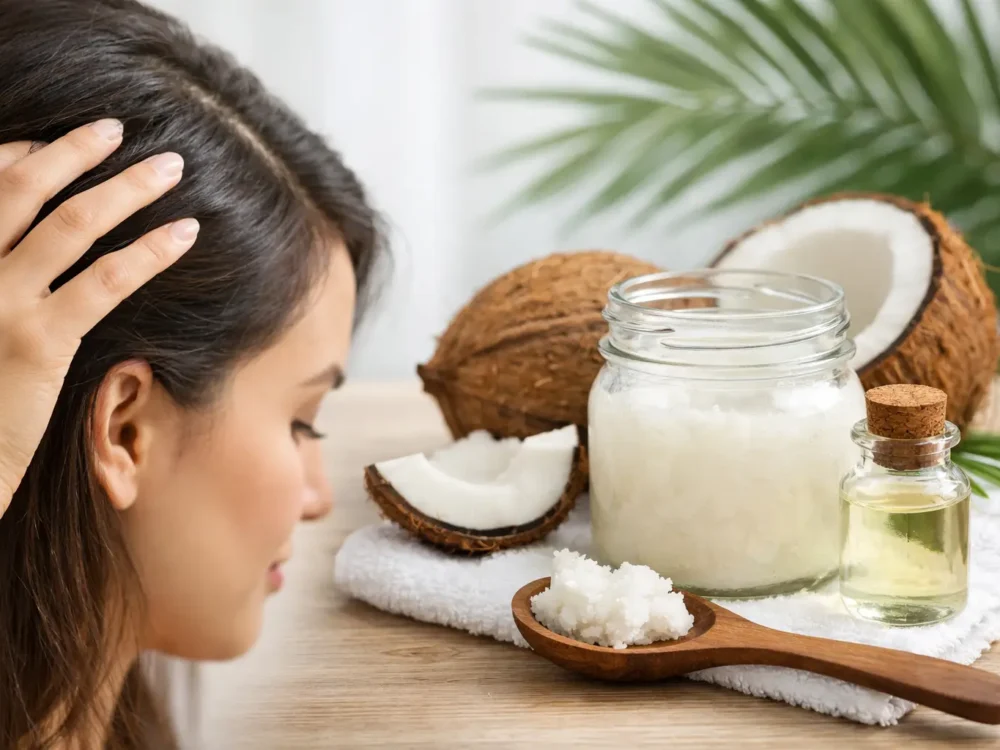
That itchy, tight feeling on your scalp usually shows up at the worst time – after a wash, before a meeting, or right when you notice flakes on a dark shirt. If you are considering organic coconut oil for dry scalp relief, the appeal is easy to understand. It is simple, familiar, and multitasking. But the real question is whether it actually helps, and if so, how to use it without making your scalp feel heavier, greasier, or more irritated.
Why organic coconut oil for dry scalp gets so much attention
Dry scalp is often less about hair and more about skin. When the scalp barrier feels stripped, moisture escapes more easily, and that can lead to itching, visible flaking, and a rough, uncomfortable feeling. Harsh shampoos, frequent washing, overuse of styling products, air conditioning, hot weather, and hard water can all play a role.
Coconut oil stands out because it is rich in fatty acids, especially lauric acid, and acts as an occlusive layer that helps reduce moisture loss. In plain terms, it can help seal in hydration after you wash or treat your scalp. That is why many people reach for it when their scalp feels dry rather than oily.
The organic part matters to shoppers who care about clean-label products and minimal processing. Organic coconut oil is often chosen because it aligns with a simpler ingredient approach and avoids some of the extra additives or refining steps that can make a product feel less appealing in a daily wellness routine.
What organic coconut oil can and cannot do
Organic coconut oil for dry scalp can help soften dry skin, reduce that tight after-wash feeling, and make flakes caused by dryness less noticeable. It may also improve the look and feel of the hair itself, especially if your lengths are frizzy, brittle, or prone to dullness. For people who wash often, heat-style regularly, or spend a lot of time in dry indoor environments, that can be a meaningful difference.
Still, this is where nuance matters. Not every flaky scalp is a dry scalp. Sometimes flaking is linked to dandruff, product buildup, seborrheic dermatitis, eczema, or sensitivity to fragrance and surfactants. In those cases, adding oil may help the skin feel less tight, but it will not always address the root issue. For some people, especially those with buildup-prone scalps, too much oil can even make things feel worse.
So yes, coconut oil can be useful, but it depends on why your scalp is dry in the first place and how your skin tends to respond to oils.
How to tell if your scalp is dry or dealing with something else
A dry scalp often feels tight, itchy, and rough, especially after cleansing. The flakes are usually small, light, and dry-looking. Your scalp may look a little dull rather than greasy.
Dandruff and seborrheic dermatitis tend to show up differently. The flakes may be larger, oilier, or yellowish, and the scalp can feel irritated while still looking greasy. If you have persistent redness, patches, soreness, or flaking that does not improve with gentler care, it may be time to stop self-experimenting and get professional advice.
This matters because organic coconut oil for dry scalp is most helpful when dryness is the main problem. If the issue is inflammation, fungal overgrowth, or contact irritation, your best fix may be a different shampoo, fewer fragranced products, or a treatment approach beyond oiling.
The best way to use coconut oil on a dry scalp
The biggest mistake is using too much. A heavy scalp oil treatment can be hard to wash out, and if residue builds up, your scalp may feel congested rather than comforted. Start small and treat it like a targeted step, not a soak.
Warm a small amount of coconut oil between your fingertips until it melts. Then apply it directly to the driest areas of the scalp in thin layers. A gentle massage for one to two minutes is enough. You do not need to scrub, and you do not need to coat every strand unless your hair lengths are dry too.
Leave it on for around 20 to 30 minutes before shampooing. If your scalp is very dry and your skin tolerates oils well, an overnight treatment can work, but that is not automatically better. For many people, a shorter pre-wash treatment is easier, cleaner, and more consistent.
Afterward, use a gentle shampoo to remove excess oil. You want your scalp to feel clean but not stripped. If one wash is not enough, a second light cleanse may be necessary. That is still better than overapplying oil and dealing with residue for days.
How often should you use organic coconut oil for dry scalp?
For most people, once or twice a week is enough. That frequency gives your scalp regular support without tipping into heaviness. If you wash your hair daily, you might prefer one deeper pre-wash treatment per week and then focus on a gentle shampoo the rest of the time.
If your scalp is only mildly dry, even once every 7 to 10 days may be enough. More is not always better. The goal is comfort and barrier support, not a permanently oily scalp.
This routine approach tends to work best for busy schedules. It is practical, easy to repeat, and does not require a complicated regimen. That is usually what makes a natural remedy stick long term.
Who may benefit most from coconut oil scalp treatments
People with naturally dry skin, textured or curly hair, heat-damaged hair, or hair that feels brittle after washing often do well with coconut oil. It can also suit those who spend a lot of time in air-conditioned spaces or wash frequently after workouts, since repeated cleansing can leave the scalp feeling stripped.
It may be especially appealing if you prefer simple, multipurpose products that fit into both beauty and wellness routines. One quality oil can support scalp care, hair softness, and even dry areas on the body, which makes it easier to justify keeping it in your routine.
That said, if your scalp gets oily quickly, if you are prone to follicle congestion, or if styling product residue is already a problem, a lighter approach may make more sense. In those cases, less frequent use or a shorter treatment time is often the smarter move.
What to look for when buying coconut oil
Quality matters because scalp care is skin care. Look for organic, extra virgin coconut oil with minimal processing and no unnecessary additives. A simple ingredient list is a good sign. If fragrance has irritated your scalp in the past, avoid products with added scent.
Texture matters too. Good coconut oil should melt easily in your hands and feel clean, not waxy or overly perfumed. If you want a product that fits a modern routine, purity cues like organic, non-GMO, and cruelty-free can help narrow the options quickly.
For shoppers who want straightforward quality without overcomplicating the search, Sterling Nutrition positions extra virgin coconut oil around that same clean, routine-friendly standard – practical, pure, and easy to use consistently.
Common mistakes that can make dryness worse
The first is applying oil to a scalp that is reacting to something else. If your shampoo is too harsh or your styling products are irritating your skin, oil may only mask the discomfort for a short time.
The second is poor washout. Leftover residue can mix with sweat and product, especially in humid conditions, and leave the scalp feeling less fresh. The third is expecting instant transformation. Dry scalp usually improves through a combination of gentler cleansing, smarter wash frequency, and regular but moderate moisture support.
It also helps to lower the temperature of your showers, avoid scratching, and give new products enough time to show results. If your scalp is irritated, aggressive exfoliation is rarely the answer.
When coconut oil is a good choice – and when it is not
If your scalp feels dry after shampooing, flakes look small and powdery, and your hair also feels thirsty, coconut oil is a strong candidate. It is simple, accessible, and easy to work into a pre-wash routine.
If your scalp is inflamed, greasy, persistently itchy, or covered with stubborn flakes that keep returning, coconut oil might still feel soothing, but it should not be your only strategy. That is the point where diagnosis matters more than experimentation.
Used well, organic coconut oil for dry scalp is less about chasing a trend and more about giving your scalp a protective, low-effort support step that fits real life. Start small, stay consistent, and pay attention to how your scalp responds. The best routine is the one that makes your skin feel calm enough that you stop thinking about it.