
Currently Empty: $0.00

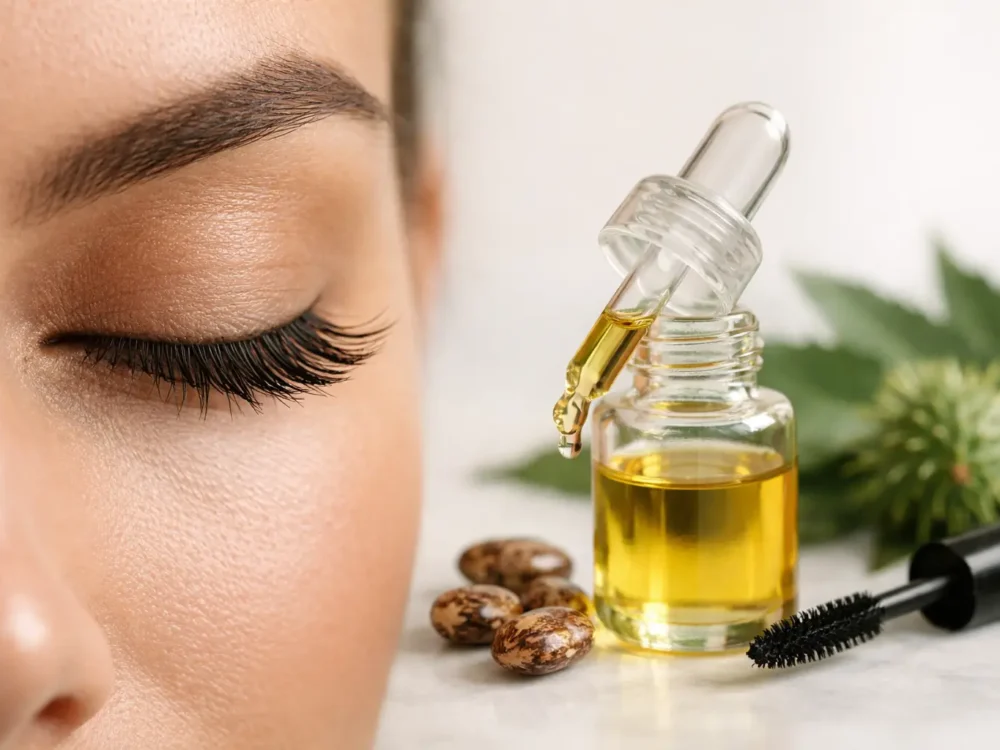
Longer-looking lashes can change your whole face, but most people are not looking for a 12-step routine or another expensive serum. That is exactly why castor oil for eyelashes keeps coming up. It is simple, familiar, and easy to work into a nightly routine. The real question is whether it actually helps lashes grow – or whether it just makes them look healthier.
Castor oil for eyelashes: what people expect vs. what it does
Castor oil has a strong reputation in beauty circles, especially for hair, brows, and lashes. A big part of that comes from ricinoleic acid, the fatty acid that makes castor oil thick, conditioning, and highly emollient. When applied to lashes, it coats the hair shaft and helps reduce dryness, which can make lashes appear fuller, darker, and shinier.
That distinction matters. There is not strong clinical evidence showing castor oil directly stimulates eyelash growth the way prescription lash treatments can. If your goal is dramatically longer lashes in a few weeks, castor oil may feel underwhelming. If your goal is to support the lashes you already have by reducing brittleness and improving condition, it makes more sense.
For many people, healthier lashes are still a win. Dry, fragile lashes break more easily, especially if you wear mascara often, rub your eyes, or use waterproof makeup. A conditioning oil can help lashes stay more flexible, and that may reduce the look of thinning over time.
Why castor oil can make lashes look better
The biggest benefit of castor oil is not magic growth. It is protection and conditioning.
Lashes go through normal shedding cycles, and daily stress adds up fast. Makeup removal, lash curlers, friction from cleansing, and even sleeping face-down can leave lashes dry and more likely to snap. Because castor oil is thick and occlusive, it helps seal in moisture and creates a smoother surface on the lash hair.
That can translate into lashes that look glossier and slightly more defined. Some people also notice less fallout over time, but this is often because the lashes are better conditioned, not because new growth is happening at a faster rate. It depends on the person, their skin sensitivity, and how consistent they are.
This is also where product quality matters. For use near the eyes, you want a clean, simple castor oil without unnecessary additives, fragrance, or questionable fillers. Organic, cold-pressed, and hexane-free options tend to be the best fit for a beauty routine built around purity and daily use.
How to use castor oil for eyelashes safely
The eye area is not the place for guesswork. Castor oil may be natural, but natural does not automatically mean irritation-free.
Start with clean skin and completely removed eye makeup. Use a fresh spoolie or a very fine eyeliner brush, and apply a tiny amount of oil to the lashes, focusing on the mid-lengths to tips. You do not need to drench the lash line. In fact, less is better here. A thin coat is enough.
Apply it at night so it has time to sit without makeup layered over it. If too much product gets into the eye, it can blur vision temporarily or cause discomfort. That is why a light hand matters more than quantity.
If you are trying castor oil for the first time, patch test it first on another area of skin. Then use it sparingly around the eyes for the first few nights. If you notice redness, itching, swelling, or burning, stop immediately.
Consistency matters more than overapplying. A small amount used regularly is the smarter routine.
A simple nightly routine
For most people, the easiest method is to use castor oil as the final step after cleansing. Brush a minimal amount onto the upper lashes and leave it alone. There is no need to reapply, combine it with multiple oils, or layer on heavy products.
This is one of those cases where a low-effort routine tends to work best. Busy professionals and routine-focused shoppers usually stick with products that feel quick and practical. Castor oil fits that well when used properly.
How long does castor oil take to show results?
This is where expectations need to stay realistic. If castor oil helps your lashes look healthier, you are usually looking at several weeks of consistent use before noticing a visible difference. Even then, the change is often subtle.
You may see lashes that appear smoother, softer, or a little fuller because they are less dry. You may not see dramatic new length. Lashes grow in cycles, and no topical oil can bypass biology.
If someone claims overnight growth or extreme transformation from castor oil alone, that is probably marketing, lighting, or both. Better-looking lashes are possible. Instant miracle results are not.
Who should skip castor oil for eyelashes?
Castor oil is not for everyone. If you have very sensitive eyes, a history of eyelid dermatitis, active eye irritation, or frequent allergic reactions to skincare, this may not be the right experiment.
It may also be a poor fit if you wear contact lenses and tend to apply products too close to the waterline. Oil migration can get annoying fast. People with milia-prone skin around the eyes may also want to be cautious, since heavier oils can sometimes contribute to congestion in that area.
And if your lashes are thinning suddenly or significantly, do not assume it is just a cosmetic issue. Hormonal changes, nutritional gaps, stress, overuse of extensions, and certain medical conditions can all play a role. In that case, conditioning alone may not solve the problem.
Castor oil vs. lash serums
This is the most useful comparison because it helps set the right expectation before you buy anything.
Castor oil is best viewed as a conditioning product. It is simple, often affordable, and appealing to people who prefer minimal-ingredient beauty staples. It can support the appearance of lashes by helping them stay soft and less brittle.
Lash serums, on the other hand, are usually designed with a more targeted goal. Some rely on peptides and conditioning agents. Others use active ingredients intended to influence the growth phase more directly. Those formulas may offer more noticeable results, but they also tend to cost more and can come with a higher chance of irritation depending on the formula.
So which is better? It depends on what you want. If you are after a clean, routine-friendly option that supports lash condition, castor oil is a solid place to start. If you want stronger growth-focused performance and are comfortable paying more, a well-formulated serum may be the better fit.
Choosing a better castor oil for eyelashes
Not all castor oil is equally appealing for use near the eyes. The safest bet is a product with a short ingredient list and clear quality markers. Look for organic and cold-pressed if possible, and avoid added fragrance or unnecessary blends when your main goal is lash care.
Texture matters too. Castor oil is naturally thick, but it should still feel clean, not rancid or overly processed. Packaging helps as well. A well-sealed bottle and hygienic application tools make nightly use easier and more reliable.
For shoppers who care about clean-label standards, this is where those details count. Cruelty-free, non-GMO, and purity-focused sourcing are not just nice extras when you are applying a product near your eyes. They help reduce friction in the buying decision and make consistent use feel more trustworthy.
The bottom line on castor oil for eyelashes
Castor oil is not a shortcut to prescription-level lash growth, but that does not make it useless. Used carefully and consistently, it can help lashes look healthier, softer, and less stressed by daily wear. For many people, that is enough to make lashes appear fuller over time.
If you want a beauty routine that is simple, affordable, and easy to maintain, castor oil can earn its place. Just keep your expectations grounded, choose a high-quality product, and treat the eye area with care. Sometimes the best routine is not the most dramatic one – it is the one you can actually stick with every night.