Currently Empty: $0.00

You do not need a chemistry degree to shop for a cleaner supplement. But if you have ever flipped over a bottle and found a wall of tiny print, vague claims, and ingredient names you cannot pronounce, it helps to know what actually matters. Learning how to read supplement purity labels can save you from overpaying for filler-heavy formulas and help you choose products that fit your routine, goals, and standards.
For most shoppers, purity is not just about what is in the bottle. It is also about what is not. A supplement can look premium from the front label, then reveal unnecessary additives, unclear sourcing, or weak active amounts on the back. That is where a smarter label check makes a real difference.
How to read supplement purity labels without getting fooled
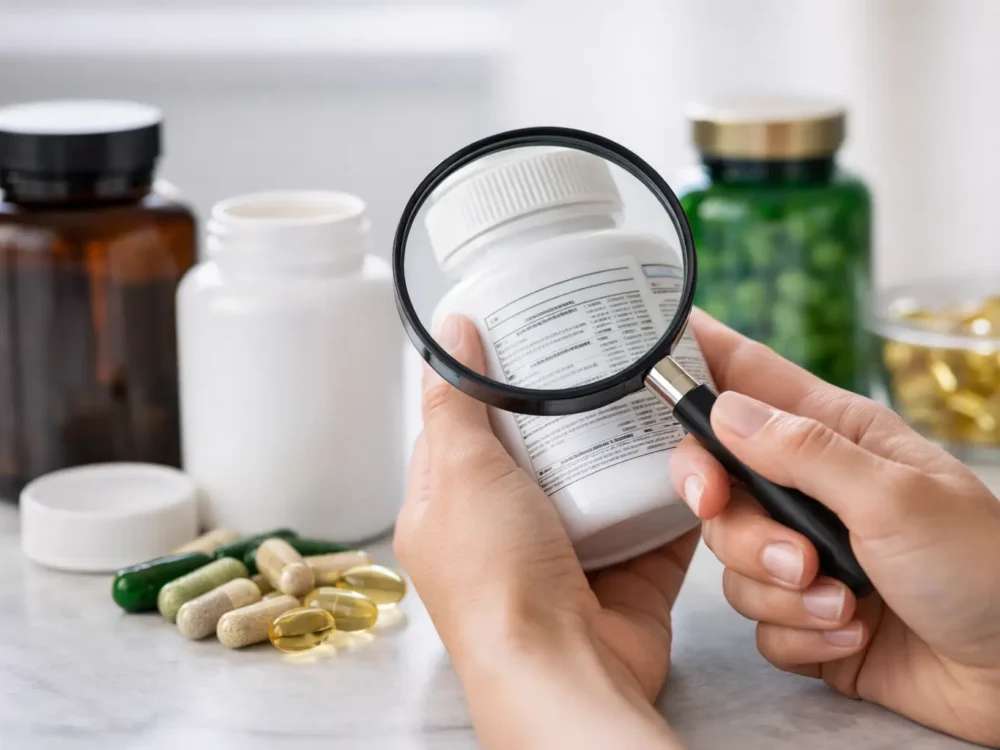
Start with the Supplement Facts panel, not the marketing claims. Front-label language like natural, clean, premium, or wellness blend can be useful, but it is not the part that tells you what you are actually buying. The Supplement Facts panel shows the serving size, active ingredients, and dosage per serving. That is the real foundation.
The first thing to check is whether the ingredient you want is clearly named and quantified. If you are buying black seed oil, for example, the label should not hide behind a vague herbal complex. It should tell you what form is included and how much you get per serving. If the product highlights a key compound such as thymoquinone, it is even better when that marker is stated clearly rather than implied through broad plant claims.
Then look at the serving size closely. A bottle may advertise a strong dose, but that number can depend on taking several capsules or softgels at once. That is not always a bad thing, but it matters for consistency, value, and routine compliance. Busy shoppers usually do better with formats they will actually take daily.
Purity is about the full formula, not one hero ingredient
A clean-looking active ingredient can still sit inside a cluttered formula. After the Supplement Facts panel, read the Other Ingredients section. This is where many purity questions get answered.
Some inactive ingredients are functional and normal. Capsules need a shell. Powders may need anti-caking agents to keep them usable. Effervescent formats require specific ingredients to create the fizz and improve taste. Purity does not mean zero processing. It means the formula is transparent, purposeful, and not overloaded with unnecessary extras.
What should make you pause is a long list of colorants, sweeteners, fillers, or binders that do not seem essential to the format. The trade-off here is simple. Some convenience products need support ingredients to stay stable, taste better, or dissolve properly. But when the inactive list starts looking longer than the active list, that is usually a sign to compare alternatives.
A better label usually makes the formula feel intentional. You can see why each ingredient is there, and the product does not rely on a dozen extras to create the impression of value.
Look for purity markers that mean something
When shoppers talk about clean supplements, they often mean recognizable quality cues. Labels such as non-GMO, vegan, cruelty-free, organic, and made without common allergens can help narrow your options. These markers are useful because they reflect sourcing choices and manufacturing standards that many health-conscious buyers care about.
That said, purity markers are not all equal in every category. Organic can matter a lot for certain botanicals and oils. Vegan matters if you want plant-based capsules or want to avoid gelatin softgels. Non-GMO may be important to your household standard. Cruelty-free is often a brand-trust signal, especially for wellness shoppers who care about broader ethical choices.
The key is not to treat any one badge as proof that the entire product is superior. A supplement can carry one attractive claim and still underdeliver on dosage, transparency, or ingredient quality. Use purity markers as supporting evidence, not the final decision-maker.
How to read ingredient forms on supplement labels
Not all forms of an ingredient perform the same way in a daily routine. This is where label reading becomes more practical than technical.
Take magnesium as a familiar example. Different forms can be used for different goals and tolerability preferences. The same logic applies across many categories, including oils, herbal extracts, and hydration products. An electrolyte formula, for instance, should make clear which minerals are included and in what amounts. If it only says electrolyte blend without specifics, that is a transparency problem.
With herbal supplements, the label should ideally state whether you are getting raw powder, an extract, or a standardized compound. Standardized extracts can be especially useful when a brand is aiming for consistency from bottle to bottle. For shoppers who want routine results, that consistency matters.
This is one reason modern wellness brands are leaning into clearly labeled softgels, capsules, and effervescents. Convenience only works when the formula is still easy to understand.
Watch for proprietary blends and unclear dosages
One of the easiest ways to spot a weaker label is to look for proprietary blends. These are grouped ingredient lists that tell you the total combined weight, but not how much of each ingredient is inside.
Sometimes brands use them to protect a formula concept. More often, they make it harder for you to judge potency. If a blend includes five ingredients and one of them is the reason you are buying the product, you have no way to know whether you are getting a meaningful amount.
That does not mean every blend is automatically bad. It does mean you are being asked to trust the brand more than the label. If transparency is your priority, individually listed ingredients with exact amounts are the stronger choice.
Certifications, testing, and what to look for
If you want the label to go beyond basic claims, look for signs of testing and quality control. Third-party tested, heavy metal tested, and manufactured in GMP-compliant facilities are all helpful trust signals when they are presented clearly.
This is especially relevant for oils, botanicals, and concentrated wellness products where purity can depend on sourcing, extraction, and manufacturing discipline. A high-quality product should make it reasonably easy to understand how the brand thinks about purity. If testing is mentioned vaguely with no context, that is less persuasive than specific, plain-language quality statements.
For online supplement shoppers, this matters because you cannot inspect the product in person before buying. You are relying on label clarity and brand transparency to reduce risk.
Marketing language versus useful label language
Some supplement labels are built to inform. Others are built to impress. Knowing the difference helps you shop faster.
Useful label language tells you the form, amount, serving size, and purity markers in a direct way. It gives you enough detail to compare products confidently. Marketing-heavy language leans on words like advanced, elite, premium, or total wellness support without telling you much about what is actually inside.
A strong brand can do both. It can present a product as convenient, high-performing, and easy to use while still being precise about what you are paying for. That balance is what shoppers should reward.
For example, a clean-label electrolyte tablet can absolutely be marketed around workout hydration and everyday convenience. But the label still needs to show the actual mineral amounts, sweetener choices, and other formula details. Convenience should not come at the cost of clarity.
A practical label check before you buy
If you want a fast way to evaluate a supplement, use this mental checklist. First, identify the main active ingredient and its exact amount. Next, review the serving size and ask whether it fits your routine. Then scan the Other Ingredients section for unnecessary extras. After that, check for meaningful purity markers, transparent ingredient forms, and any testing or manufacturing quality statements.
If all of that looks strong, the final filter is personal fit. A product can be well made and still not be right for your goals, dietary preferences, or schedule. Softgels may work better for consistency. Effervescents may be easier if taste and convenience matter more. Oils may appeal to shoppers who prefer versatile formats. Purity is not only about the label. It is also about whether the product supports real daily use.
That is the smart way to approach how to read supplement purity labels. You are not looking for perfection. You are looking for clear formulas, honest disclosure, and a product you will feel good taking again tomorrow.
If a label makes you work too hard to understand what is in the bottle, keep shopping. The best supplements make quality easy to see.