Currently Empty: $0.00

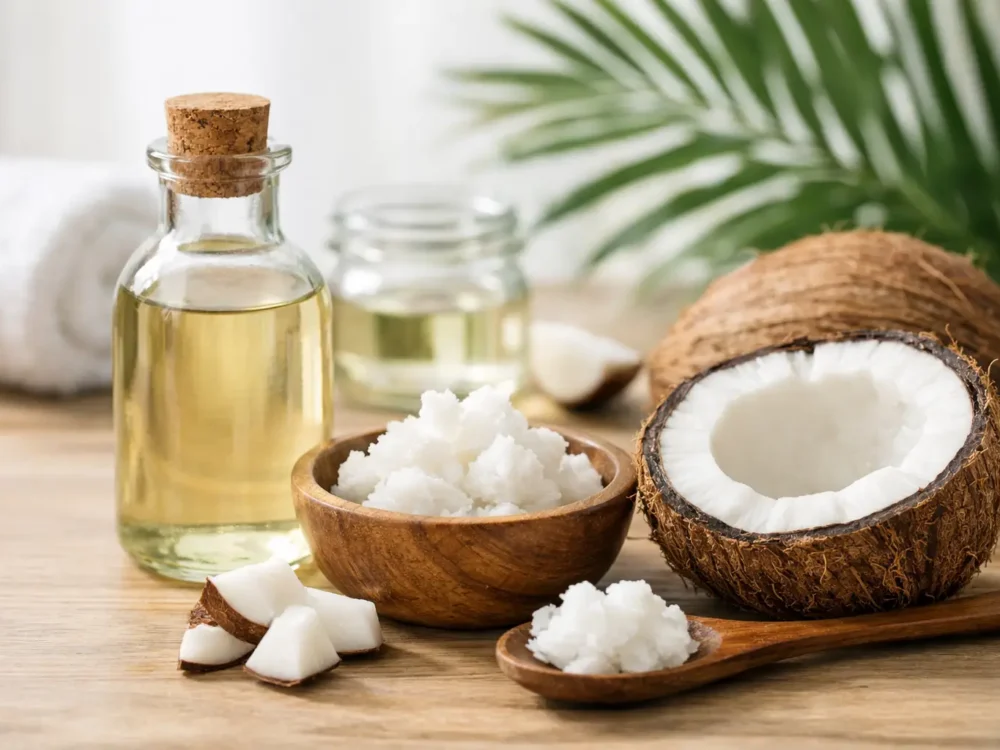
Some products earn a permanent spot in the kitchen and bathroom because they simply do more. Extra virgin coconut oil is one of them. For people who want cleaner ingredients, fewer cluttered products, and practical daily use, it stands out as a versatile staple that works across cooking, personal care, and simple wellness routines.
That versatility is exactly why it keeps showing up in modern wellness carts. Busy professionals want ingredients that are easy to use. Fitness-minded shoppers want options that fit straightforward habits. Beauty-and-wellness buyers want a multipurpose oil that feels natural, effective, and uncomplicated. When the quality is right, extra virgin coconut oil checks those boxes without asking you to overhaul your routine.
What extra virgin coconut oil actually means
Not all coconut oil is the same, and this is where quality starts to matter. Extra virgin coconut oil is generally made from fresh coconut meat rather than dried copra, and it is typically processed in a way that preserves more of the coconut’s natural aroma and character. In practical terms, that usually means a fresher scent, a cleaner taste, and less heavy processing.
For everyday buyers, the label matters because it signals what kind of product you are bringing into your kitchen or applying to your skin and hair. A cleaner product with organic, non-GMO, vegan, and cruelty-free positioning often aligns better with a modern wellness routine. It is not only about marketing language. It is also about reducing the guesswork when you want a product that feels simple and dependable.
There is a trade-off, though. Because extra virgin coconut oil keeps more of its natural coconut profile, some people love the aroma and flavor while others prefer a more neutral oil for certain recipes. If you want a totally invisible cooking oil, refined options may feel easier. If you value minimal processing and a more natural profile, extra virgin is usually the better fit.
Why extra virgin coconut oil remains popular
The appeal comes down to convenience and range. One jar can support several routines at once. That matters if you prefer functional products over single-purpose ones.
In the kitchen, extra virgin coconut oil is often used for sautéing, baking, and adding richness to smoothies or oatmeal. It has a distinct coconut taste, so it tends to work especially well in recipes where that flavor complements the dish. Think curries, granola, baked goods, or tropical-style bowls. If you are meal prepping, it can be an easy pantry staple to keep on hand.
Outside the kitchen, it is commonly used as a hair oil, scalp treatment, makeup remover, body moisturizer, and cuticle softener. Many people like that it feels familiar and uncomplicated compared with long ingredient lists. You are not juggling five separate jars for five separate tasks. You are using one product in a few smart ways.
This is also where routine matters more than hype. No single natural product does everything, and extra virgin coconut oil is not a miracle fix. But if you use it consistently in the right ways, it can become one of those reliable basics that earns repeat use.
Extra virgin coconut oil in food and wellness routines
For cooking, extra virgin coconut oil works best when you actually enjoy its taste. That sounds obvious, but it matters. Some oils disappear into a dish. This one brings its own character. In sweet recipes, that can be a plus. In savory recipes, it depends on the flavor profile you are after.
It is also popular with people who prefer pantry ingredients that feel less processed. If your shopping habits already lean toward natural staples, this oil fits that mindset well. It is easy to scoop, store, and use without much effort, which is helpful when your weekday routine is already full.
For wellness-focused shoppers, the real value is less about chasing trends and more about choosing products that support consistency. A product you actually use every week is more useful than one with impressive claims that sits untouched in the cabinet. Extra virgin coconut oil tends to succeed because it is approachable. You do not need a complicated plan to make it part of your day.
That said, moderation and context still matter. Coconut oil is calorie-dense like other oils, so it makes sense to use it intentionally as part of an overall balanced diet. If your focus is strictly neutral flavor or specific nutrition targets, another oil may sometimes be a better culinary choice. It depends on your goals, your recipes, and your preferences.
Extra virgin coconut oil for hair and skin
This is where many customers become repeat buyers. Extra virgin coconut oil is widely used in beauty routines because it is simple, multipurpose, and easy to apply.
For hair, people often use it as a pre-wash treatment on the lengths and ends to soften dry strands and improve the look of shine. Some also massage a small amount onto the scalp before washing. If your hair is thick, curly, coarse, or heat-styled often, this can feel especially helpful. If your hair is very fine, you may need much less product to avoid weighing it down.
For skin, it is commonly used as a body moisturizer, especially on dry areas like elbows, knees, and heels. It can also work well as a cleansing balm or as part of a simple evening routine. The texture is richer than a lightweight lotion, so the experience depends on your skin type and climate. In humid weather, some people love the protective feel while others prefer to use it only at night or on specific dry patches.
This is a good example of how natural products still require a personalized approach. Something can be high quality and still not be right for every skin type. If you are acne-prone or sensitive, patch testing makes sense before applying it more broadly. Smart wellness is not about assuming one ingredient suits everyone. It is about finding the right fit for your routine.
How to choose a good extra virgin coconut oil
When you are buying online, quality cues make all the difference. Look for clear labeling and a product page that does not bury the basics. You want to know what you are getting without decoding vague claims.
A strong product typically highlights purity markers such as organic sourcing, non-GMO positioning, vegan standards, cruelty-free status, and minimal processing. Packaging matters too. A well-sealed jar, transparent ingredient information, and a straightforward brand presentation all help build confidence.
Customer reviews can also be useful, especially when they mention real-world use rather than generic praise. Comments about aroma, texture, taste, hair results, or repeat purchases tell you more than broad claims ever will. In a crowded category, proof of consistency matters.
Price should be considered in context. The cheapest jar is not always the best value if the quality feels off, the scent is stale, or the texture seems inconsistent. A slightly better product that you enjoy using across cooking and personal care may actually deliver more value over time. If there is a first-order discount or bundle offer available, that can make trying a higher-quality option more practical.
Where extra virgin coconut oil fits best
The best use case is simple: people who want one clean-label staple that supports several habits without adding friction. If you like products that are easy to understand and easy to use, it fits naturally. If you want highly specialized results in every category, you may still use it, but alongside more targeted products.
That balance is worth remembering. Extra virgin coconut oil is not trying to be a lab-built all-in-one formula. Its strength is that it is familiar, flexible, and efficient. It earns trust because it does a few useful things well.
For many shoppers, that is exactly the point. You want products that support everyday consistency, not products that require a new routine every week. A clean, well-sourced jar of extra virgin coconut oil can move from pantry to shower shelf without feeling out of place, and that kind of practicality is hard to beat.
If you are building a smarter wellness routine, start with products you will actually reach for. The right extra virgin coconut oil is not about doing more. It is about making daily care feel simpler, cleaner, and easier to stick with.