
Currently Empty: $0.00

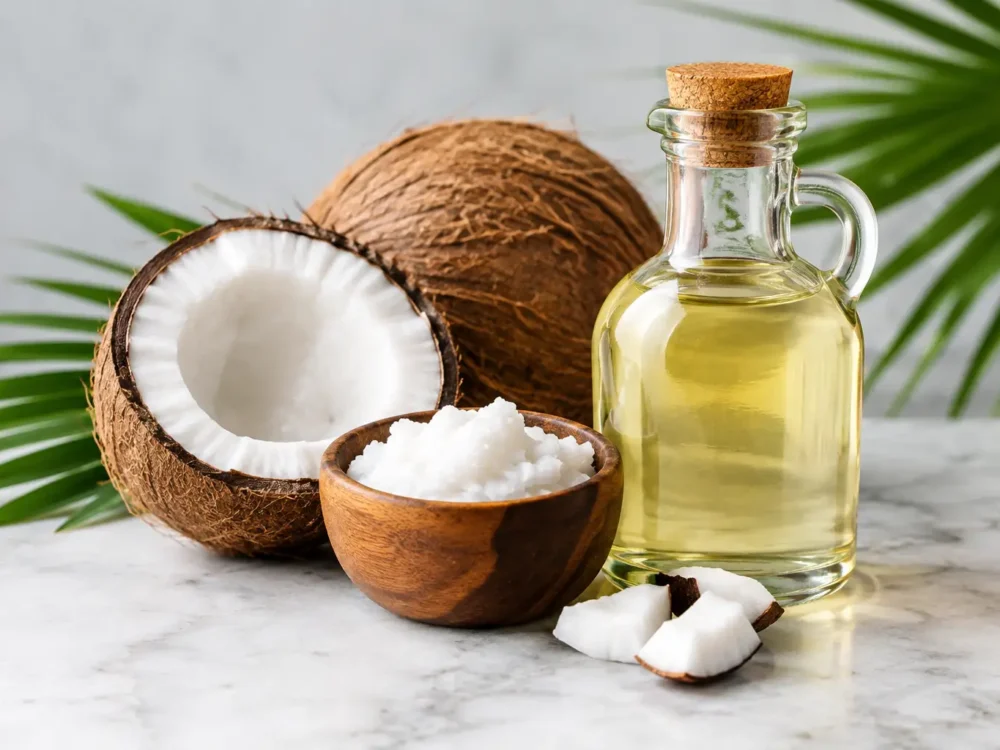
A good coconut oil review should answer more than whether the jar smells fresh or looks appealing on the counter. The real question is whether extra virgin coconut oil earns a place in your daily routine – for cooking, dry skin, hair care, or all three – without becoming another product you forget to use.
For shoppers who want clean-label wellness staples that work hard in more than one setting, coconut oil can be a smart buy. But not every oil is the same, and it is not the best choice for every recipe, skin type, or health goal. Here is what to look for before adding a jar to your cart.
Coconut Oil Review: What Extra Virgin Actually Means
Extra virgin coconut oil is generally made from fresh coconut meat rather than dried copra. The oil is extracted with minimal processing, helping preserve its naturally recognizable coconut aroma and flavor. That is why a quality extra virgin oil often tastes lightly sweet and tropical rather than neutral.
For everyday users, this distinction matters most in the experience. Extra virgin coconut oil is usually the better choice when you want a flavorful cooking oil or a simple beauty staple with fewer unnecessary extras. It should have a short ingredient list: ideally, just organic extra virgin coconut oil.
Refined coconut oil has a place, too. It usually has a milder flavor and can suit recipes where you do not want coconut notes. If your priority is an unflavored oil for high-heat cooking, refined may be more practical. If you value minimal processing, natural aroma, and multipurpose use, extra virgin is the stronger fit.
The Quality Checks That Matter Before You Buy
The label tells you a lot before you ever open the jar. Organic certification can be a useful signal for shoppers who prefer ingredients produced without synthetic pesticides or fertilizers. Non-GMO positioning, vegan standards, and cruelty-free commitments may also matter if you are building a wellness routine around clear sourcing values.
Packaging deserves attention as well. A tightly sealed glass jar helps protect the oil from moisture and unwanted odors. Coconut oil is naturally solid at cooler room temperatures and turns liquid in warmer conditions. That shift is normal and does not mean the product has spoiled. You can scoop, spread, or pour it depending on the temperature in your kitchen.
Freshness is the final test. Extra virgin coconut oil should smell clean and pleasantly coconut-forward. A sour, stale, or sharply rancid smell is a reason to skip it. Check the best-by date, store the jar in a cool, dry cupboard, and always use a clean, dry spoon to avoid introducing water into the product.
What a clean formula looks like
For a straightforward coconut oil, more ingredients are rarely better. Skip products padded with artificial fragrance, colorants, or vague blends when your goal is pure oil for food and topical use. A transparent label, clear country-of-origin information, and a brand willing to explain its quality standards all make purchasing easier.
Price matters, but value is more useful than the lowest sticker price. A larger jar can make sense when coconut oil is part of your regular cooking and beauty routine. If you are testing it for the first time or only need it occasionally, a smaller jar helps prevent waste.
How It Performs in the Kitchen
Coconut oil is especially enjoyable in foods that welcome its flavor. Think oatmeal, granola, pancakes, curries, rice dishes, roasted sweet potatoes, and homemade energy bites. It can also replace butter or other oils in selected baking recipes, although its solid texture means you may need to melt and measure it carefully.
Extra virgin coconut oil is better suited to low- to medium-heat cooking than intense, prolonged frying. Its smoke point is commonly cited around 350°F, though it can vary by product and processing method. For a quick sauté, baking, or gentle pan cooking, it is a reliable option. For very high-temperature searing, grilling, or deep frying, an oil with a higher smoke point is often the better tool.
Nutrition is where realistic expectations matter. Coconut oil is high in saturated fat, so it is not a free pass to add large spoonfuls to every meal. It can fit within an overall balanced eating pattern, but variety is still key. Rotate fats based on the dish and your broader dietary needs, including options such as olive oil, avocado oil, nuts, seeds, and fatty fish.
A practical way to use it
Start with the amount your recipe calls for rather than treating coconut oil as a supplement. Its rich texture and distinct flavor go a long way. If you are swapping it into baking, remember that coconut oil can firm up as it cools, which may make cookies crisper or chilled treats more solid than recipes made with liquid oil.
Coconut Oil for Hair and Skin: Where It Shines
Coconut oil is popular well beyond the kitchen because it is an effective occlusive moisturizer. In simple terms, it helps reduce moisture loss by creating a protective layer on the skin or hair. That makes it particularly useful for dry elbows, rough heels, cuticles, and the ends of hair that need a little extra softness.
For hair, use a small amount. Warm a pea-sized portion between your palms and smooth it through dry ends or flyaways. People with thick, coarse, or very dry hair may enjoy a pre-wash oil treatment, while those with fine hair may find that even a little feels heavy. Start light, then adjust.
For skin, coconut oil works best on the body for many people. Apply it to damp skin after a shower to help seal in moisture. It can also be used as a simple massage oil or as a makeup-removing first cleanse, followed by your regular facial cleanser.
There is a trade-off for acne-prone skin. Coconut oil can feel too rich and may contribute to clogged pores for some users, especially on the face. If you are prone to breakouts, reserve it for the body or perform a small patch test first. The same caution applies if you have sensitive skin, eczema, or a known coconut allergy – natural does not automatically mean suitable for everyone.
Who Should Buy Extra Virgin Coconut Oil?
Extra virgin coconut oil is a strong match for the shopper who wants one pure product with multiple uses. It is practical for home cooks who enjoy coconut flavor, beauty shoppers looking for a no-fuss body moisturizer, and anyone who prefers a minimal-ingredient staple over heavily fragranced alternatives.
It may not be the right purchase if you dislike coconut taste, need a high-heat cooking oil, or want a lightweight facial moisturizer. In those cases, choose an oil based on the job at hand rather than forcing one product to do everything.
The best coconut oil is not necessarily the trendiest jar. It is the one with a clean label, a fresh aroma, and a format you will realistically reach for week after week. Choose extra virgin when you want the natural character of coconut, use it thoughtfully, and let it earn its space in your kitchen and self-care routine.