Currently Empty: $0.00

A jar of coconut oil can earn a permanent place in the kitchen, bathroom, or gym bag – but only if it suits the way you will actually use it. The choice between organic versus refined coconut oil is not about one being universally better. It is about flavor, processing, heat tolerance, and the quality standards that matter in your daily routine.
For many wellness-focused shoppers, extra virgin organic coconut oil is the obvious pick because it is minimally processed and has a recognizable coconut aroma. Refined coconut oil has a different advantage: a more neutral taste and a higher smoke point that can make everyday high-heat cooking easier. Knowing the distinction helps you buy with purpose rather than letting a label make the decision for you.
Organic Versus Refined Coconut Oil: The Real Difference
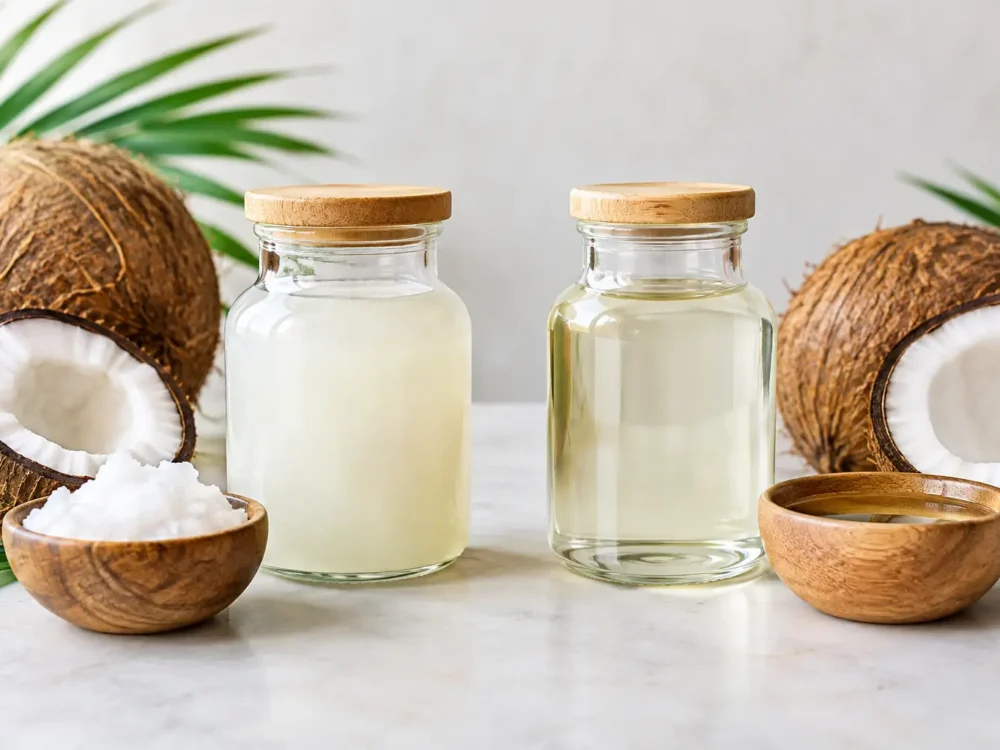
“Organic” and “refined” describe different parts of a product story, so they should not be treated as direct opposites. Organic refers to how coconuts are grown and handled according to organic certification standards. Refined refers to the processing used after the oil is extracted.
Organic extra virgin coconut oil is typically made from fresh coconut meat. The oil is pressed with minimal processing, helping preserve its natural coconut flavor, aroma, and some naturally occurring plant compounds. It is often called virgin or extra virgin coconut oil, although the industry does not use “extra virgin” as tightly as olive oil does. What matters most is that the product clearly states how it is made and what ingredients it contains.
Refined coconut oil is generally made from dried coconut meat, often called copra. It goes through additional processing to remove stronger flavor, aroma, and impurities. Depending on the manufacturer, this can involve filtering, deodorizing, or other refining steps. A good refined oil should still contain just one ingredient: coconut oil.
That distinction leads to a practical rule: organic signals farming and certification practices, while refined signals a more processed, neutral cooking oil. You may even find organic refined coconut oil, so read beyond the front label.
Choose Based on How You Plan to Use It
The best coconut oil for your household is the one that works consistently in your favorite meals and self-care habits. Start with the job you need it to do.
For flavor-forward cooking and baking
Organic extra virgin coconut oil is a strong choice when you want the subtle sweetness and aroma of coconut to come through. It works particularly well in granola, energy bites, curries, dairy-free desserts, popcorn, and tropical-style sauces. In baking, it can add a light coconut note that pairs naturally with chocolate, banana, oats, and spices.
Its smoke point is commonly around 350°F, though exact figures vary by product and testing method. That makes it suitable for gentle sautéing, light pan cooking, and most baking. It is less ideal for very high-heat searing or prolonged frying, where the delicate flavor and lower heat tolerance can become a limitation.
For high-heat and neutral-tasting recipes
Refined coconut oil is often a better fit if you want the functional qualities of coconut oil without a detectable coconut taste. Its smoke point is usually higher, often around 400°F to 450°F. That gives it more flexibility for stir-frying, roasting, sautéing, and recipes where you want herbs, spices, or the main ingredients to lead the flavor profile.
This is the version to consider if someone in your home dislikes coconut flavor but you still want a plant-based solid fat for cooking or baking. It can also be useful in homemade body-care recipes when you prefer a less noticeable scent.
For skin, hair, and multipurpose routines
For topical use, many shoppers gravitate toward organic extra virgin coconut oil because the minimally processed format feels closer to the original ingredient. Its natural scent can make a simple hair mask, cuticle treatment, body moisturizer, or pre-shampoo oiling ritual more enjoyable.
Still, “natural” does not mean it works for every skin type. Coconut oil is rich and occlusive, meaning it helps reduce moisture loss by creating a barrier on the skin. That can feel excellent on dry elbows, legs, hands, and hair lengths. On acne-prone or easily congested facial skin, however, it may feel too heavy and can contribute to clogged pores for some people. Patch test first, and keep facial use personal rather than automatic.
For hair, start small. A few drops warmed between your palms can smooth dry ends and add shine. Applying a large amount near the scalp may leave fine or low-porosity hair looking weighed down, even if the oil is high quality.
Does Refining Make Coconut Oil Unhealthy?
Not necessarily. Refining changes characteristics such as taste, aroma, and heat stability. It does not automatically turn coconut oil into a poor-quality choice. The more useful question is whether the oil is produced responsibly, contains unnecessary additives, and matches your intended use.
Coconut oil is primarily made up of saturated fat, whether it is organic, virgin, or refined. One tablespoon commonly provides about 12 grams of saturated fat. That is why coconut oil works so well as a stable cooking fat and stays solid in cooler rooms. It is also why portion awareness matters.
Some people choose coconut oil because it contains medium-chain triglycerides, including lauric acid. But regular coconut oil should not be confused with concentrated MCT oil. The body handles different fatty acids differently, and broad wellness claims can overstate what a spoonful of coconut oil can do. Use it as part of an overall eating pattern that includes a variety of fats, such as nuts, seeds, avocado, olive oil, and fatty fish if you eat seafood.
If you are managing elevated LDL cholesterol, have a heart-health condition, or have been advised to limit saturated fat, speak with a qualified healthcare professional about the amount and type of dietary fat that fits your plan. Clean-label sourcing is valuable, but it does not remove the need for balanced nutrition.
What to Look for on the Label
Quality is easier to assess when you know which claims are meaningful. A clear label should identify whether the oil is virgin or refined, list coconut oil as the only ingredient, and explain relevant certifications rather than relying on vague terms like “pure” or “premium.”
For organic extra virgin coconut oil, look for organic certification and language such as cold-pressed or minimally processed when those details matter to you. Cold-pressed is often preferred by shoppers seeking a more natural flavor and aroma, but it is not a guarantee that every batch tastes identical. Coconut growing region, freshness, and storage can all affect the final product.
For refined coconut oil, choose a product that is transparent about its process. Some shoppers specifically seek expeller-pressed, naturally refined options and avoid products made with chemical solvents. This is a preference worth checking, especially if clean ingredients are central to your wellness routine.
Also check the jar itself. Coconut oil should smell fresh, not sour, rancid, or overly stale. Store it tightly closed in a cool, dry cupboard away from direct sun. It naturally changes from solid to liquid around 76°F, so a melted jar is not a damaged jar. The texture will firm up again as the temperature drops.
A Simple Decision for Your Routine
Choose organic extra virgin coconut oil if you enjoy coconut flavor, prefer minimal processing, or want one jar for light cooking, baking, and beauty rituals. Its aroma and versatility make it a satisfying staple for people who value an ingredient that feels close to its natural source.
Choose refined coconut oil if you cook at higher temperatures, need a neutral flavor, or want coconut oil’s texture without a tropical scent in every recipe. It can be the more practical option for a busy kitchen, especially when meal prep calls for reliable heat performance.
There is also no rule saying you need to pick only one. A smaller jar of extra virgin coconut oil for smoothies, baking, and hair care plus refined coconut oil for high-heat meals can be a smart setup for households that use both often.
The most useful wellness products are not the ones with the loudest label. They are the ones you understand, enjoy using, and can fit into a balanced routine – one spoonful, one recipe, or one simple self-care ritual at a time.