
Currently Empty: $0.00

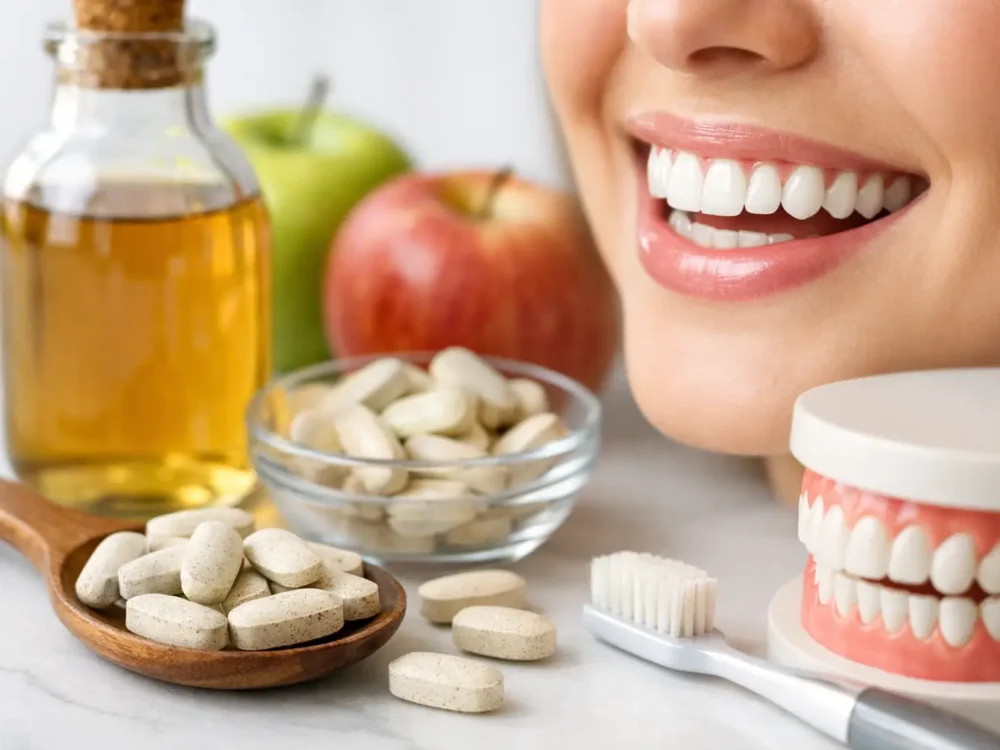
A convenient ACV routine should not come with an uncomfortable surprise at your next dental checkup. So, can ACV tablets affect teeth? They can, depending on the product’s acids, how it is taken, how often it is used, and your individual mouth health. The key point is simple: a tablet may be easier on teeth than repeatedly sipping diluted vinegar, but “tablet” does not automatically mean “zero dental risk.”
Apple cider vinegar contains acetic acid. Acid can temporarily soften tooth enamel, the protective outer layer of teeth. Enamel does not grow back once it has been lost, so the goal is not to fear every acidic food or supplement. It is to reduce unnecessary, repeated acid exposure while keeping a practical wellness routine.
Can ACV Tablets Affect Teeth? The Short Answer
ACV tablets can affect teeth if they create a sufficiently acidic environment in the mouth or are used in a way that prolongs contact with teeth. This is most relevant with chewable, dissolvable, or effervescent formats, as well as tablets that are allowed to sit on the tongue or taken frequently throughout the day.
A standard swallowable tablet or capsule moves through the mouth quickly, which may limit direct contact compared with drinking vinegar slowly over 20 minutes. However, the full formula still matters. Some products include acids for flavor or effervescence, while others may contain sugars or sticky ingredients that can add a cavity concern when oral hygiene is inconsistent.
The format is only one piece of the equation. Your saliva flow, existing enamel wear, history of cavities, brushing habits, and overall intake of acidic drinks all influence the real-world impact.
Why Acid Exposure Matters for Enamel
Enamel is remarkably strong, but it is vulnerable to frequent acid attacks. When the pH in the mouth drops, minerals can temporarily leave the enamel surface. Saliva gradually helps restore balance by washing away acids and supplying minerals. Problems are more likely when acidic exposure happens too often for saliva to do its job.
That is why frequency can matter more than a single serving. Taking an acidic supplement once with a meal is different from sipping acidic beverages all day, chewing sour candies, drinking sports drinks after workouts, and then using an ACV effervescent late at night.
Signs of enamel erosion can include increased sensitivity to cold or sweet foods, teeth that look more translucent around the edges, rough or shiny-looking surfaces, and yellowing as the layer beneath enamel becomes more visible. These signs can have several causes, so persistent sensitivity or visible changes deserve a conversation with a dentist.
Effervescent, Chewable, and Swallowable Formats Are Not Identical
Effervescent ACV tablets are designed to dissolve in water. Used as directed, they create a drink rather than sitting directly against the teeth as a chewable product would. That can be a practical, enjoyable format for people who dislike the sharp taste of liquid vinegar. Still, the resulting drink may be acidic, particularly if it contains citric acid or other acidulants alongside ACV.
Chewable tablets may expose teeth to acids and sweeteners for longer because they are held and broken down in the mouth. If a product is specifically labeled chewable, follow its directions, then rinse with plain water afterward.
Swallowable tablets and capsules generally offer the least direct tooth contact when swallowed promptly with water. They are not necessarily the right choice for everyone, especially if swallowing pills is difficult, but they may be worth considering for people with known enamel erosion or dental sensitivity.
How to Take ACV Tablets With Teeth in Mind
A few small habits can make an ACV routine more tooth-conscious without turning it into a complicated regimen. Take the product exactly as its label directs, preferably with a meal unless the instructions say otherwise. Meals stimulate saliva and reduce the tendency to repeatedly expose teeth to acidic drinks between meals.
If you use an effervescent tablet, dissolve it fully in the recommended amount of water. Drink it in one reasonably timely sitting rather than nursing it at your desk for an hour. A straw may reduce contact with front teeth for acidic beverages, although it is not a free pass to consume acidic drinks constantly.
Afterward, drink or rinse with plain water. This helps clear residual acid from the mouth. Avoid swishing the ACV drink around, holding it in your mouth, or taking it immediately before bed, when saliva flow naturally drops.
One detail surprises many people: do not brush immediately after acidic drinks or supplements. The enamel surface may be temporarily softened, and aggressive brushing right away can increase wear. Wait about 30 minutes before brushing, then use a soft-bristled toothbrush and fluoride toothpaste.
For a simple routine, keep these four habits consistent:
- Take ACV products with food when label directions allow.
- Fully dissolve effervescent tablets in water and drink them without prolonged sipping.
- Rinse with plain water afterward.
- Wait around 30 minutes before brushing your teeth.
Who Should Be Extra Careful?
People with frequent tooth sensitivity, diagnosed enamel erosion, dry mouth, gum recession, cavities, or a history of acid reflux should be more cautious. Reflux can expose teeth to stomach acid, so adding regular dietary acids may compound an existing concern. Dry mouth also reduces saliva’s protective role.
This does not automatically mean ACV tablets are off limits. It means the decision should be individualized. A dentist can assess enamel wear and sensitivity, while a physician or pharmacist can help review whether ACV supplements fit your health needs and medications.
Children and teens also need special consideration because developing teeth can be more vulnerable to dietary patterns that promote erosion or decay. Supplements should not be treated as a substitute for balanced meals, hydration, or routine dental care.
Check the Full Label, Not Just “ACV”
A clean, convenient supplement format can support consistency, but smart shopping means reading beyond the front label. Look at whether the tablet is swallowable, chewable, or effervescent, and check the serving directions. Review the ingredient panel for acids, added sugars, and other components that may affect both flavor and dental exposure.
For wellness shoppers who prefer effervescents, convenience is a real advantage: portioned servings, no measuring, and a more approachable experience than straight vinegar. The trade-off is that a pleasant, fizzy drink can be easy to sip slowly. Use it intentionally as part of a meal or planned routine, not as an all-day beverage.
Sterling Nutrition’s approach to modern wellness formats reflects a useful principle: convenience can make healthy routines easier to maintain, but good routines still depend on how you use the product. Purity cues and simple ingredients matter, yet dental-friendly habits matter too.
When to Pause and Ask Your Dentist
Stop or reconsider your routine if you notice worsening sensitivity, pain when eating cold foods, new roughness on teeth, or irritation in your mouth. Those symptoms do not prove ACV is the cause, but they are worth checking instead of pushing through.
Bring the supplement label to your dental appointment if you have questions. A dentist can offer advice based on your enamel, restorations, gum health, and risk of cavities, rather than relying on a one-size-fits-all rule online.
ACV tablets can fit a balanced wellness routine for many adults, especially when convenience helps support consistency. Treat them like any acidic product: use the recommended serving, avoid prolonged contact with teeth, drink water afterward, and let your daily habits protect the smile you are working hard to maintain.